




Casting Is the First Edit
Long before a single frame is shot, the story is already being written. The casting process isn't just about finding skilled contestants; it's about populating a world with specific character archetypes. Producers and network representatives are looking
for a cast that, when combined, will naturally create conflict and compelling drama. They identify potential heroes, villains, love interests, and comic relief. These aren't scripts, but they are roles. By selecting individuals with big personalities, conflicting backgrounds, or inherent vulnerabilities, producers stack the deck for a dramatic season. The game begins not on day one of filming, but in the casting director's office, ensuring the raw materials for a captivating narrative are ready and waiting.
Crafting Arcs and 'Frankenbiting'
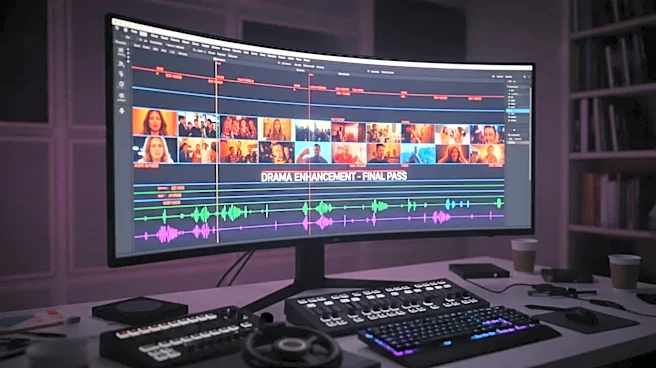
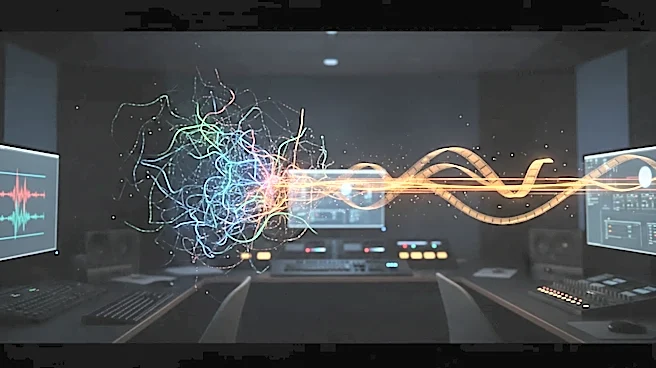
With thousands of hours of footage, editors and story producers—sometimes called "preditors"—become the show's primary storytellers. They comb through footage to build narrative arcs, transforming real people into characters on a journey. A key, if controversial, tool in their arsenal is the "frankenbite." This technique involves stitching together words and phrases from separate interviews or conversations to create a new, clean sentence. While it sounds deceptive, it's often used to make a contestant's point more concise or to clarify a rambling thought for the audience. However, it can also be used to create drama or alter the audience's perception of a person, walking a fine ethical line. A contestant might say something benign that, through clever audio splicing, sounds like a direct attack on a rival.
The Power of Music and Reaction Shots
The most potent editing tools are often the most subtle. The choice of music is critical; a suspenseful score can turn a mundane conversation into a high-stakes negotiation, while a light, quirky track can signal a moment of levity. Editors are masters of what's called "making a meal out of it"—stretching a moment for maximum impact. This is where the reaction shot reigns supreme. Did a contestant really roll their eyes after that specific comment? Maybe, or maybe that reaction was filmed hours earlier in a completely different context. By cutting to a specific facial expression, editors can assign emotion and meaning to an event, guiding the viewer's interpretation without fabricating the event itself. This creates the cliffhangers and misdirection that keep viewers hooked episode after episode.
The Unspoken Contract with the Viewer
So why don't we feel cheated? The relationship between a reality show and its audience is built on a kind of unspoken contract. Viewers understand that they are not watching raw, unmediated reality. They accept that the footage is constructed to tell a story in the most entertaining way possible. The trust is maintained as long as the show doesn't fundamentally misrepresent the core events or a person's character in a damaging way. There's a difference between editing for clarity and drama versus outright faking an event. When a show suggests something happened that absolutely did not, as was claimed on a past season of "Joe Millionaire," that trust is broken. As audiences become more media-savvy, producers are increasingly aware that maintaining this trust is crucial for a show's long-term success.