

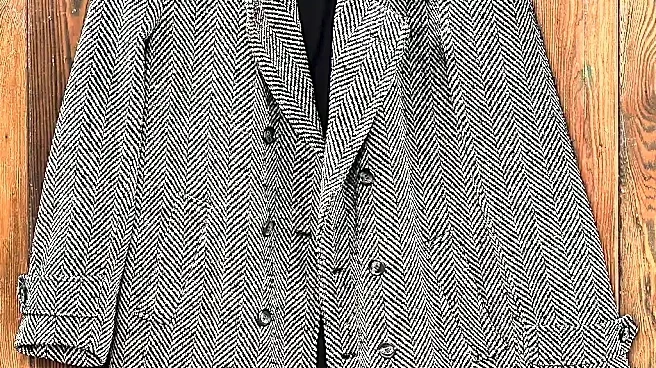

The Mid-Range Contender: Accessible and Authentic
A mid-range field jacket, typically priced from $200 to $500, offers the most direct connection to the garment's military roots. Brands like Alpha Industries, one of the original manufacturers of the M-65 for the U.S. military, deliver authentic styling
and practical functionality. The focus here is on value and durability. Expect a sturdy shell made from a cotton/nylon blend, designed to be wind- and water-resistant. The fit is often a bit more generous or 'classic,' reflecting the original design that allowed soldiers to layer underneath. Features like a concealed hood, four large front pockets, and adjustable drawstrings at the waist and hem are standard. While the materials may not be luxurious, they are proven and reliable, making the mid-range jacket a perfect daily driver that looks better with age.
The Premium Proposition: Refinement and Luxury
Step into the premium category—think brands like Private White V.C. or Tom Ford, where prices can easily exceed $1,000—and the jacket transforms from a tool into an object of luxury. While the silhouette is familiar, every single component is elevated. The focus shifts from pure utility to a blend of performance, comfort, and artisanal craftsmanship. The experience is tactile; the fabrics feel softer, the hardware operates more smoothly, and the fit is more considered and tailored. These jackets aren't just about weathering a storm; they're about doing it with an unparalleled sense of style and quality. They're often seen as investment pieces intended to last a lifetime and be passed down.
Fabric: From Sturdy Twill to Technical Textiles
The most significant difference lies in the fabric. A mid-range jacket typically uses a robust cotton sateen or a 50/50 nylon-cotton (NyCo) blend that balances durability with comfort. It’s tough and does the job well. Premium brands, however, explore a world of advanced and luxurious materials. You might find jackets made from Ventile, a densely woven cotton that’s naturally waterproof and highly breathable, or waxed cotton from legendary mills like British Millerain. Others incorporate technical membranes for superior weatherproofing or use ultra-soft, garment-dyed fabrics that provide a richer color and feel from the first wear. Linings also get an upgrade, moving from a basic cotton/poly blend to brushed cotton flannel, wool, or even cashmere.
Hardware: The Feel of Quality
You can often feel the price difference in the hardware. A mid-range jacket will likely feature reliable, mass-produced zippers from a brand like YKK, along with standard-issue plastic buttons or basic metal snaps. They are perfectly functional. A premium jacket, in contrast, makes hardware a design statement. You’ll find military-grade copper zippers from Swiss maker Riri, known for their substantial feel and smooth action. Buttons might be carved from real horn or corozo, and snaps will have a satisfying, definitive click. These small details might seem minor, but they contribute significantly to the garment's overall feel of quality and durability during everyday use.
Construction and Fit: From Factory to Atelier
Construction quality at the mid-range level is typically solid, with clean seams and durable stitching designed for longevity. The fit, however, often adheres to the original, more voluminous M-65 military spec. Premium field jackets showcase a higher level of sartorial skill. The construction is superlative, with a focus on details that enhance both form and function. You'll see more complex patterns for a better-draped silhouette, cleaner internal finishing, and a fit that is often more tailored and modern. These jackets are designed not just to be worn, but to be worn well, moving with the body and creating a sharper profile than their more utilitarian counterparts. The attention to cut and tailoring is a key reason for the higher cost.