

More Than a Dress, It's a Viral Asset
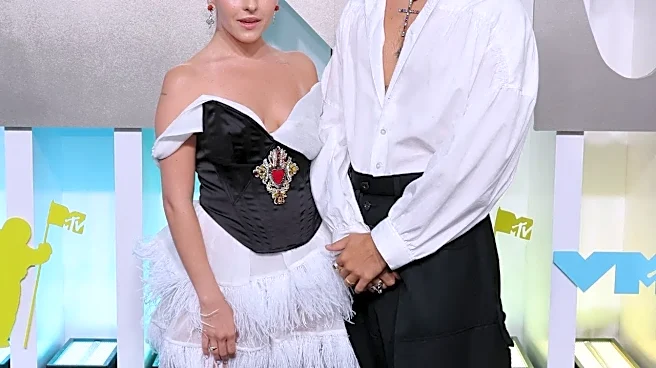
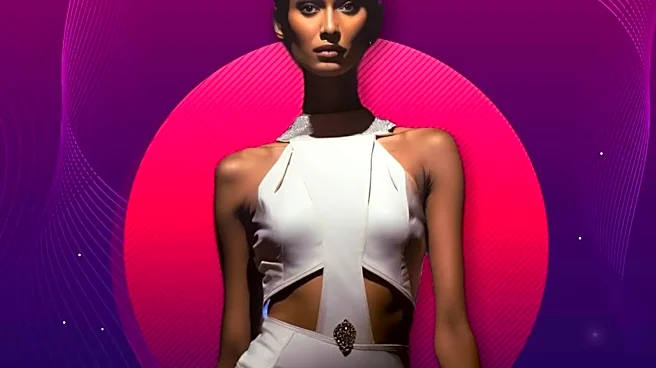
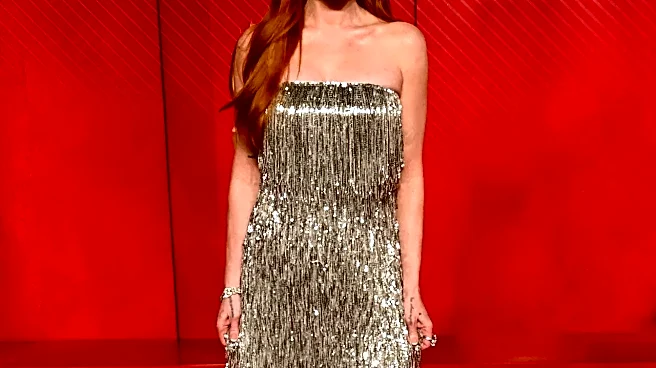
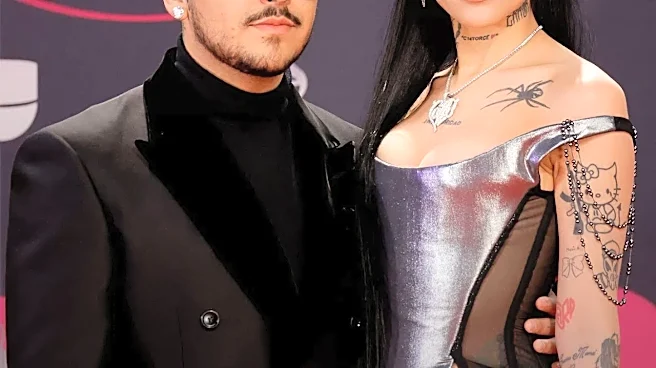
The VMAs have always been fashion's playground for rebellion, a place where risk is rewarded. Unlike the refined glamour of the Oscars, the VMAs thrive on spectacle. For fashion houses, this is a golden opportunity. A custom gown for an artist like Sabrina
Carpenter or a bold look on Doja Cat isn't just for the photographers on the red carpet; it's designed to be screenshotted, shared, and memed across TikTok and Instagram. The goal is to create a digital echo that lasts for days, generating millions of dollars in media value from a single appearance. When a look goes viral, the brand becomes part of a cultural conversation, reaching Gen Z audiences on the platforms where they spend their time. It's less about selling that specific couture dress and more about embedding the brand's name into the pop culture zeitgeist.
The Art of the Perfect Match
Choosing the right celebrity is a strategic art form. It's not always about the biggest name, but the right cultural fit. A brand's team analyzes an artist's audience, their personal brand, and their potential for creating a buzz-worthy moment. For example, a legacy brand like Valentino might partner with a rising, edgy star like Sabrina Carpenter to signal a fresh, modern identity. Similarly, when Tyla reworked archival Chanel for the red carpet, it framed the historic brand with a Gen Z-approved confidence. These partnerships are carefully curated to feel authentic to both the star and the brand. Gen Z is highly attuned to authenticity and can spot a forced collaboration from a mile away. Success hinges on a pairing that feels like a genuine expression of style, not just a paid endorsement.
The Halo Effect: From Couture to Counter
No one expects the average VMA viewer to go out and buy a multi-thousand-dollar custom gown. That's not the point. The strategy is to create a 'halo effect.' A show-stopping couture moment builds immense brand awareness and aspiration. That cultural heat is then leveraged to sell more accessible products: fragrances, sunglasses, cosmetics, or a pair of sneakers. The wild VMA dress acts as a top-of-funnel advertisement for the entire brand ecosystem. When a celebrity has a major VMA moment, searches for the brand spike, as does social media engagement. That newfound attention can translate directly into sales for items at a much lower price point, effectively subsidizing the high cost of the red carpet spectacle.
Playing the Long Game of Cultural Relevance
For fashion houses, the VMAs are an investment in future customers. By aligning with the music and artists that define youth culture, they are building brand loyalty with a generation that is just beginning to develop its purchasing power. Memorable VMA moments—from Lil' Kim's purple jumpsuit in 1999 to Lady Gaga's meat dress in 2010—become part of pop culture history. Brands that are part of these moments become woven into the cultural fabric. This is a long-term play. By appearing on the VMA red carpet, a luxury brand isn't just selling a product; it's making a statement that it understands and belongs in the world of young, engaged consumers. It's a high-stakes, high-reward move to ensure they are still relevant in the decades to come.