





The Gospel of All-White
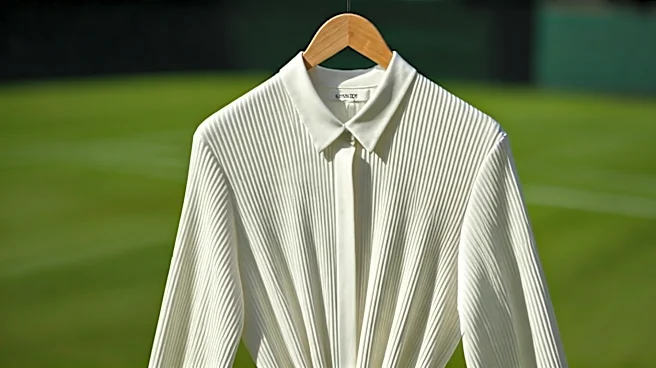
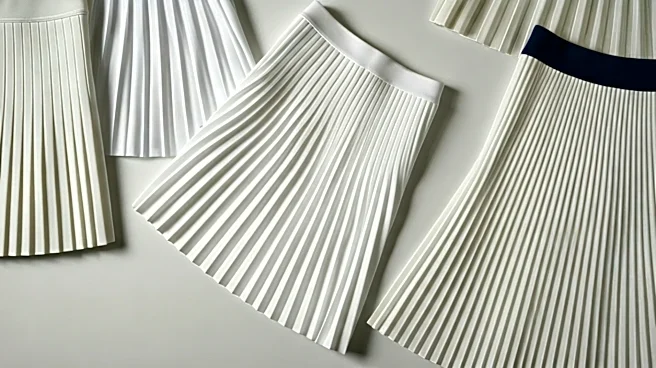
To understand the footwear, you have to understand the dress code. The tradition of “tennis whites” dates back to the 1870s and 80s, when the sight of sweat was considered shockingly improper, especially on women. White clothing, it was reasoned, would
minimize the appearance of unsightly perspiration. What began as a Victorian-era solution for propriety became Wimbledon’s defining aesthetic. The All England Club has only gotten stricter over the years, specifying that “almost entirely white” means just that—no off-white or cream allowed. This rule applies to everything from headbands to the soles of shoes, a point famously enforced against Roger Federer in 2013 for his orange-soled sneakers. This deep-rooted tradition sets the stage for every fashion choice made within the hallowed grounds.
Enter the Plimsoll
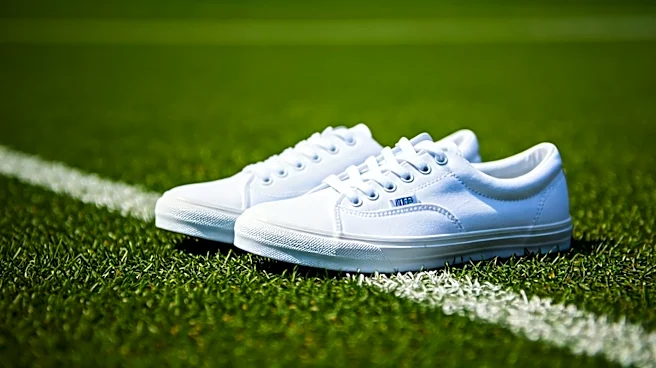
Long before billion-dollar sneaker endorsements and high-tech air cushioning, there was the plimsoll. In the late 19th century, a new invention—vulcanized rubber—was fused to a simple canvas upper, creating a lightweight, affordable shoe. Initially called “sand shoes” and worn by vacationers, they were soon adopted for sports like tennis and croquet. Their quiet rubber soles earned them the American nickname “sneakers,” because one could literally “sneak up” on someone. These early shoes, produced by companies like the U.S. Rubber Company and Britain's Liverpool Rubber Company, were the genesis of the athletic shoe. They were functional, simple, and crucially for tennis, their soft soles didn’t damage the grass courts. This was the original performance footwear, born of practicality, not hype.
The Rise of Court Classics
As tennis grew in popularity, so did the shoes. In the 1930s, brands began creating specialized tennis footwear that would become enduring classics. Dunlop’s Green Flash, a simple canvas plimsoll, was famously worn by Fred Perry for his triple Wimbledon victories from 1934 to 1936, cementing its place in British culture. Across the channel, the French brand Spring Court launched its G2 canvas shoe in 1936, designed specifically for clay courts with patented ventilation holes in the midsole. These shoes reigned on courts for decades before being adopted by counter-culture icons like John Lennon, who famously wore a pair on the Abbey Road album cover. Later, in 1967, the Swedish brand Tretorn introduced the Nylite, dubbed the world’s first “luxury” tennis sneaker, which became a favorite of stars like Björn Borg and a staple of preppy style.
A Modern Statement of Understated Style
In an era of neon, high-tech athletic gear, the humble white canvas sneaker has found a new role at Wimbledon, particularly among the spectators. While players wear the latest from Nike and Adidas, the discerning dresser in the stands often opts for a heritage look. Wearing a pair of Tretorns, Spring Courts, or classic plimsolls is a nod to the tournament's history. It's an sartorial choice that aligns with the prevailing “quiet luxury” trend, which favors minimalist designs, neutral colors, and a lack of overt branding. For the crowd at Wimbledon, where smart-casual is the unwritten rule, these low-profile sneakers strike the perfect balance between relaxed comfort and polished sophistication. It signals an understanding of the event's deep traditions—a quiet acknowledgment that at Wimbledon, style isn't about being the loudest, but about fitting in perfectly.