





The 60% Rule in Focus
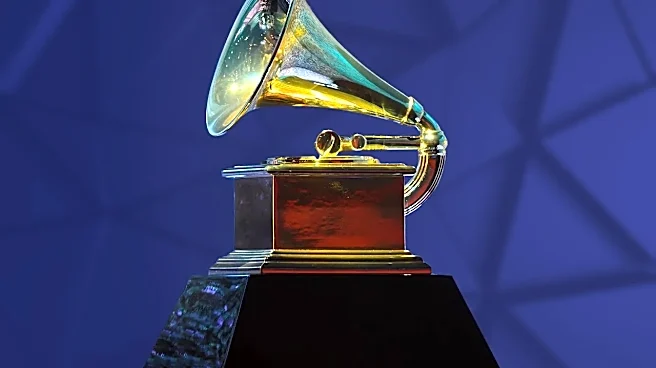
For many creators aiming for one of the music industry’s most prestigious awards, success can come down to simple math. The Latin Recording Academy has long stipulated a language requirement for many of its key categories. For a song to be eligible for awards like
Song of the Year or Best Pop Song, it must contain at least 60% of its lyrics in Spanish or Portuguese. This rule has existed in slightly different forms over the years, sometimes at 51% and sometimes at 60%, but the principle remains the same: a song must be 'majority Latin language' to qualify in most vocal categories. This isn't just a bureaucratic detail; it's a gatekeeping mechanism that directly impacts artists who naturally blend English with Spanish or Portuguese in their work, a common practice in modern pop, urban, and hip-hop genres.
The Challenge for Bilingual Creators
Imagine writing a chorus with a killer English hook that you know will connect with a global audience, only to realize it pushes your song below the 60% threshold. This is the reality for countless bilingual songwriters. They are forced to perform 'lyrical calculus', sometimes altering their artistic vision to meet award eligibility criteria. For genres like reggaetón and Latin trap, which have historically fused Caribbean and U.S. hip-hop influences, this rule can feel particularly restrictive. While the Latin Grammys were founded to celebrate music excluded by the mainstream Grammys, some artists feel these same rules now sideline the very creators driving Latin music's global explosion. The success of artists who move fluidly between languages on their albums highlights a growing disconnect between the rules and the reality of the market.
Why No Major Change for 2026?
Despite ongoing evolution in the music world, the core language requirements for major song categories are holding firm for the 2026 awards. The Latin Recording Academy announced several updates for 2026, including new rules around AI, producer credits, and changes to instrumental and singer-songwriter categories. However, the 60% mandate for top song categories remains a key part of the process. The Academy's mission is to honor and elevate music performed in Spanish and Portuguese, and from their perspective, this rule preserves the fundamental identity of the awards. It ensures that the focus remains on celebrating the richness of Ibero-American languages and dialects, preventing the awards from becoming a reflection of the English-dominant global pop market.
The Bigger Picture: Defining 'Latin Music'
The persistence of the 60% rule speaks to a larger, more complex debate: What defines 'Latin music' today? Is it defined strictly by language, by geography, by rhythm, or by cultural identity? This question has been at the center of controversies for years, such as when Spanish artist Rosalía has swept major awards, sparking debate over whether European artists should dominate an event celebrating Latin American culture. For bilingual songwriters, the rule isn't just about winning a trophy. It's about recognition and a sense of belonging. As the lines continue to blur and Spanglish tracks top charts worldwide, the pressure will likely continue to mount on the Academy to reconsider how it defines the music it was created to celebrate. Until then, songwriters will have to keep a calculator handy as they chase both creative authenticity and industry acclaim.