








The Undeniable Comfort of Low Stakes
First, let's dismantle the idea that all leisure time must be productive. Not every show you watch needs to be an Emmy-winning, timeline-hopping, philosophical treatise on the human condition. Sometimes, your brain just needs a break. Psychologists often
refer to this as escapism, and it's a perfectly healthy coping mechanism. Watching a reality competition or a sudsy docu-soap provides a mental palate cleanser. The stakes, while presented as life-or-death by a dramatic musical score, are ultimately low. Who gets the final rose or which aspiring chef gets sent home is a problem that requires zero emotional labor from you. It’s a form of mental relaxation, allowing your brain to switch off from your own stressors and passively observe someone else's manufactured drama. In a world of constant high alerts, political turmoil, and economic anxiety, the low-stakes world of trash TV isn’t just an escape; it’s a necessary pressure valve.
Why Cable TV Still Hits Different
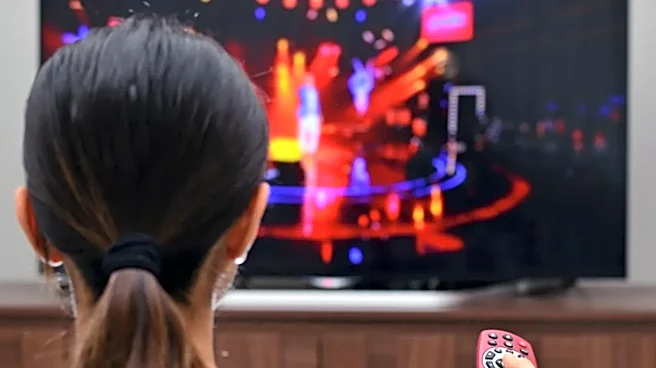
In the on-demand paradise of streaming, there’s something special about the ritual of cable. The 2026 television landscape is dominated by choice, but that choice can be paralyzing. Cable TV, with its rigid schedule, removes the burden of decision. The show is on at 9 p.m. on Tuesday, and that’s that. This creates a unique, shared cultural experience. You know that thousands, maybe millions, of other people are watching the same dramatic fight or ridiculous challenge unfold in real time. This linear format fuels immediate social media discourse, group chats, and the next day's water-cooler conversation. It transforms a solitary viewing into a communal event. Unlike a solo binge-watch, where you surface hours later to a world that has moved on, week-to-week cable viewing builds anticipation and community. It’s the modern equivalent of gathering around the radio, and in our increasingly fragmented media world, that shared experience is more valuable than ever.
A Funhouse Mirror to Our Culture
Dismissing reality television as pure “trash” ignores its role as a cultural artifact. These shows, however absurd, often serve as a funhouse mirror reflecting our society's values, anxieties, and obsessions. They are living documents of what we, as a culture, deem important—whether that's fame, romantic ideals, or entrepreneurial success. Sociologists argue that by watching these dynamics play out, we engage in a form of social comparison and values exploration. We see contestants grapple with loyalty, betrayal, and competition, and it prompts us to consider what we might do in their shoes. Even the most contrived scenarios can spark genuine conversations about social norms, gender roles, and what constitutes fairness. These programs act as an accessible, if dramatized, entry point into conversations about our shared social world.
Permission to Just Be Entertained
The term “guilty pleasure” itself is the real problem. It’s rooted in the pervasive idea that our free time must be optimized for self-improvement. We’re supposed to be learning a new skill, listening to an educational podcast, or consuming “important” art. Anything that is simply for fun, relaxation, or mindless entertainment gets branded with guilt. It’s time to reject that notion entirely. Enjoying something that brings you joy, however silly, is not a moral failing; it's a form of self-care. Reality TV provides companionship without cost and entertainment without effort. It allows your mind to rest and recharge after a day of making high-stakes decisions. So the next time you find yourself flipping to a channel showing people you’ve never met living their most dramatic lives, don’t reach for the remote in shame. Lean back and enjoy it. You’re not rotting your brain; you’re giving it a well-deserved vacation.