





The Core Product: Pure Sporting Drama
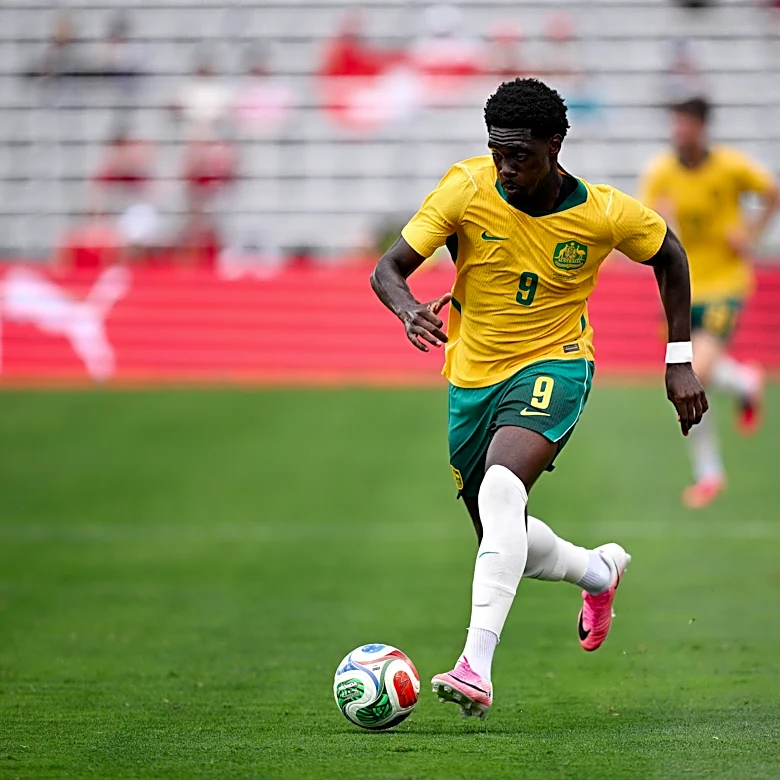
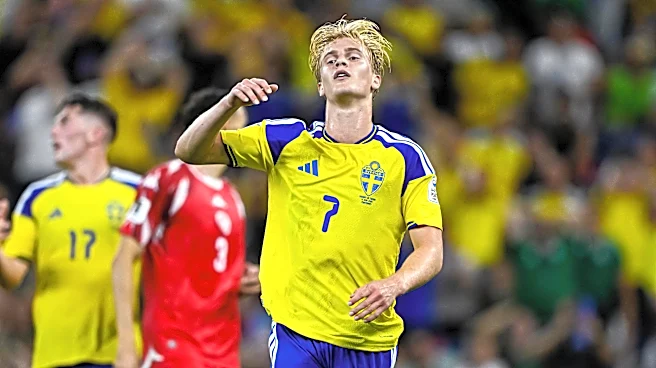
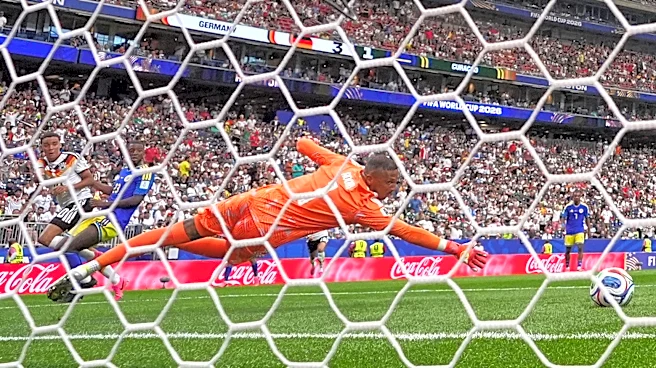
Before any money is made or any flights are booked, there is the game. The foundation of any major soccer cup is the primal, unscripted drama of international competition. This isn’t just a series of matches; it’s a narrative of national pride, underdog
triumphs, and devastating heartbreaks played out for a global audience of billions. The on-field action—a last-minute goal, a stunning upset, the brilliance of a star player—is the raw material that gives the entire event its value. Without the genuine passion generated by the sport itself, there would be no reason for anyone to watch, travel, or invest. This emotional core is what separates it from a simple trade show or music festival. The sporting stakes are real, and that authenticity is the magnetic force pulling everything else into its orbit.
The Tourism Engine: A Global Invitation
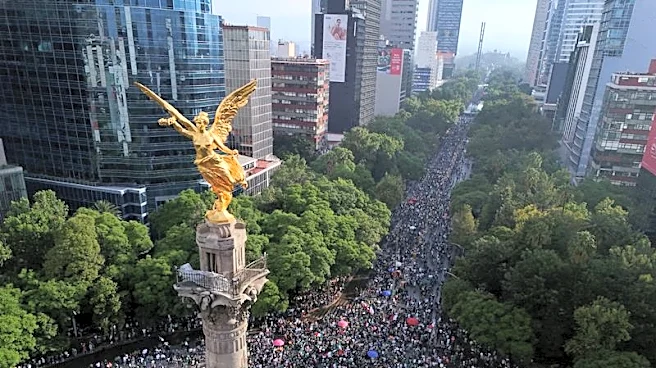
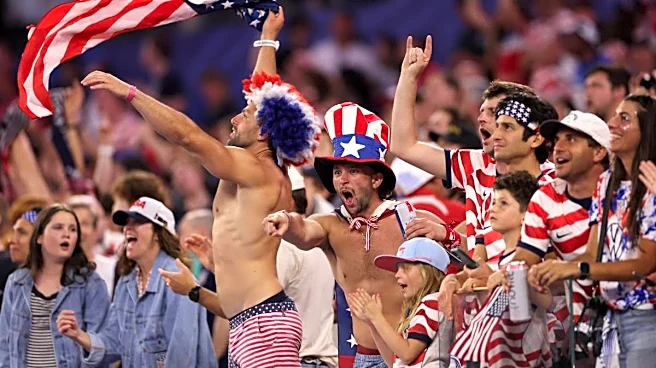
Once the drama is established, the people follow. A World Cup or Euros isn't just hosted in a stadium; it’s hosted by an entire nation, which effectively sends a month-long invitation to the world. Hundreds of thousands of fans descend on host cities, transforming them into vibrant, multicultural hubs. This is tourism on an entirely different scale. It’s not just about visiting landmarks; it’s about participating in a global moment. Cities invest heavily in fan zones, public transportation, and security to manage the influx. For fans, it's a pilgrimage to support their team and soak in the atmosphere. For the host country, it’s an unparalleled “soft power” opportunity—a chance to showcase its culture, hospitality, and infrastructure on a global stage. The images of Japanese fans cleaning stadiums in 2022 or the party atmosphere in Germany in 2006 did more for national branding than any ad campaign ever could. Every painted face and crowded public square is a testament to the tournament's power as a tourism driver.
The Business Machine: A Multi-Billion-Dollar Enterprise
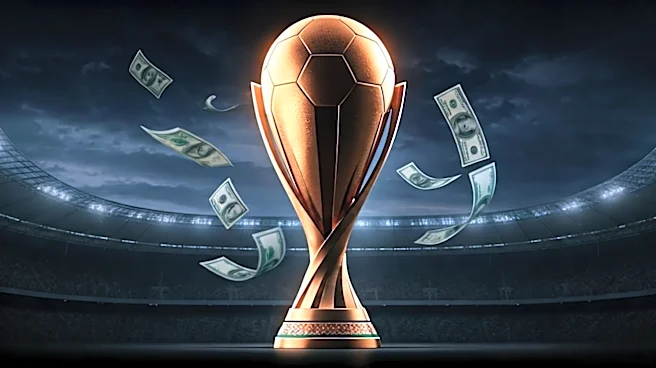
The passion and the people create a massive commercial opportunity, and the business of the beautiful game is staggering. The entire spectacle is underwritten by a complex financial superstructure. The largest revenue stream is broadcasting rights, with networks paying billions to air the matches to their domestic audiences. Then come the corporate sponsors. Global brands like Coca-Cola, Visa, and Adidas pay fortunes to be official partners, plastering their logos on everything from stadium banners to the players' kits. This creates a halo effect, associating their products with the excitement and unity of the tournament. Furthermore, host nations often undertake massive infrastructure projects—new stadiums, airports, and hotels—representing enormous long-term investments. For the governing body, like FIFA, a single World Cup can generate over $7.5 billion in revenue, funding its operations and development programs around the world for the next four years. It's a high-stakes corporate endeavor disguised as a sporting event.
The Flywheel Effect: How They Fuel Each Other
The magic of a major soccer cup lies in how these three elements don't just coexist but actively amplify one another. The incredible on-field sport creates a captive global audience. That audience becomes a target for corporations and a reason for fans to travel. The influx of tourism generates revenue for local businesses and creates a vibrant, camera-ready atmosphere, which makes the TV broadcast even more compelling. The sponsorship and broadcast money is then funneled back into football's governing bodies, which use it to stage an even bigger, more spectacular tournament the next time around. It's a self-perpetuating cycle: the sport provides the soul, the tourism provides the atmosphere, and the business provides the means. Each component is essential to making the event the global phenomenon it is.