




The Spectacle Is the Point
In the world of Panem, the Hunger Games exist for one reason: to reinforce the Capitol's dominance through spectacle. The annual event is not just punishment; it's a mandatory TV event, designed to mesmerize and intimidate. Sound familiar? Turn on any
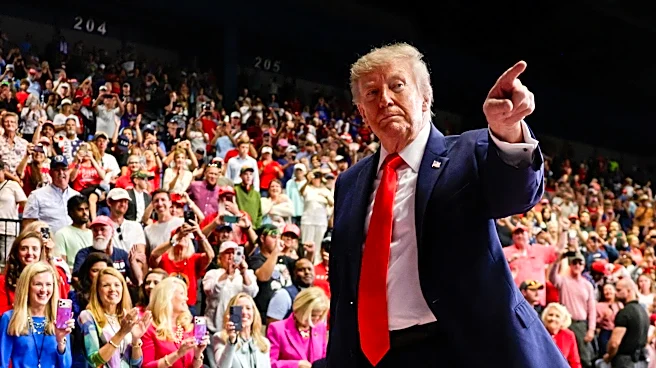
cable news channel or scroll through social media, and you'll find politics presented not as a deliberative process, but as a zero-sum deathmatch. Debates are framed as prize fights, policy disagreements become blood feuds, and every news cycle needs a winner and a loser. This isn't about finding common ground; it's about generating drama, rallying the base, and dominating the conversation. The performance is designed to provoke an emotional response, making it hard to look away, even when the substance is entirely missing.
Choosing Our Champions
Every Hunger Games tribute needs a narrative. Are they the star-crossed lover, the ruthless warrior, or the cunning underdog? The same character-casting happens in Washington. We are encouraged to see politicians less as public servants and more as champions to root for. We pick our 'team'—Democrat or Republican—and defend them with the loyalty of a sports fan. Their victories feel like our victories, and their losses feel personal. The media, acting as the Gamemakers, helps craft these personas, focusing on soundbites and personality clashes rather than policy details. This 'sportification' of politics encourages us to value winning over everything else, even if it means cheering for tactics that undermine the very system we claim to care about.
The Media as Gamemakers
In 'The Hunger Games', the Gamemakers control the arena, throwing in fireballs and genetically engineered beasts to keep things 'interesting.' In our world, media outlets and tech algorithms play a similar role. They decide which stories get oxygen, which conflicts are amplified, and which voices are heard. Outrage drives engagement, so conflict is prioritized. Nuance is boring; showdowns are compelling. Former CNN president Jeff Zucker even admitted to modeling the network's 2016 election coverage on sports network ESPN, stating that 'the idea that politics is sport is undeniable'. This creates a feedback loop where politicians are rewarded for performative outrage, and the public is served a steady diet of spectacle that distracts from substantive issues.
Our Complicit Comfort
This is the most uncomfortable parallel of all. The citizens of the fictional Capitol watch the Games with a mix of horror and fascination, but always from a safe distance. For them, the violence is abstract entertainment, disconnected from their luxurious reality. They are the ultimate complicit spectators. As we watch political battles unfold on our screens, are we any different? For many, politics has become a spectator sport where we can boo the villains and cheer the heroes without ever leaving our couch. We tweet our outrage, post our memes, and feel like we're participating. Yet, the real-world consequences of these 'games'—policy decisions affecting healthcare, the environment, and human rights—are often felt most by those with the least power, the 'tributes' from the outlying districts. Our engagement becomes another form of consumption, a way to feel involved without bearing the risk.