


The Man They Called 'The Sound'
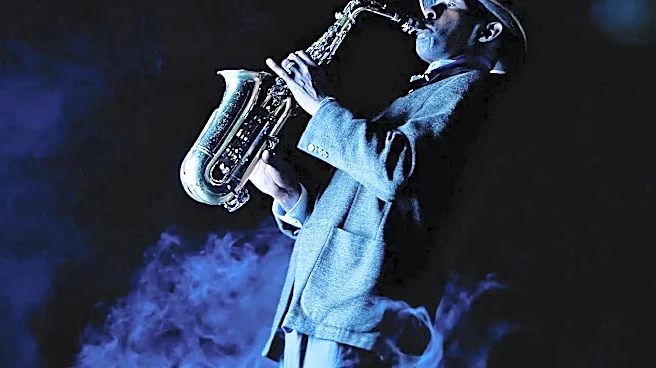
What does a saxophone sound like? To many, it sounds like Stan Getz. His tone was often described in lavish, sensory terms: pure musical ambrosia, blue velvet, melted chocolate. It was a sound that felt both effortless and deeply emotional, featherlight
but full of meaning. While other saxophonists of his era went for aggressive, hard-blowing styles, Getz leaned into a delicate, almost vocal quality. He could weave intricate, beautiful melodies that seemed to float above the rhythm section. Even his contemporary, the revolutionary John Coltrane, reportedly once said, "Let's face it, we'd all sound like Stan if we could." It wasn't just technical skill; it was an innate sense of melody and a tone that was as instantly recognizable as a famous singer's voice.
An Idol and a New Direction
No artist emerges from a vacuum, and Getz’s primary inspiration was clear: Lester Young. Known as "Prez," Young pioneered a cooler, more relaxed style of playing in the 1940s, a stark alternative to the muscular sounds that had dominated the tenor sax. Getz was captivated. He absorbed Young's light, airy approach and smooth phrasing, which became the foundation of his own music. But Getz wasn't just an imitator. He took Young's influence and refined it, creating a sound that was even purer and more lyrical. He broke away from simply copying his idol in the early 1950s to forge his own identity. He combined Young's coolness with a rich, romantic sensibility that was entirely his own, becoming a central figure in the West Coast “cool jazz” scene.
The Bossa Nova Wave
For many Americans, the introduction to Stan Getz came with a gentle Brazilian rhythm. In the early 1960s, Getz collaborated with guitarist Charlie Byrd on the album Jazz Samba, which included the hit song “Desafinado.” The album was a massive success, launching the bossa nova craze in the United States and revitalizing Getz's career. This new style—a fusion of cool jazz sensibilities with softer samba rhythms—was a perfect match for Getz's melodic grace. His most iconic work in the genre came with the 1964 album Getz/Gilberto, a collaboration with Brazilian legends João Gilberto and Antônio Carlos Jobim. A last-minute decision to have João's wife, Astrud Gilberto, sing on “The Girl from Ipanema” turned the song into a global phenomenon and one of the biggest hits of Getz's career.
More Than Just Notes
So what was the secret? The uncopyable element wasn't just his technique, his choice of notes, or even his legendary tone. It was the feeling behind it. Getz was a prodigy, joining Jack Teagarden's band at just 16, and played with a who's who of jazz giants like Benny Goodman and Woody Herman. His personal life was often turbulent, marked by struggles with addiction. Many critics and listeners believe this turmoil informed the vulnerable, yearning quality in his playing. His sound was romantic but never sentimental; it was the expression of a complex artist. He could play in any key, at any tempo, but his signature identity always shone through. This blend of flawless technique and raw, accessible emotion is what truly set him apart. Others have tried to imitate his tone, but the unique soul behind it remains his alone.