


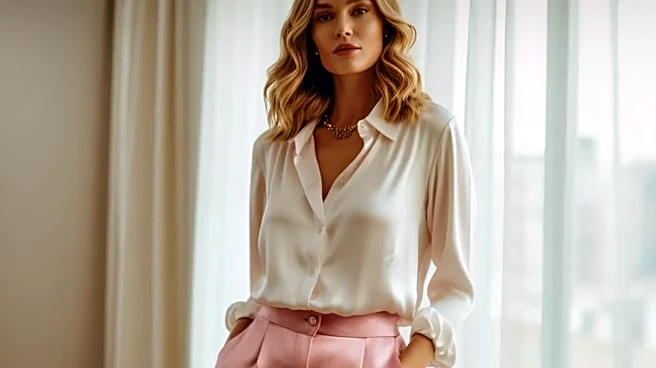
The idea of a monochrome outfit is timelessly chic, projecting effortless confidence. But many of us hesitate, fearing we'll look flat or like we're wearing a uniform. The secret isn't perfect matching; it's creating a story with one color.
Embrace the Color Family
First, let’s
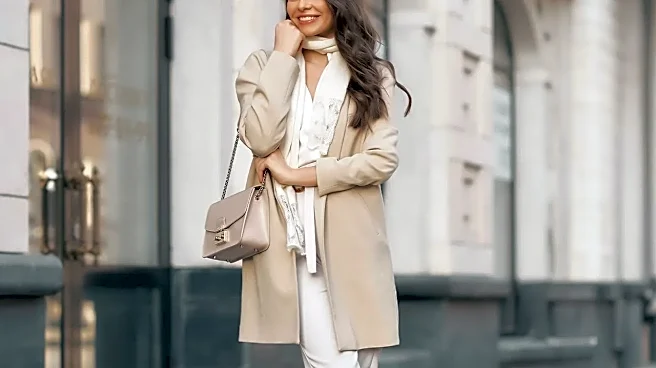
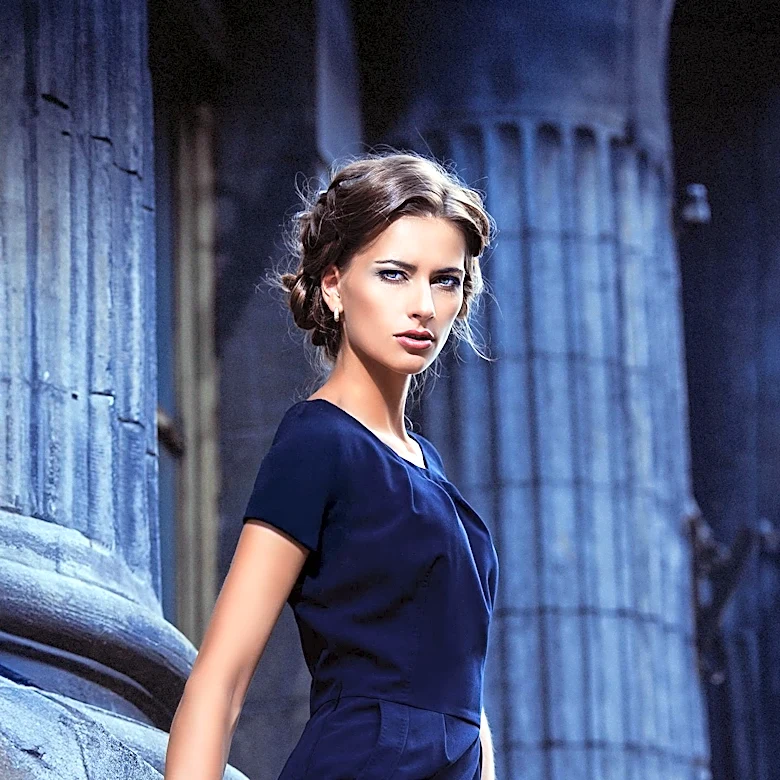
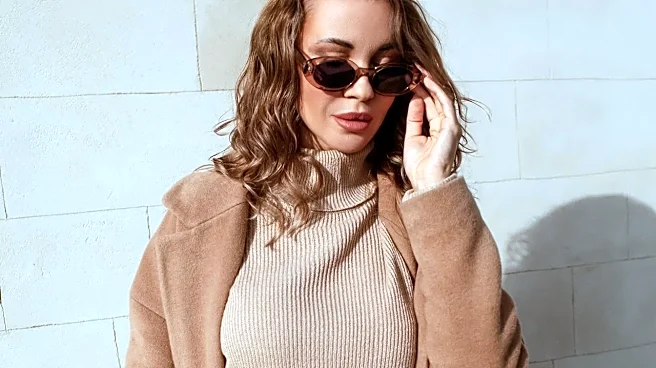
redefine 'monochrome.' Instead of thinking of it as one single color, think of it as a color family. This approach, often called tonal dressing, is about wearing multiple shades and tones of the same hue in a single outfit. An outfit built from cream, beige, and camel is just as monochromatic as one that's entirely navy. This subtle variation is what gives the look depth and sophistication. Rather than trying to find a sweater that's the exact same shade of blue as your trousers—an often-frustrating task—look for pieces that complement each other within the same family, like pairing sky blue with a darker navy. This creates a natural, cohesive gradient that is visually interesting and intentional.
Texture Is Your Secret Weapon
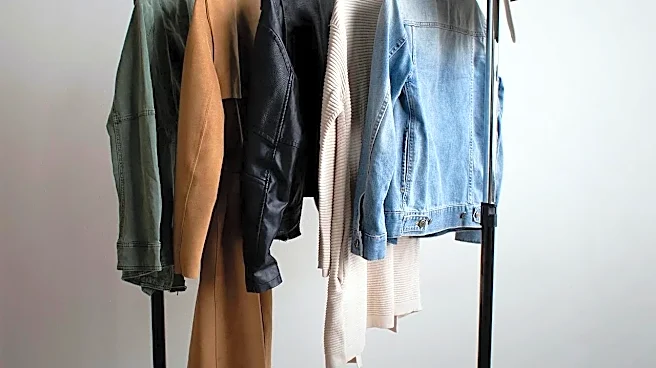
If you remember only one rule, make it this one: mix your textures. An outfit comprised of a single color in a single fabric can easily fall flat. Texture is what creates visual interest and dimension. By combining different materials, you make each piece distinct. Think of pairing a chunky knit sweater with a smooth silk skirt, tailored wool trousers with a soft cashmere top, or crisp denim with supple leather. Each material reflects light differently, making the single color family feel richer and more dynamic. This contrast prevents the outfit from looking like a uniform and instead makes it appear layered and thoughtfully curated.
Play with Proportions and Silhouette
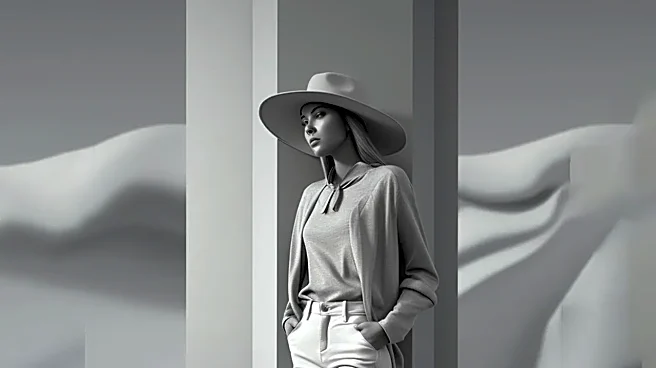
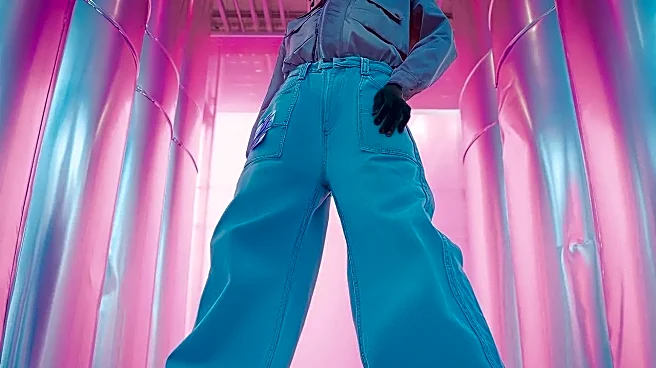
Dressing in one color family naturally creates a long, clean line that can be very flattering. However, paying attention to silhouette is crucial to avoid looking like a 'big blob' of color. Use proportions to create balance and shape. For example, if you're wearing an oversized, chunky sweater on top, pair it with slim-fitting trousers or a straight skirt to maintain a defined silhouette. Conversely, wide-leg pants often look best balanced with a more fitted top. Layering different lengths can also add complexity; a long coat over a shorter dress or a tailored blazer over a simple top adds structure and keeps the look from feeling static.
Accessorize with Intention
Accessories are the finishing touch that can either complete or complicate your monochrome look. The goal is to complement, not compete. You have two main strategies here. The first is to continue the tonal story. A camel outfit can be beautifully anchored by a slightly darker chocolate brown bag or belt. The key is to stay within the same color family, perhaps choosing an accessory with a different finish, like patent leather or suede, for another layer of texture. The second option is to use an accessory for a single, deliberate pop of contrast—think a bold red bag with an all-navy outfit or classic silver jewelry against an all-black ensemble. Just be careful not to overdo it; the power of monochrome lies in its simplicity.