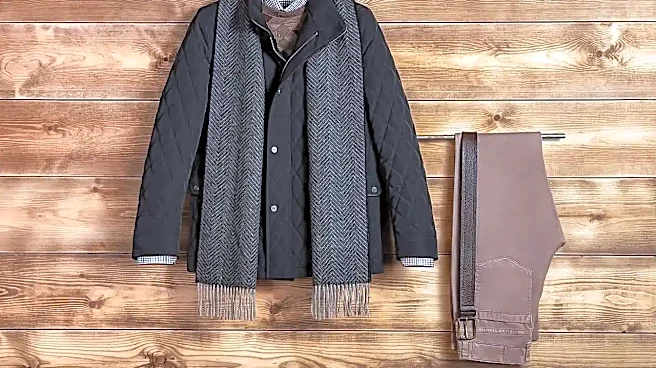







It’s a pattern you know by sight: a rhythmic zigzag that adds quiet confidence to a wool blazer or a favorite winter coat. But herringbone is more than just a handsome design; it’s a piece of history woven right into the fabric.
An Unmistakable Resemblance
The name 'herringbone'
is delightfully literal. The pattern, with its distinct V-shapes arranged in alternating columns, bears a strong resemblance to the bone structure of a herring fish. It's a 'broken twill' weave, where the diagonal direction of the fabric's weave is reversed at regular intervals, creating the signature zigzag that distinguishes it from a standard, continuous diagonal twill. From a distance, the effect can appear as a solid, textured surface, but up close, the intricate V-shaped pattern reveals itself, adding depth and character.
From Roman Roads to Savile Row
Long before it graced the shoulders of movie stars and executives, the herringbone pattern was a marvel of engineering. The ancient Romans used the interlocking V-shape, which they called 'opus spicatum' or 'spiked work', to construct incredibly durable roads. The pattern distributed weight and absorbed pressure, creating stable, long-lasting pavement. Evidence of this structural ingenuity has been found across the Roman Empire. The pattern's journey into textiles is just as ancient, with early examples found in Italy and Ireland dating back thousands of years. However, it was its adoption by British and Irish weavers for tweed and wool garments that cemented its place in fashion, becoming a hallmark of country wear and classic tailoring.
The Perfect Weave for Winter
Herringbone isn’t just a winter favorite for its looks; its structure is perfectly suited for colder weather. The interlocking nature of the broken twill weave makes the fabric exceptionally durable and resilient. It’s less prone to snagging and holds its shape well, which is why it has long been a go-to for hard-wearing items like hunting jackets and military uniforms. When applied to thick materials like wool or tweed, the weave creates a dense fabric that provides excellent insulation and warmth. The tight construction traps air, adding an extra layer of protection against the cold, making herringbone coats and suits a smart and practical investment.
A Timeless Choice in Modern Tailoring
Today, herringbone remains a cornerstone of sophisticated style precisely because it strikes a perfect balance. It adds texture and visual interest without being loud or ostentatious. A charcoal or navy herringbone blazer offers far more depth than a solid color but remains just as versatile, pairing easily with everything from dress trousers to dark-wash jeans. The pattern's subtle diagonal lines also have a flattering effect, creating a sense of structure that enhances the wearer's silhouette. In contemporary fashion, designers use herringbone in everything from formal wool overcoats and suits to more casual cotton shirts and linen jackets, proving its adaptability across seasons and dress codes.