




It’s a Philosophy, Not a Button
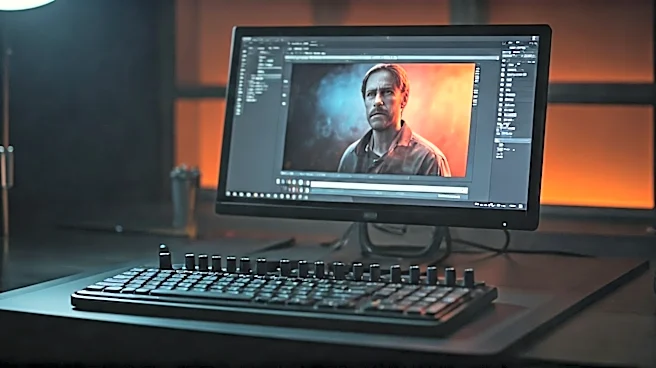
First, let's be clear: there isn’t a secret button in an Avid or Premiere Pro timeline labeled 'Make Film Look Expensive.' The 'trick' is actually a disciplined philosophy of editing for perceived value. It’s a mindset embraced by editors on low-budget
projects who know they can’t compete on spectacle, so they must win on rhythm, intelligence, and emotion. Instead of trying to replicate a blockbuster, they focus on making the resources they *do* have feel intentional and polished. This school of thought is about ruthlessly maximizing strengths while artfully concealing financial limitations. It’s less about one specific technique and more about a holistic approach to storytelling that prioritizes the viewer's feeling of quality over the director's attachment to every shot.
Pacing Creates Perceived Value
The most powerful tool in the microbudget editor’s kit is pacing. Expensive films feel confident. They move with purpose. Amateur films often dither, lingering too long on shots, holding on awkward pauses, or including scenes that don't drive the story forward. This hesitation screams 'low budget.' The 'Tribeca trick' is to edit with aggressive momentum. This doesn't mean every film has to be cut like an action movie. It means every single second of screen time must justify its existence. Editors on these films are masters of the 'kill your darlings' mantra. They trim the fat, cut lines of dialogue that state the obvious, and ensure the rhythm of the cuts feels decisive and professional. A scene that gets in, makes its point, and gets out cleanly feels far more expensive than one that meanders, no matter how beautiful the individual shots are.
Sound Is More Than Half the Picture
If you really want to know where the magic happens, close your eyes. In microbudget filmmaking, a pristine, layered soundscape is the ultimate cheat code for production value. While a cheap camera might produce a flat image, a sophisticated sound design can build a world that feels vast, detailed, and immersive. This is where indie editors and sound designers work in perfect sync. They don’t just use the audio captured on set; they build a sonic world from scratch. This includes crisp dialogue, subtle foley (the rustle of clothing, the clink of a glass), and ambient sounds that create a sense of place. A well-placed, high-quality musical score can elevate emotion and add a layer of professional sheen that distracts from any visual shortcomings. A film that *sounds* expensive often feels expensive, tricking our brains into perceiving the entire production as more high-end than it actually is.
The Art of Omission
What you *don't* see is just as important as what you do. Big-budget films can afford to show you the car crash, the massive battle, or the elaborate party. Microbudget films can't. So, their editors become masters of implication. The trick is to cut away from an action just before the expensive part would happen, letting the viewer’s imagination—and sound design—fill in the blank. Instead of showing a punch land, we see the wind-up and then cut to the other character’s pained reaction, with a brutal 'thwack' on the soundtrack. Instead of showing a crowded concert, we hold on the singer's face, with the roar of the unseen crowd washing over them. This technique, born of necessity, often results in more creative and emotionally resonant filmmaking. By focusing on the human reaction to an event rather than the event itself, the film feels more intimate and artistically confident, which are qualities we associate with high-quality cinema.