







The Standard Method: Cut-and-Sew
Most clothing, including a great deal of knitwear, is made using the cut-and-sew method. Think of it like baking a sheet cake and using a cookie cutter. Manufacturers knit large, rectangular sheets of fabric, which are then laid out, stacked, and cut into
the individual shapes of a garment's pattern—front, back, and sleeves. An industrial sewing machine then stitches these pieces together. This process is fast, scalable, and generally less expensive, which is why it dominates the global apparel market. However, it comes with trade-offs. The seams, often finished with a serger or overlock machine to prevent fraying, can be bulky. More significantly, this method generates considerable fabric waste from the scraps left behind after the pattern pieces are cut out.
The Artisan Approach: Fully Fashioned
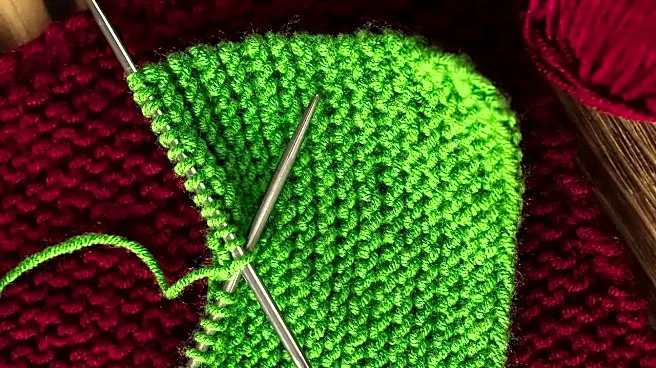
Fully fashioned knitwear is a more precise and intricate process. Instead of cutting from a large cloth, each panel of the garment is knitted to its exact required shape and size directly on a specialized machine. The machine operator programs the equipment to add or drop stitches to create the curves of an armhole or the taper of a sleeve. Once the individual pieces are complete, they are not sewn but 'linked' together. This involves a skilled technician manually joining the corresponding loops of each panel on another machine, creating a flexible, flat, and nearly invisible seam. This method is slower and requires more technical expertise and programming, but it’s a hallmark of high-quality craftsmanship.
How to Tell the Difference
You don't need to be a textile expert to spot the difference. The easiest way is to inspect the seams, particularly around the armholes and shoulders. On a cut-and-sew garment, you'll find a raised seam allowance on the inside where the fabric was cut and sewn, similar to a t-shirt or a pair of jeans. In contrast, a fully fashioned sweater will have very flat, clean seams. Look closely near the linked seam of a fully fashioned piece, and you may see tiny, subtle dots or 'fashioning marks' where stitches were increased or decreased to shape the panel—a signature of its superior construction.
The Impact on Fit and Durability
The construction method has a major impact on how a sweater fits and lasts. Because fully fashioned pieces are engineered to shape, they offer a more precise, comfortable, and flattering fit that drapes naturally on the body. The linked seams are as flexible as the knit itself, moving with you without adding bulk or stiffness. This construction also results in a more durable garment because the edges aren't cut and are less prone to fraying or unraveling over time. While cut-and-sew knitwear can certainly be well-made, the method itself is less conducive to achieving a perfect, body-contouring fit.
Cost, Waste, and Why It Matters
Fully fashioned knitwear is almost always more expensive, and for good reason. The process is more time-consuming, requires more sophisticated machinery, and depends on skilled labor for programming and linking. However, this higher upfront cost often translates to better long-term value. One of the most significant advantages of fully fashioning is its sustainability. Since pieces are knit to shape, the process creates little to no yarn waste, which is especially important when using precious materials like cashmere or fine merino wool. Cut-and-sew, by its nature, leaves behind fabric offcuts that are typically discarded. Choosing fully fashioned is an investment not only in a better-fitting, more durable garment but also in a more mindful and less wasteful production process.