
The Sun-Baked Skeleton
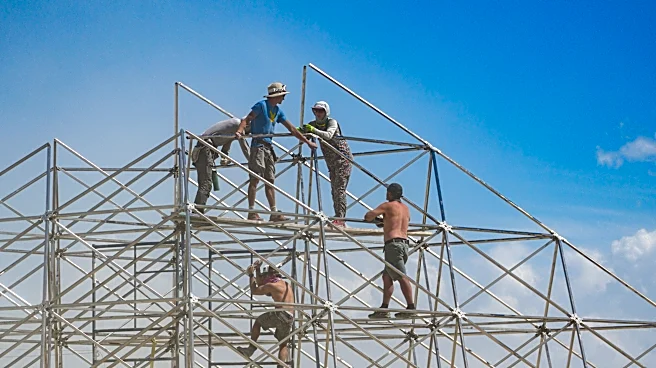
By day, the art of Burning Man is a testament to engineering and imagination under harsh conditions. A towering structure might resemble a metallic flower, its steel petals closed against the desert heat. Another could be a giant wooden ship, seemingly
sinking into the dry lakebed, its splintered frame a climbable playground for curious explorers. Participants wander through these immense forms, touching the materials, seeking shade beneath their silent limbs, and marveling at the sheer ambition of building a cathedral in the dust. During these hours, the art feels architectural and solid. It is an object to be circumnavigated and appreciated for its form, texture, and the intricate details visible only in the stark, revealing light of day. It’s a static gallery on a colossal scale, waiting for its cue.
Dusk and the Great Awakening
The true magic begins at sunset. As the sky bleeds from orange to deep indigo, a palpable energy shift ripples across the playa. The ceaseless noise of the day softens to a hum of anticipation. Then, one by one, the installations begin to stir. A single point of light might appear, then another, until a whole sculpture is traced in a delicate, glowing outline. Red LEDs might define the silhouette of a 72-foot shark cruising through the darkness, or sequenced lights will begin to pulse across the 60-foot wingspan of a metallic dragon. This is the magic hour, a liminal space where the art sheds its daytime skin. The temperature drops, the stars emerge, and the desert floor transforms from a sun-scorched expanse into a vast, dark canvas.
A Canvas of Digital Light
Nightfall completes the first stage of the transformation. The solid, sculptural forms dissolve into apparitions of pure light. Complex, addressable LED systems turn static surfaces into dynamic video screens, displaying flowing patterns of color that ripple across the structure. A geometric dome no longer appears to be made of wood and metal, but of shifting light and shadow, casting intricate patterns on the ground and the people gathered around it. Artists use light not just to illuminate their work, but to give it a nervous system, a heartbeat. Some pieces are interactive, changing color and intensity in response to sound or the movement of the crowd, breaking down the barrier between art and observer. The sculpture is no longer an object you look at, but an environment you are inside.
When Fire and Bass Take Over
Just as the visual landscape is remade, so is the auditory one. The relative quiet of dusk gives way to a sensory overload. Deep, rhythmic bass from mutant vehicles—elaborate art cars designed as everything from fire-breathing octopi to mobile stages—rolls across the desert. The night is a clash and fusion of soundscapes. But the ultimate expression of nighttime energy is fire. Many large-scale installations incorporate dramatic flame effects, known as “poofers,” which release massive, concussive fireballs into the sky with a gut-shaking roar. These bursts are often choreographed, punctuating a musical beat or highlighting a moment of collective energy. Fire provides a primal, visceral counterpoint to the high-tech glow of the LEDs, reminding everyone of the raw, untamable power at the heart of the event.
From Playground to Cathedral
The human interaction with the art also undergoes a profound shift. The daytime vibe of a physical playground—climbing, exploring, taking photos—morphs into a nighttime state of communal awe. Crowds gather not just to see the art, but to experience it. People dance for hours in the glow of a pulsing light field or sit in silent contemplation before the annual Temple, a vast, intricate wooden structure designed for reflection and release. The art becomes a beacon, a destination, a temporary landmark in a city that exists for only a week. The dual identity of each piece is its genius: a physical object by day, an ephemeral spectacle of light and sound by night. To only see one is to miss half the story.