


The Great Betrayal of Convention Lighting
The problem isn't the product; it's the lighting. Convention centers are notoriously difficult environments for color accuracy. These massive spaces are typically illuminated by a harsh mix of overhead light sources. Older venues might still use fluorescent
bulbs, notorious for casting a cool, greenish, or bluish tint that can make skin look sallow and wash out the warmth in makeup. Modern convention halls have largely switched to high-efficiency LED high bays. While better, these lights are often tuned for brightness and energy savings, not for perfect color rendering. They can be intensely bright and are often positioned high above, creating harsh shadows that distort features. This mixed, often cool-toned lighting is the absolute enemy of makeup, as it alters how colors appear to the human eye.
Why Metallics Are Special Victims
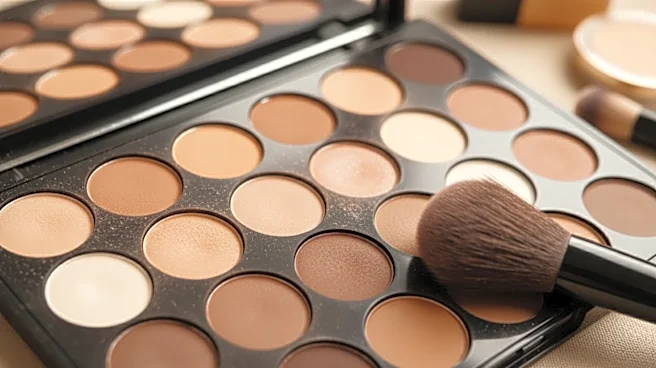
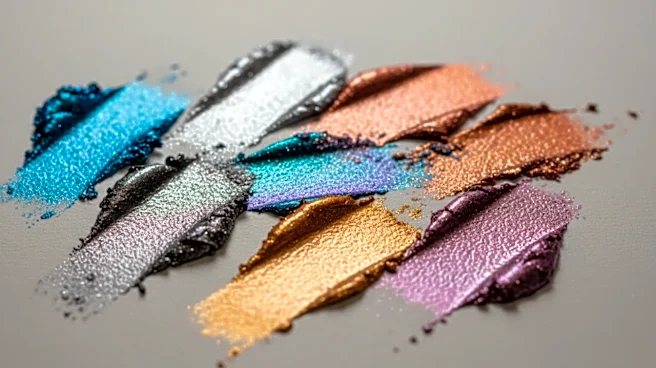
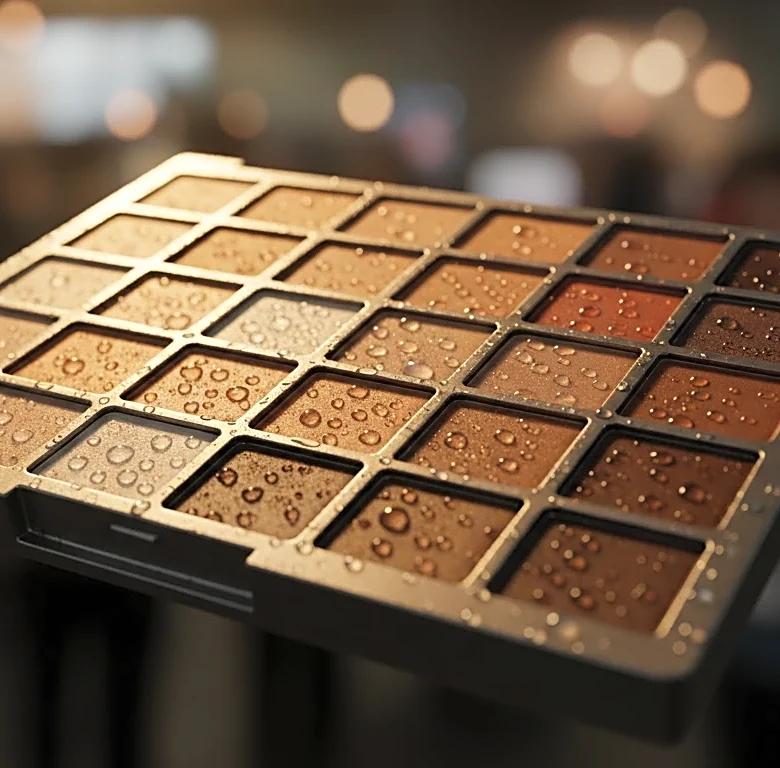
While all makeup is affected by bad lighting, metallics, shimmers, and duochromes are uniquely susceptible to deception. It's all about the physics of light and reflection. Matte shades absorb more light, showing a more consistent color under various conditions. Metallic finishes, on the other hand, are loaded with tiny, flat, reflective particles (like mica, aluminum, or synthetic fluorphlogopite) designed to bounce light back for a high-shine finish. The perceived color of a metallic is a combination of its base pigment and the light it reflects. Under the cool, incomplete spectrum of fluorescent or budget LED light, many of the complex, warm, or iridescent shifts are simply lost. A stunning rose gold might just look like a flat, muddy bronze. A duochrome with a captivating green-to-purple shift might only show one of its colors, or neither, appearing as a dull gray. The lighting fundamentally fails to provide the full spectrum of light needed to bring those shifty, sparkly pigments to life.
Mastering the Mobile Swatch
This is where beauty junkies get creative. Knowing the convention floor is a house of lies, they've developed a system to vet a product's true color. The most common technique is the "flash and shadow" swatch, using the one tool everyone has: their smartphone. After applying a swatch to their hand or arm, they'll first view it under the ambient convention light. Then, they'll turn on their phone's flashlight and hold it directly over the swatch. This intense, direct light mimics bright, direct sunlight and reveals the true power of the reflect, showing how the metallic or glitter will pop. It helps them see the density of the shimmer particles and the intensity of the shine. Next, they'll angle their hand to cast a shadow over the swatch. In the shadow, the reflective sparkle is minimized, allowing them to see the true base color of the pigment without the distracting shine. This simple two-step process reveals both the shimmer quality and the underlying shade, providing a much more accurate picture than the ambient lighting alone ever could.
Advanced Swatching Techniques
For the truly dedicated, the smartphone test is just the beginning. The ultimate goal is to see the swatch in natural daylight, which contains the most complete spectrum of light and reveals the most accurate color. Veteran convention-goers will often swatch a few top contenders on their arm and then make a strategic trip to the nearest window or even step outside the building for a final, honest assessment. Another pro move involves understanding the product's finish. For maximum impact, many beauty fans know that applying duochromes and metallics with a finger, rather than a brush, provides the best payoff by warming the product and pressing the pigments onto the skin. Some will even swatch a product over a black or white base (often using an eyeliner they brought along) to test the transparency and color-shifting properties of duochromes, which can appear dramatically different depending on what's underneath. It's not just about what the color is, but what it can be with the right application.