

The Collection That Sent Up the System
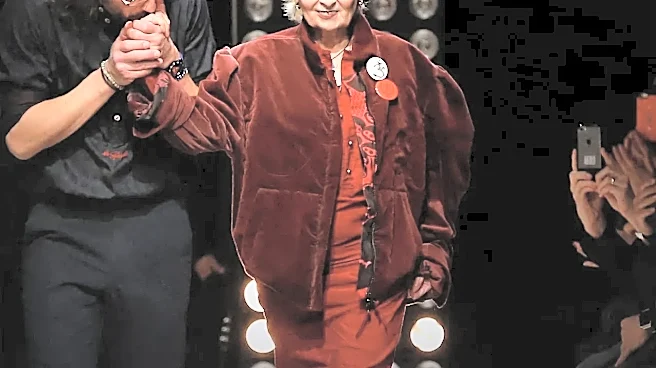
In the fall of 1987, Vivienne Westwood unveiled her “Harris Tweed” collection. After years of defining the punk aesthetic with ripped shirts and safety pins, she turned her attention to the very heart of the British class system. The collection was a satirical
love letter to English heritage, inspired by a chance sighting of a young girl on the London Underground who looked prim and proper in a tweed jacket. Westwood took that traditional, almost stuffy, fabric and twisted it. She crafted tightly cinched corsets, exaggerated suits, and playful crowns all from the hand-woven Scottish wool. The goal, as she put it, was to take the “vocabulary of royalty and traditional British symbols” and use it to her own advantage. It was a parody, but an affectionate one, designed to make the hard-wearing fabric of the upper class accessible and unorthodox.
A Critical Mauling
The fashion press, at the time, was not amused. Where Westwood saw a clever subversion, many critics saw a mess. The collection, which playfully toyed with the traditions of Savile Row and upper-class dress, was initially met with confusion and disdain. The fashion world was still grappling with the power-dressing extravagance of the '80s, and Westwood’s intellectual, historically-rooted commentary felt out of step. Her use of the Harris Tweed Orb logo, which resembled the official trademark of the Harris Tweed Authority, also sparked controversy, ruffling feathers within the traditional industry. The initial verdict from the tastemakers was in: the collection was a bizarre, unwearable folly. The attempt to “bury” it with bad press had begun.
The Designer's Intellectual Confrontation
Westwood didn’t confront the press with angry tirades. Instead, her rebuttal was intellectual and, ultimately, artistic. She had always maintained that her stimulus was “always intellectual,” born from meticulous research in museum archives. Following the show, she articulated her vision, explaining the satirical intent behind the clothes. These weren't just garments; they were social commentary. The corsets that would become her signature were a way of re-contextualizing historical undergarments as powerful outerwear. The entire collection was a commentary on class, tradition, and identity. By explaining her process and the deep historical and cultural roots of her designs, she challenged critics to look past the surface and engage with the ideas. She refused to let their lack of vision define her work.
Vindication by History
It didn’t take long for Westwood to be proven right. As the initial shock wore off, the fashion world began to see the “Harris Tweed” collection for what it was: genius. The very collection that was initially dismissed was soon celebrated for its wit and innovation. Far from being buried, it is now credited with being instrumental in reviving the use of Harris Tweed as a high-fashion fabric, giving a much-needed boost to the Scottish industry. The controversial orb logo she adopted became one of the most recognizable brand symbols in the world. The collection's key pieces, especially its corsets and tailoring, are now considered iconic, featured in museum exhibitions and retrospectives. The ultimate vindication came when Westwood was named British Designer of the Year in both 1990 and 1991, cementing her transition from subcultural provocateur to a celebrated vanguard of the fashion world.