



The Unspoken Rules of Center Court
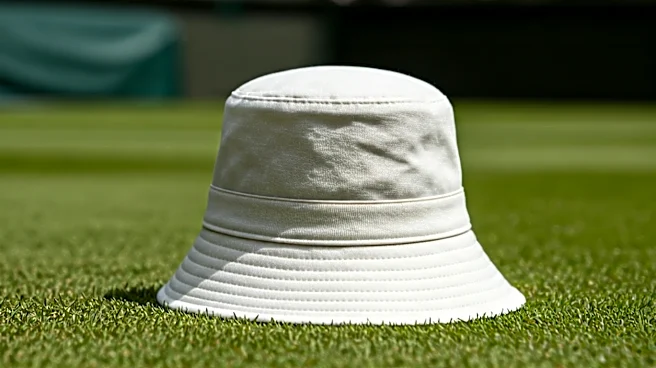
While players adhere to a strict all-white uniform, spectators operate under a more nuanced, unspoken code of conduct. The official rulebook for guests is essentially blank, but the expectation is clear: smart, polished, summer attire. This isn't the U.S.
Open, where athleisure might pass; Wimbledon demands a certain reverence, a sartorial nod to its prestigious history. The result is a fascinating case study in personal expression within perceived constraints, where attendees interpret “summer smart” through their own distinct fashion lenses.
Archetype One: The Country-Club Classicist
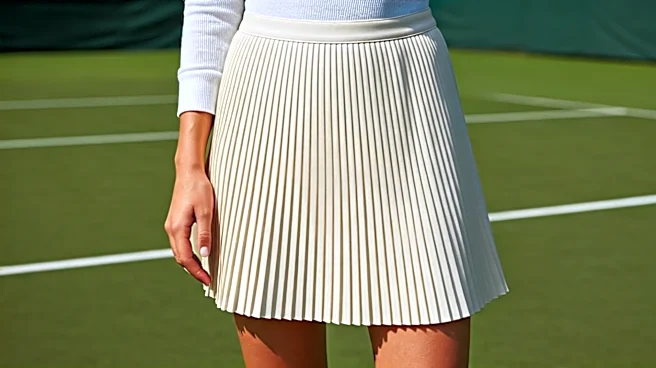
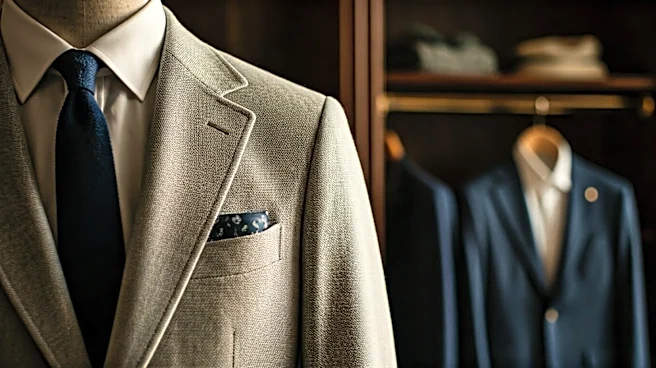
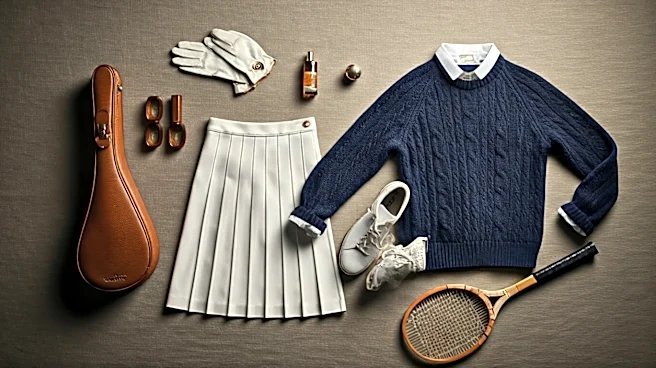
This is the Wimbledon of Ralph Lauren ads and Pimm's on the lawn. The country-club aesthetic is rooted in heritage, tradition, and a preppy, Anglophilic sensibility. For men, this translates to lightweight linen or summer-weight wool suits, often in cream, beige, or soft pastels, paired with crisp cotton shirts. Think David Beckham, an annual fixture, who masters the art of the tailored blazer and smart trouser combination. For women, it's about structured midi dresses, classic pleated skirts, and timeless accessories. This style embraces logos when they signify heritage—the polo pony, the crocodile—and leans into traditional patterns like stripes. It’s a look that is polished, respectful, and deeply aligned with the tournament’s storied past.
Archetype Two: The Parisian Minimalist
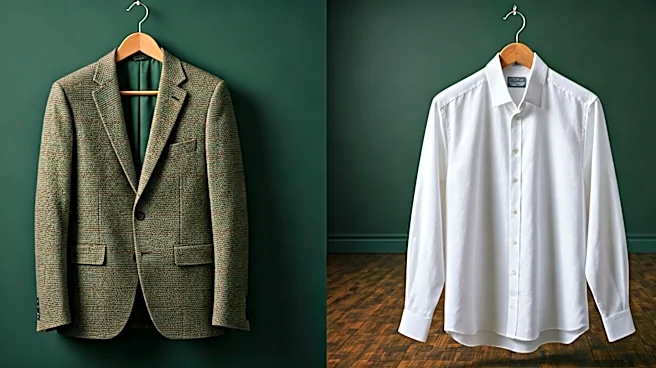
In direct contrast is a quieter, more architectural approach to style, best described as Parisian minimalism. This philosophy is less about adhering to a preppy uniform and more about the power of silhouette, fabric, and fit. The color palette is strictly edited—whites, creams, navy, and black—but the interest comes from texture: a bouclé dress, a silk blouse, or a perfectly cut piece of linen. This style avoids overt branding, finding luxury in the quality of the garment itself. It's a look defined by what isn't there: no fuss, no loud prints, no unnecessary embellishment. The focus is on clean lines and an overall sense of effortless elegance, where a single, well-chosen accessory, like a beautiful leather bag or distinctive sunglasses, does all the talking.
The Deciding Factor: It's All in the Details
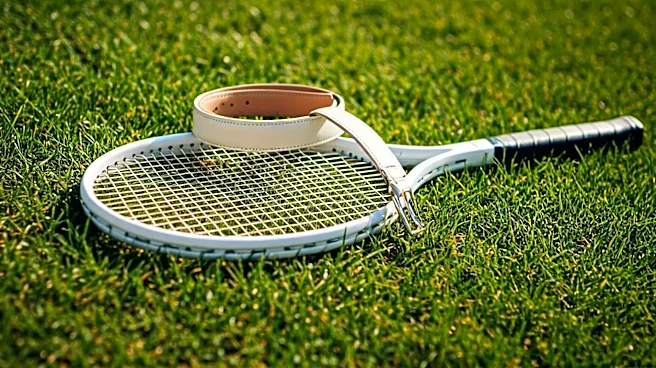
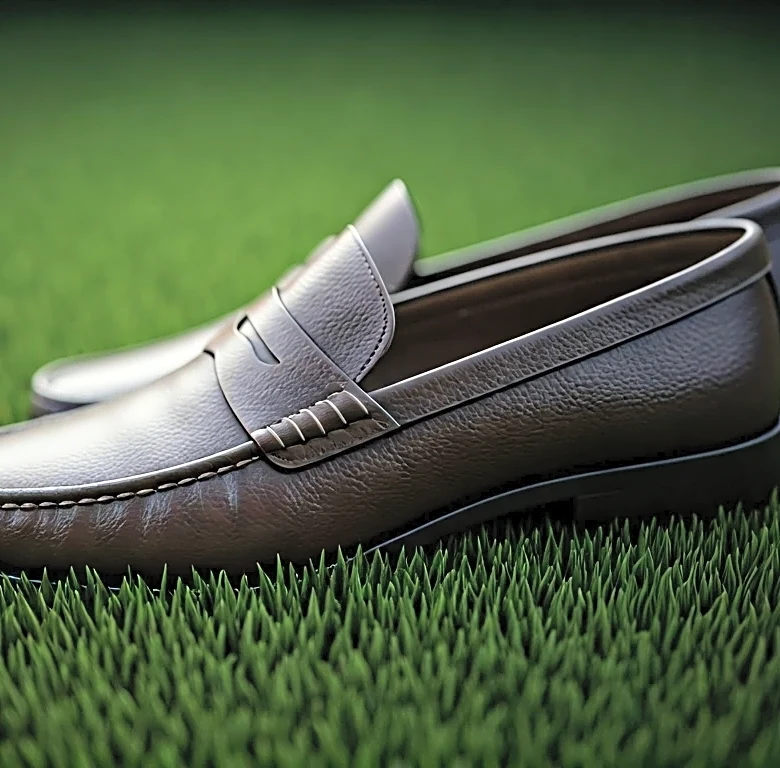
The fundamental difference between these two camps lies in the styling. The Country-Club Classicist layers accessories: a silk scarf knotted at the neck, a woven belt, a classic timepiece. Their footwear is traditional—loafers for men, espadrille wedges for women. It’s a curated, almost narrative approach to dressing. The Parisian Minimalist, however, edits. Their look might hinge entirely on a pair of sculptural earrings or an interesting shoe. The tailoring is precise, but the overall effect feels less constructed. While one style tells a story of heritage and belonging, the other tells a story of individual confidence and restraint. Both are perfectly appropriate for Wimbledon, yet they broadcast entirely different sartorial messages.
The New Wave: Beyond the Binary
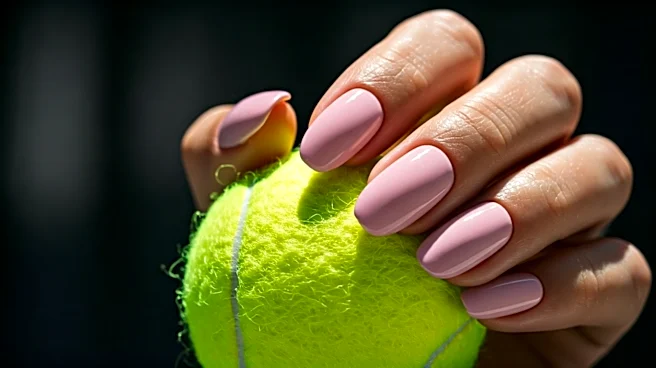
Of course, not every guest fits neatly into these two boxes. The 2026 championships have already seen a surge of individuality that pushes the boundaries. Celebrities have been spotted in sugary pastels, bold polka dots, and buttery yellows. Jameela Jamil, for instance, has championed statement-making polka-dot dresses on consecutive days, while others like Mollie King have opted for colorful, retro-inspired skirt suits. These choices signal a shift where personal style is winning out over any single dress code, written or unwritten. The rise of “tenniscore” has also brought a playful, more literal interpretation to courtside dressing, seen in cheeky accessories like tennis-ball-themed heels. It suggests a future where the stands at Wimbledon are as dynamic and unpredictable as the matches themselves.