
More Than Just Playing Dress-Up
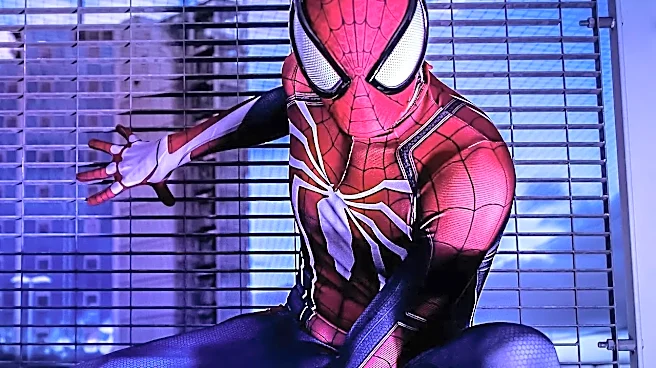
For decades, cosplay has been a vibrant subculture where fans meticulously craft costumes to embody characters from anime, video games, and film. While it began as a niche hobby, it has evolved into a global
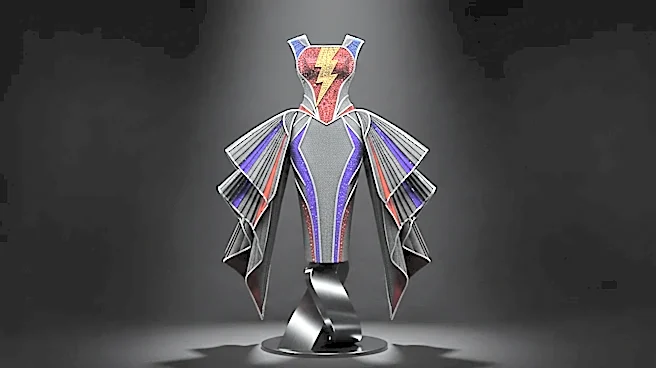
phenomenon built on incredible dedication and skill. High-level cosplay is not about throwing together a last-minute Halloween costume; it’s about deep-diving into a character’s design and bringing it to life with precision. This often requires techniques that overlap with, and sometimes surpass, traditional garment making: complex pattern drafting, intricate beadwork, and structural engineering to make fantastical designs wearable. The goal isn't just resemblance, but a faithful, high-quality recreation that can withstand the rigors of a convention day. It’s this demanding environment that has turned many cosplayers into masters of fabrication.
The Cosplayer's Unique Toolkit
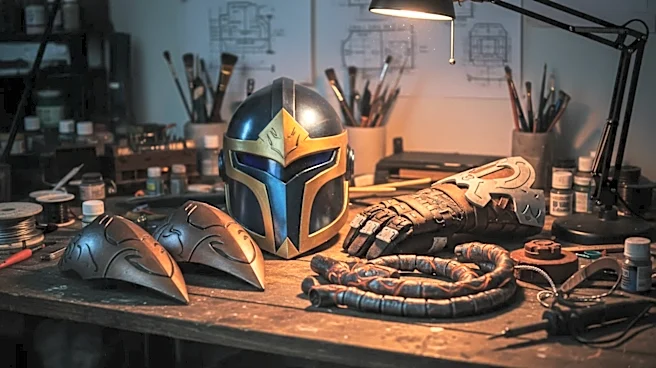
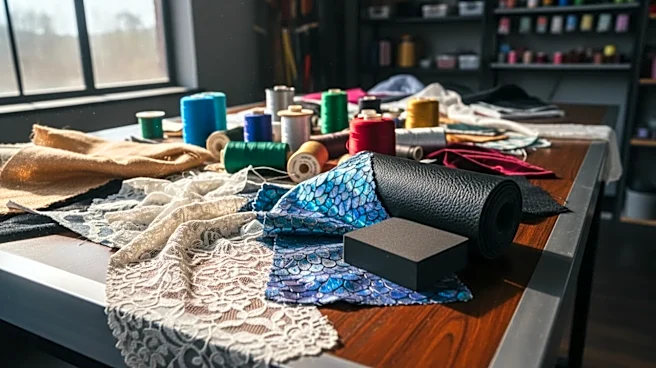
What sets a dedicated cosplayer’s skillset apart is its sheer breadth. A traditional dressmaker might be an expert in tailoring wool or draping silk, but a cosplayer has to be a jack-of-all-trades. One project might demand corset boning and historical sewing techniques, while the next requires sculpting foam armor, wiring LEDs into fabric, or hand-painting textiles to achieve a specific weathered look. They are problem-solvers at their core, figuring out how to translate a 2D drawing into a 3D garment that defies gravity or mimics otherworldly materials. This has led to an explosion of knowledge-sharing online, with creators posting tutorials on everything from advanced wig-styling to creating intricate embroidery patterns. This culture of innovation means cosplayers are often early adopters of new materials and methods, unafraid to blend couture sewing with industrial fabrication to get the perfect result.
From Convention Floor to Ballroom
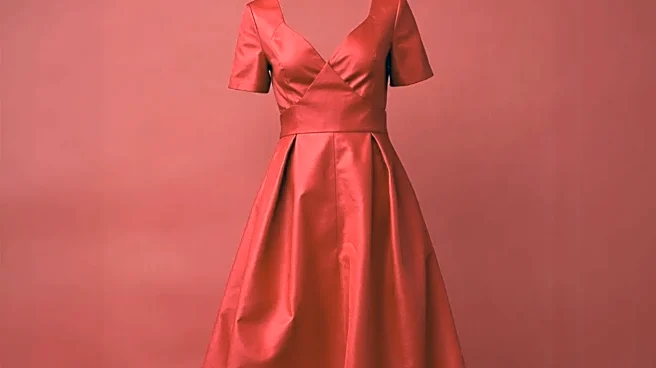
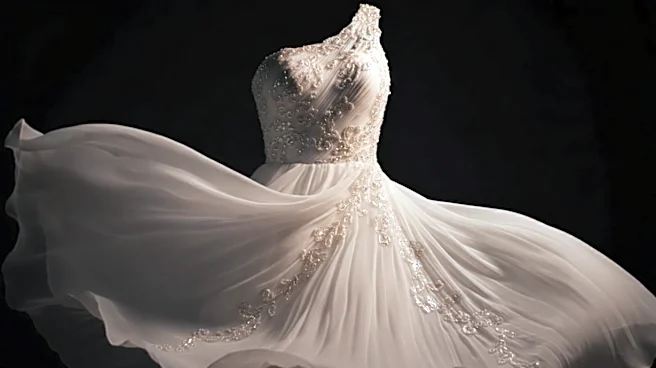
That unique toolkit is now finding a new outlet. Having mastered the art of creating complex fantasy gowns and impeccably tailored fictional uniforms, many cosplayers are applying those skills to formal wear. On social media and Etsy, you can find creators who started in cosplay now offering commissions for custom wedding dresses, gala gowns, and bespoke suits. One YouTuber documented making her own wedding dress, using her cosplay-honed skills to craft a complex corset and intricately beaded gown inspired by a high-fashion designer piece she couldn't afford. These garments often feature the same hallmarks as their best cosplay work: a flawless fit, stunning handcrafted details, and a structural integrity that’s built to last. They are, in essence, creating original couture pieces, born from skills perfected by recreating the fantastical.
An Unexpected Influence on Fashion
The fashion world is starting to take notice. While designers have long drawn inspiration from pop culture, the influence is now flowing the other way, with the technical prowess of cosplayers setting a new standard for what “handmade” can mean. Prominent figures like Yaya Han have played a huge role in legitimizing the craft, collaborating with major sewing and fabric companies to create products specifically for cosplayers, bridging the gap between hobbyist and professional. This has helped bring cosplay techniques into the mainstream sewing community. The result is a quiet revolution in bespoke clothing. The meticulous, boundary-pushing work once reserved for bringing a video game character to life is now showing up in one-of-a-kind eveningwear, proving that some of the most exciting developments in fashion are happening far from the traditional runway.