




The Five-Star Review Paradox
Online shopping has trained us to rely on a few key signals: star ratings, glowing reviews, and slick product photography. We scan for phrases like “fits true to size” or “love the color!” and assume we have the full picture. But these reviews often miss
the subtle, structural elements that separate a well-made garment from a disposable piece of fast fashion. When it comes to a mini dress, one of the most unforgiving garments in any wardrobe, the difference between confidence and constant tugging often comes down to a single detail that’s rarely mentioned: the construction of the hem.
The Secret Is in the Hem
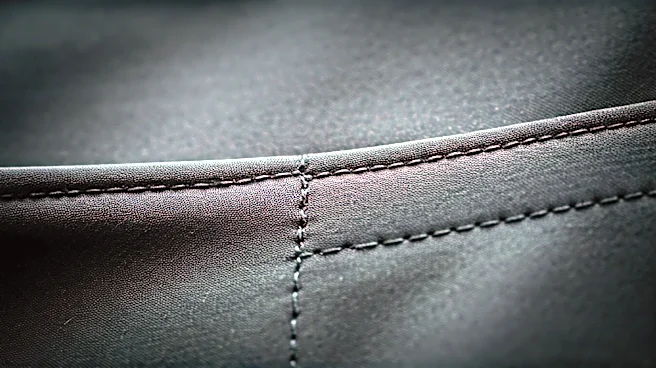
Forget the print, the neckline, or even the fabric for a moment. The most overlooked indicator of a quality mini dress is a “faced hem.” Unlike a standard hem, which is simply the bottom edge of the fabric folded over once or twice and stitched, a faced hem is a separate piece of fabric—often the same material as the dress itself—cut to match the hem’s curve, sewn to the raw edge, and then flipped to the inside. This creates a clean, stitch-free finish on the outside of the dress. On the inside, you’ll see a wide, smooth band of fabric, typically two to three inches deep, instead of a thin, folded line. It’s a more labor-intensive and costly construction method, which is why many brands skip it. But for a short dress, it's a game-changer.
Why This Detail Changes Everything
So, why does a faced hem matter so much? It solves the three biggest problems that plague cheap mini dresses. First, it adds weight. That internal band of fabric acts as a gentle anchor, helping the dress hang properly and preventing it from flying up with a gust of wind or riding up as you walk. It gives the silhouette a sense of substance and intention. Second, it provides structure. The facing helps the hem hold its shape, whether it’s a crisp A-line or a soft flare, preventing the dreaded “hem flip” where the edge curls outward. Finally, it creates a luxurious, seamless look. A dress with a faced hem just looks more expensive and polished because there’s no distracting stitch line interrupting the flow of the fabric. It’s the kind of detail that makes a garment feel considered and complete.
How to Become a Hem Detective
Once you know what you’re looking for, spotting this detail becomes second nature. When shopping in person, simply flip the hem up and look at the inside. Do you see a thin, stitched fold, or a wide, clean band of fabric? Online, it’s a bit trickier, but not impossible. Scrutinize the product photos. Zoom in on the hem from the outside; if you can’t see any visible stitching, that’s a great sign. Some premium brands will mention a “faced hem” or “clean finish hem” in the product details, treating it as a selling point. If a brand photographs the inside of the garment—a mark of confidence in their craftsmanship—that’s your chance to check. If you see that wide, smooth band on the inside, you’ve likely found a winner.
A Sign of Overall Craftsmanship
Ultimately, a faced hem is more than just a functional feature; it's a signal. A designer or brand willing to invest in this superior construction technique is probably not cutting corners elsewhere. If they’ve perfected the hem, chances are they’ve also paid attention to the quality of the zipper, the finish of the seams, the precision of the darts, and the overall drape of the fabric. It’s a quiet clue that you’re holding a piece designed to last, not just to be photographed. It tells you that the garment was engineered for movement and wear in the real world, not just to look good on a static mannequin.