
The Festival Attention Economy
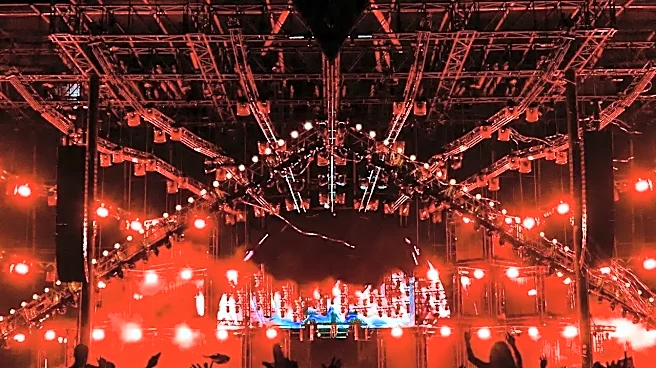
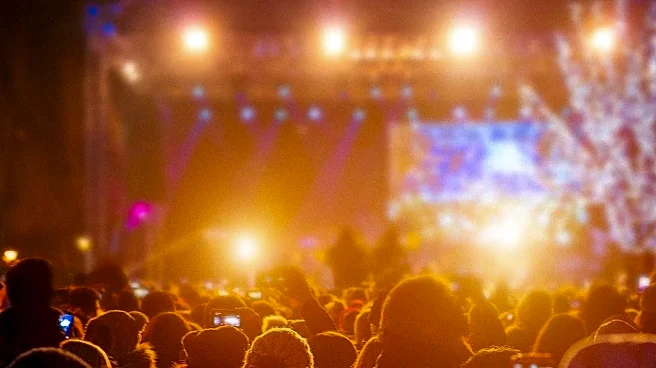
Unlike a traditional concert where attendees buy a ticket for a specific artist, a music festival is a buffet of sound. With multiple stages and dozens of acts playing simultaneously, the audience is in a constant state of motion and decision-making.
They are explorers navigating a sprawling campus of music, food, and friends. This creates what you could call an “attention economy.” An artist doesn’t just have to be good; they have to be compelling enough to stop people from wandering over to see who’s on the main stage, grab another taco, or meet up with their crew. In this environment, a slow-burn opening or a lengthy, atmospheric intro can be a death sentence. The crowd is a fluid entity, and if you don't provide a reason to stay within the first minute, a significant portion might just drift away. It’s not necessarily a reflection of the music's quality, but a reality of the highly competitive and distracting festival landscape.
From Your Phone to the Festival Lawn
This live-music dynamic is amplified by how we consume music digitally. Platforms like TikTok have trained our brains to expect the most potent part of a song—the hook—almost instantly. Songwriters and producers now front-load their tracks with catchy, memorable moments to avoid the dreaded skip. This learned behavior doesn’t disappear when we step onto a festival ground. Audiences, particularly younger ones, are conditioned for immediate payoff. They expect the same dopamine hit they get from scrolling their For You Page. A three-minute gentle build-up feels like an eternity when another stage is already blasting a recognizable, high-energy chorus. Artists who understand this and structure their sets accordingly have a distinct advantage. They are speaking the audience's native sonic language, one where the reward is delivered upfront.
The Power of the Sonic Signal
An immediate hook acts as a powerful signal in the noisy expanse of a festival. It’s an auditory flare that screams, “The party is over here!” This hook can take many forms: a signature guitar riff (think The Strokes’ “Reptilia”), a chanted, instantly singable chorus, a massive synth drop, or a charismatic stage command from the lead singer. For the thousands of people milling about, these hooks are decision-making shortcuts. They cut through the ambient noise and provide a clear, compelling reason to stop and listen, or even to change direction and head toward that stage. Chappell Roan, for example, has built a reputation for commanding massive festival crowds by creating infectious, interactive moments from the get-go. This isn't just about grabbing attention; it’s about creating an instant sense of community and shared energy, turning passive listeners into active participants.
Who Masters the Opening Salvo?
The artists who thrive in this setting are often those whose music is inherently direct and energetic. Pop powerhouses, high-octane rock bands, and EDM DJs are naturally suited for it. Their genres are built on delivering big moments. Cage The Elephant, for instance, is known for electrifying festival sets packed with fan favorites and relentless energy. But it's not limited by genre. An indie artist with a wildly catchy breakout single or a rapper with an iconic beat can achieve the same effect. Conversely, artists who specialize in more nuanced, slow-building soundscapes can struggle in a daytime festival slot. Their art requires patience and a focused environment, something that is in short supply at a place like ACL. They may be brilliant musicians, but their style is often better suited for a headlining slot after dark or an intimate theater show, where the audience has already committed to the journey.