
1. The Others (2001)
This is the most direct spiritual successor. Released just two years after Shyamalan's blockbuster, Alejandro Amenábar's gothic ghost story felt like an immediate response. Starring Nicole Kidman as a protective
mother in a remote, fog-shrouded mansion, the film drips with the same kind of melancholic dread and atmospheric tension. Critics immediately drew parallels, noting its slow-burn pacing, its focus on characters grappling with grief and phenomena they can't explain, and, most famously, a final-act reveal that completely re-contextualizes the entire film. While some argued whether its twist was as effective, most agreed that The Others was playing the same haunting, high-stakes game. It cemented the idea that a story's big shock shouldn't just be a gimmick, but the thematic and emotional key to everything that came before.
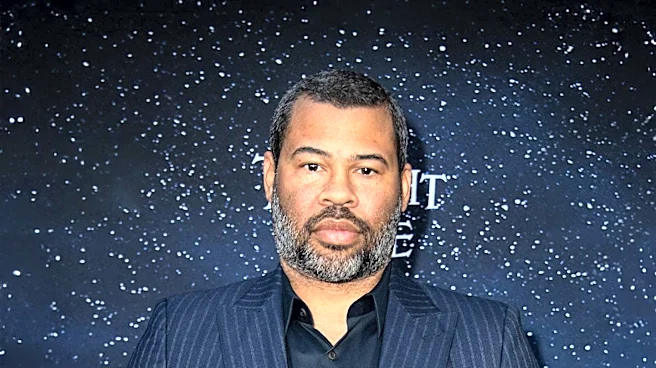
2. Get Out (2017)
Jordan Peele's directorial debut wasn't compared to The Sixth Sense for a supernatural twist, but for its masterful manipulation of audience expectations. Critics recognized a similar genius in its structure: a film that operates on one level for the first viewing and a completely different, more horrifying level on the second. The comparison lies in the 'reveal'—the Sunken Place, the true nature of the Armitage family—that, like Bruce Willis’s final realization, retroactively illuminates every preceding scene with a new, terrifying light. It’s not about seeing dead people; it’s about how a film can use genre conventions to hide a profound, socially charged secret in plain sight, rewarding the viewer who goes back to connect the dots.
3. Arrival (2016)
Here, the comparison is less about horror and more about narrative architecture. Denis Villeneuve's sci-fi masterpiece was lauded by critics for its intellectual and emotional gut-punch of an ending. Much like The Sixth Sense, the film’s conclusion doesn’t just wrap up the plot; it fundamentally changes your understanding of it. The realization of what the aliens' 'gift' truly is—the ability to perceive time non-linearly—forces the audience to reinterpret every flashback involving Amy Adams's character and her daughter. Critics pointed to this structural brilliance as a clear descendant of Shyamalan's narrative trick. It’s a twist based not on a ghost, but on a concept, proving that the same storytelling DNA can be used to create awe and heartbreak in a completely different genre.
4. Hereditary (2018)
Ari Aster's breakout horror film doesn't have a single, tidy twist at the end, but critics, and even star Toni Collette, saw the ghost of The Sixth Sense in its DNA. The comparison was about its success in elevating a horror story into a devastating family drama. The Sixth Sense wasn't just scary; it was a sad, poignant story about communication and grief. Similarly, Hereditary uses its supernatural elements to explore the terrifying, real-world inheritances of trauma, mental illness, and familial resentment. Collette herself noted that both films ground their horror in a naturalistic family setting before introducing something otherworldly. The legacy here is the successful blending of A-list dramatic performances with genre scares to create something more resonant and unsettling than a simple fright-fest.
5. A Quiet Place (2018)
John Krasinski’s high-concept creature feature drew comparisons for its masterful execution of suspense and its emotional, family-centric core. While many thrillers focus on the mechanics of their monsters, A Quiet Place, like The Sixth Sense, anchors its terror in the plight of a family trying to protect each other. The critical parallel was in its 'ruthlessly intelligent' design—building a world with one simple, terrifying rule and exploring every consequence of it. This approach creates a sustained tension that relies on character choices and emotional stakes rather than just jump scares. The film’s power comes from seeing this family navigate their silent, terrifying world, a focus on emotional drama amidst supernatural threat that was a hallmark of what made The Sixth Sense so unforgettable.