





The Comfort of 'Spooky-Lite'
First, let's talk about the specific flavor of Halloween these movies served up. This wasn't genuine horror. There were no jump scares or lingering dread. Instead, Disney Channel perfected a brand of 'spooky-lite' that felt safe and exciting all at once.
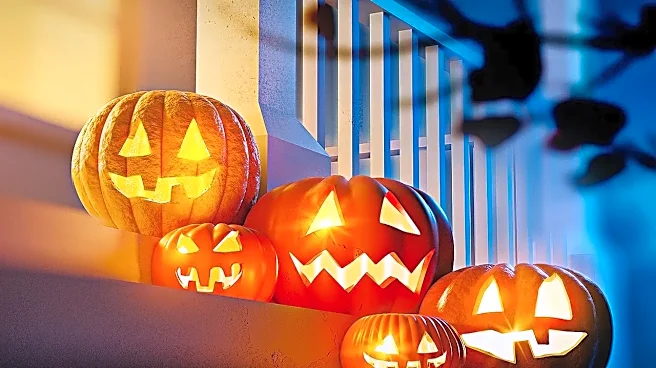
Films like 'Halloweentown' (1998) and 'Mom's Got a Date with a Vampire' (2000) presented a world where monsters were often quirky neighbors and magical problems could be solved with teamwork and self-belief. The stakes felt high to a ten-year-old, but never truly terrifying. The aesthetic was pure autumn comfort: glowing jack-o'-lanterns, swirling leaves, and a charmingly low-budget version of magic that felt more wondrous than threatening. This gentle introduction to genre themes created a safe space for kids to engage with the supernatural, making the films an annual tradition rather than a one-time fright.
The After-School Ritual
The nostalgia isn't just about the movies themselves, but the context in which they were consumed. Before the endless scroll of streaming, television was an event. During October, Disney Channel transformed its entire programming block into a month-long celebration, often branded as 'Hauntober Fest' or 'Monstober'. This created a sense of appointment viewing. Rushing home from school to catch a beloved favorite or the premiere of a new one, like 'Twitches' in 2005, became a daily ritual. The channel's themed bumpers and spooky on-air graphics made the entire experience feel immersive; it was as if the whole network was decorated for Halloween, just for you. This consistent, curated experience hard-wired these films into our internal calendars, forever linking the crunch of autumn leaves with the glow of the Disney Channel logo.
Relatable Heroes, Magical Problems
The protagonists of these movies were a key part of the formula. They were rarely extraordinary from the start. Marnie Piper from 'Halloweentown' was just a Halloween-obsessed teen who felt misunderstood by her mom. Alex and Camryn from 'Twitches' were ordinary girls who discovered on their 21st birthday that they were magical twin princesses. These characters were relatable avatars for the audience. They dealt with familiar struggles like sibling arguments, feeling like an outsider, and finding your place in the world. Their magical abilities were an extension of their journey of self-discovery, not just a superpower. This narrative structure—ordinary kid discovers they are extraordinary—is a timeless trope, but Disney perfected it by ensuring the heroes remained grounded, funny, and deeply human even after they learned to cast spells.
A Pre-Streaming Shared Experience
In the era before streaming services fragmented audiences, Disney Channel's Halloween lineup was a powerful force of monoculture. Millions of kids across the country were watching the same movie at the same time. The next day at school, the plot of 'Halloweentown II: Kalabar's Revenge' or the budding powers of the 'Twitches' twins were common currency on the playground. This shared experience created a powerful collective memory. Knowing that countless other kids were also huddled in their living rooms, watching Aggie Cromwell face off against Kalabar, fostered a sense of community. That communal viewing party, repeated every October for years, is something much harder to replicate today. It wasn't just a movie; it was a generational touchstone, a password into a club of kids who spent their Octobers in a world where magic felt just around the corner.