




The Silent Language of Color
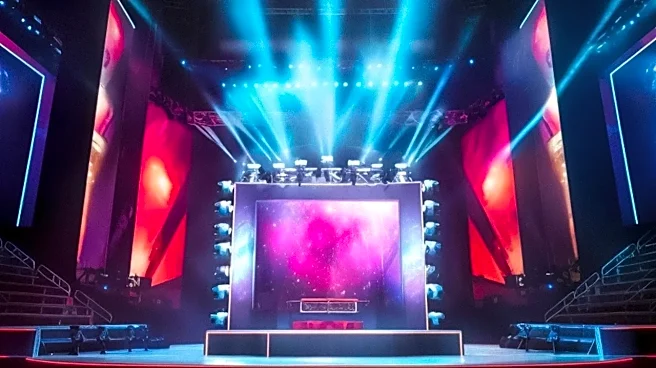
Before a single lyric is sung, the color of the light tells you how to feel. Lighting designers are masters of emotional shorthand, using color psychology to set a scene instantly. For a somber Americana ballad, you’ll often see deep, saturated blues.
Blue light can evoke feelings of sadness, calm, or melancholy. It’s the visual equivalent of a minor key, creating a reflective, introspective space for the artist's story to unfold. Conversely, a wash of warm amber or soft yellow might suggest nostalgia, comfort, or hope, even within a sad song. Red, a color of passion or anger, is used sparingly in these moments, as its high energy can feel jarring. A designer’s choice isn't arbitrary; it's a deliberate brushstroke meant to paint the song’s emotional landscape for the audience.
More Than Color: Intensity and Focus
The mood isn't just about the hue; it's about how much light there is and where it’s pointing. During a ballad, the lighting rig often goes dark, leaving just a single, soft-edged spotlight on the performer. This technique does two things. First, it creates intimacy. By shrinking the visible world down to one person, the massive stage feels as close as a living room. The darkness eliminates distractions and forces the audience to focus entirely on the artist’s face and words. Second, it uses shadow and contrast to build drama. Low-intensity light, where shadows are long and deep, feels more serious and emotional than bright, even lighting, which can feel energetic or clinical. The slow dimming of lights as a song begins, or a gradual fade to black at the end, are powerful transitions that guide the audience’s emotional state from start to finish.
Movement, Texture, and Haze
Static light is effective, but subtle movement adds a layer of sophisticated storytelling. For a ballad, you won't see the frantic strobes of a rock show. Instead, you might see an almost imperceptibly slow fade from a cool blue to a slightly warmer purple as the song builds toward a chorus, suggesting a shift in feeling. Often, a light haze is pumped into the air. This isn't just for a rock-and-roll aesthetic; haze catches the light, making beams visible to the audience. A single, sharp beam cutting through the darkness to illuminate the singer feels stark and lonely. A wider cone of hazy, diffused light can feel dreamier and more atmospheric. Designers also use gobos—stencils placed inside lights—to project subtle patterns, like a soft, out-of-focus window pane or dappled leaves, adding texture that enhances the song's narrative without pulling focus.
The Designer at the Console
A lighting designer is as much a performer as the musician on stage. They work closely with the artist to understand the emotional arc of every song. For a major awards show, the lighting cues are meticulously programmed to sync with the music, but they are often still triggered in real time by an operator. This person is essentially "playing" the light board. They know the exact moment a solo hits, when the bridge brings a glimmer of hope, or when the final chord needs to hang in a moment of perfect, silent darkness. The lighting becomes an instrument, swelling and receding with the band. It's a dance between sound and sight, where every cue is designed to deepen the story being told in the song and ensure the entire audience feels it together.