








The Fourth of July Golden Goose
The Independence Day holiday is, historically, one of the most lucrative weekends of the year for Hollywood. With families off from work and school, and often looking for air-conditioned refuge, movie attendance spikes. For studios, launching a tentpole
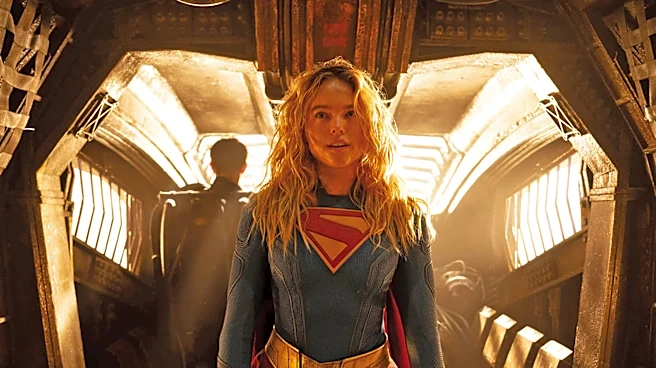
film on this weekend is a declaration of confidence, a multi-million-dollar bet that their blockbuster has what it takes to capture the national conversation and a massive box office haul. The summer of 2026 is shaping up to be a prime example, with a crowded field of potential hits. The season already has strong momentum from films like "Toy Story 5" and "The Mandalorian and Grogu". For the July 4th frame specifically, a major action film like "Supergirl" is poised to dominate, facing little direct competition in its genre. However, counter-programming like Illumination's animated "Minions & Monsters" and various smaller films will also be vying for audience attention, creating a complex puzzle for theater owners.
The Premium Screen Prize
Not all screens are created equal. The main event in this programming war is the battle for Premium Large Format (PLF) auditoriums—think IMAX, Dolby Cinema, and proprietary versions like Cinemark XD. These screens offer a demonstrably superior experience with bigger screens, advanced projection that provides brighter images, and immersive sound systems that you can't replicate at home. More importantly for both studios and theaters, they command a higher ticket price. Getting a film into a PLF screen isn't just about prestige; it's a direct route to higher profits. These premium screens consistently over-perform, with some chains reporting that as few as 5% of their screens (the PLFs) can generate 13% or more of the total box office. Studios often produce and market their films specifically for these formats, knowing that audiences are increasingly willing to pay more for a premium experience if they're going to leave their couch at all.
The Studio's Playbook
A studio with a potential nine-figure blockbuster on its hands has immense leverage. When negotiating with theater chains like AMC or Regal, the studio doesn't just ask for screens; it makes demands. These often include a guaranteed minimum run time, typically for several weeks, and a guarantee of placement on the theater's best screens, especially for the crucial opening weekend. The studio will also negotiate the percentage split of the ticket sales, which is often heavily weighted in the studio's favor during the first week or two of release before shifting more favorably toward the theater later in the run. If a theater chain wants access to the next "Spider-Man" or "Supergirl," they have to play ball. Refusing the terms for one blockbuster could jeopardize their access to that studio's entire slate of future films, a risk few chains are willing to take in an industry where content is king.
The Theater's Countermove
Theater chains aren't powerless pawns. Their leverage lies in their real estate and their relationship with the local audience. A multiplex manager knows they need to offer variety. Dedicating all their prime screens to a single superhero movie might alienate families who want to see the new animated feature, or adults looking for a different option. It's a delicate balancing act. Theaters must juggle the demands of powerful studios while also ensuring they have a diverse enough lineup to fill as many seats as possible across all their auditoriums. This often involves intricate scheduling, slotting a second- or third-week blockbuster onto a slightly smaller screen to make way for a new release. Long-term relationships also play a role; a theater chain might give preferential treatment to a studio that has been a reliable partner over the years. Ultimately, the performance of a film determines its fate. If a blockbuster underperforms on its opening weekend, the theater has more power to move it to a smaller screen or reduce its showtimes to make way for a surprise hit.