
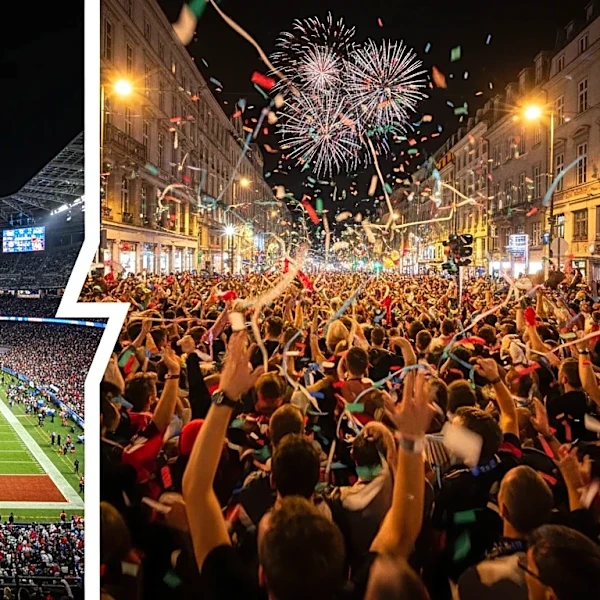



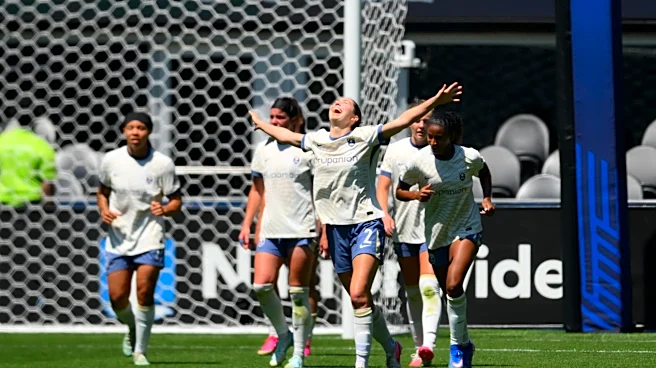


The Non-Stop, Fan-Led Concert
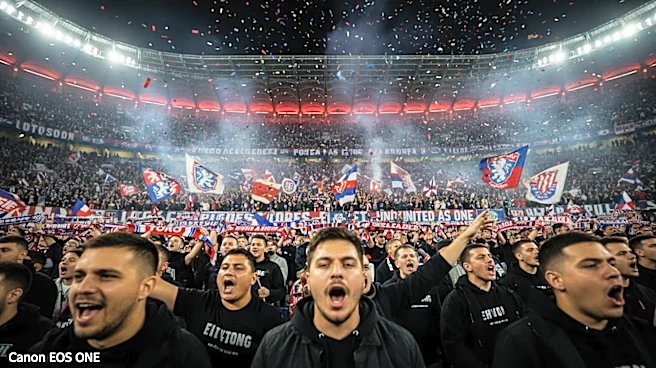
In most American stadiums, the soundtrack is curated. A PA system blasts rock anthems, digital sound effects prompt the crowd to “MAKE SOME NOISE,” and specific chants are led by cheerleaders or on-screen cues. In global soccer, the fans are the DJs,
the band, and the choir. From the opening whistle to the final seconds, dedicated supporter sections provide the soundtrack themselves. These aren't just sporadic cheers; they are complex, continuous, and creative songs and chants—often lasting the full 90 minutes. While American fans are passionate, the idea of singing, unprompted by stadium audio, for an entire game is a distinctly international soccer tradition. It creates a constant, pulsating energy that is entirely organic and fan-driven.
Art Installations in the Stands
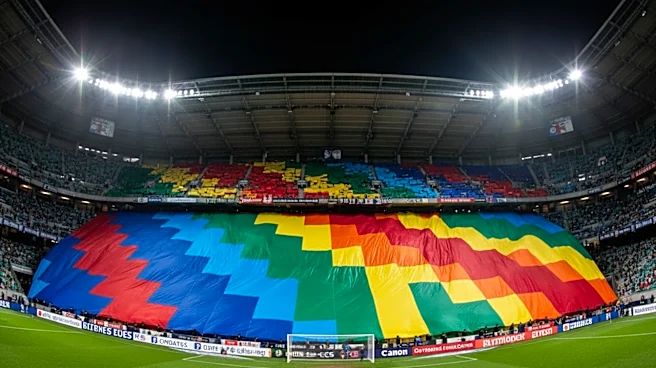
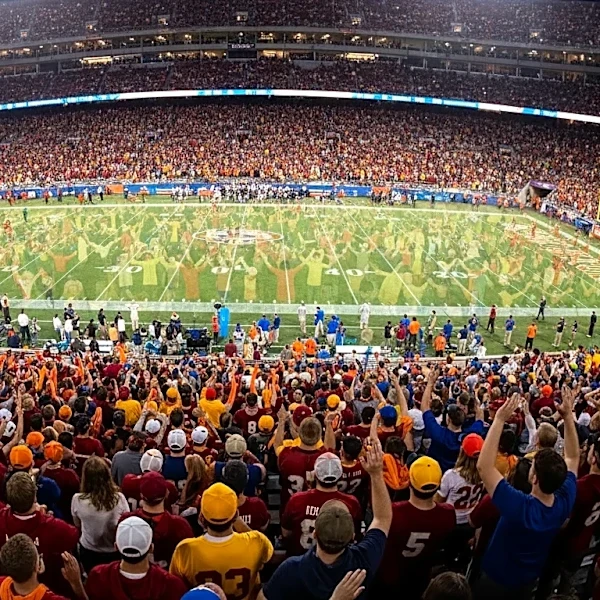
Sure, American fans bring signs and wave flags. But international soccer fans, especially in major games, create stadium-wide art. These massive, choreographed displays are known as “tifos,” an Italian word originally referring to the feverish passion of fans. A tifo can be a gigantic banner draped over an entire section, or a mosaic created by thousands of fans holding up colored cards to form a single, sprawling image or message. These aren't spontaneous acts; they are meticulously planned and funded by supporter groups, often taking weeks of work to design and execute. It’s a way to demonstrate collective dedication, intimidate opponents, and create an unforgettable visual spectacle before a ball is even kicked.
The Organized Passion of 'Ultras'
Behind the constant singing and stunning tifos are organized groups of the most fanatical supporters, often known as “ultras.” The term, which originated in Italy in the 1960s, simply means “beyond,” and these groups see their role as going beyond that of a typical spectator. They are the engine of the stadium atmosphere, organizing the chants, choreographing the displays, and traveling to away games in large numbers. While the term can sometimes be associated with controversy or hooliganism, the primary focus of most ultra groups is unwavering, creative, and highly organized support for their team. It’s a level of year-round organization and commitment that has few parallels in mainstream American professional sports fandom.
The Ritual of the March
In the U.S., game day often begins with tailgating in a parking lot. For many international soccer fans, it begins with a march. Thousands of fans will gather in a central location in the host city and walk together to the stadium, creating a river of color, noise, and energy through the streets. This “march to the match” is a European and South American tradition that turns the journey into part of the spectacle itself, accompanied by drums, songs, and flags. While some U.S. soccer cities like Seattle have adopted the tradition, the sheer scale of these marches at a World Cup—sometimes involving tens of thousands of fans—can be an astonishing sight for Americans accustomed to a more decentralized, car-based approach to getting to the game.
The Color and the Chaos
Perhaps the most visceral difference is the use of pyrotechnics. Flares and colored smoke bombs are an integral part of the visual language for many of the world's most passionate fan groups. The vibrant smoke creates a dramatic, colorful backdrop to celebrate goals or build atmosphere, while the bright light of flares cuts through the air, symbolizing the burning passion of the supporters. Of course, this practice is highly controversial and illegal in many stadiums due to safety concerns—flares can burn at extremely high temperatures. Whether seen as a dangerous menace or a beautiful expression of devotion, the sight of a stadium stand engulfed in a team's colors is a potent and unmistakable feature of global soccer culture that is largely absent from American sports venues.