



The Officiating Blunder That Fuels Decades of Debate
In soccer, it’s the “Hand of God,” a phantom foul call leading to a game-winning penalty, or a modern VAR decision that leaves an entire nation feeling robbed. These moments become enshrined in sporting lore, debated in pubs and across dinner tables for
generations. Hockey fans just nod knowingly. They have their own library of infamous calls that decided a championship. Ask a Buffalo Sabres fan about Brett Hull’s “skate in the crease” goal that cost them the 1999 Stanley Cup. Mention a missed high-stick call to a Vegas Golden Knights supporter. In both sports, the rules can be maddeningly subjective, and a single whistle—or a lack thereof—can alter history, creating a wound that never quite heals.
The Unique Cruelty of the Deciding Game
Nothing in sports is quite like the tension of a penalty shootout. The hopes of a nation are distilled into a series of one-on-one contests between a striker and a goalkeeper from 12 yards out. It feels arbitrary, brutal, and completely detached from the 120 minutes of team play that preceded it. It’s an emotional meat grinder. For a hockey fan, this is Game 7 overtime. After a grueling, two-month playoff marathon, a championship is decided by “next goal wins.” One lucky bounce, one defensive breakdown, one perfectly placed wrist shot, and it’s over. The line between ecstasy and devastation is a razor’s edge, a sudden-death format that guarantees one side heroic immortality and the other a summer of haunting what-ifs.
The Villain Everyone Loves to Hate
Every great drama needs a good antagonist. In the World Cup, it’s often the player who masters the “dark arts”—the cynical foul, the theatrical dive, the subtle provocation that goads an opponent into a red card. Think of players like Luis Suárez, whose on-field antics made him a pantomime villain for entire countries. Hockey fans know this character intimately; they call him a “pest” or an “agitator.” He’s the player who lives in the crease, delivers a slash to the back of the legs when the ref isn’t looking, and chirps relentlessly until an opponent snaps. On your team, he’s a beloved competitor who “plays on the edge.” On any other team, he’s a menace who deserves to be booed every time he touches the puck, just like that forward who spends more time on the grass than on his feet.
The 'Playing Through It' Warrior Mythos
A World Cup image as old as time: a star player, muscles seizing with cramps, hobbling through the final minutes of extra time, refusing to be substituted. Or a defender, bloodied from a clash of heads, insisting on being bandaged up on the sideline to return to the fray. It’s the visual representation of sacrificing for the cause. This narrative is the very bedrock of Stanley Cup Playoff culture. The stories are legendary: players skating on broken feet, taking stitches without anesthetic to get back on the bench, or hiding concussions to stay in the lineup. Patrice Bergeron played a Stanley Cup Final game with a punctured lung. In both worlds, the willingness to endure visible, gut-wrenching pain for the team is the ultimate currency of respect.
The Weight of a Nation on One Player
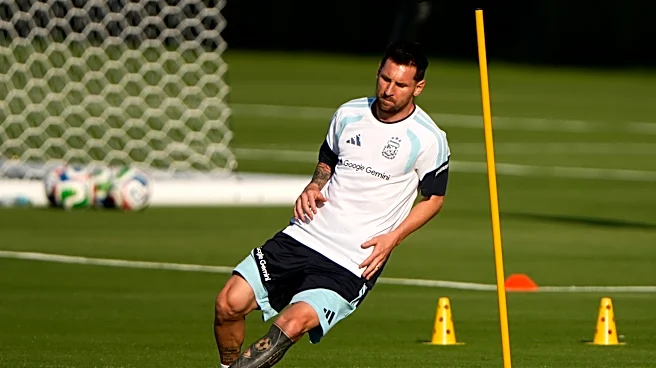
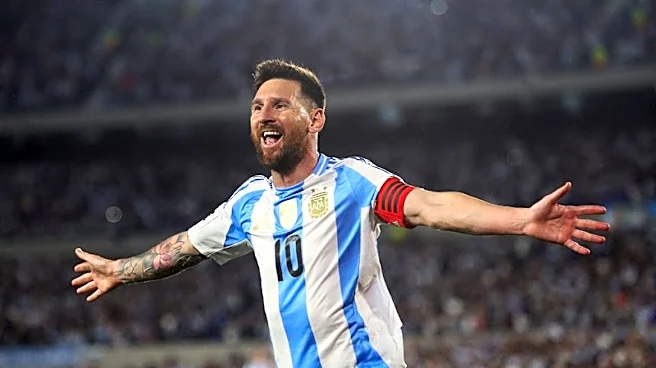
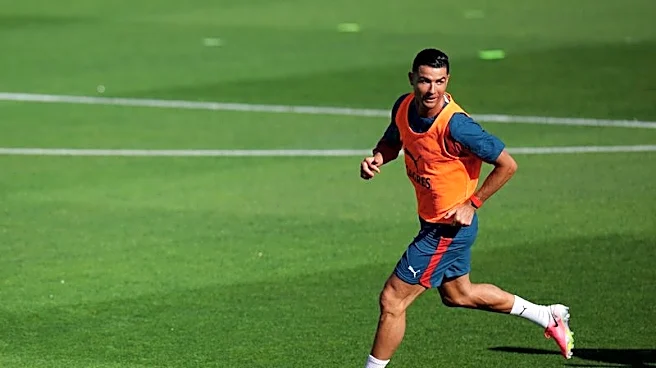
When Lionel Messi or Cristiano Ronaldo steps onto the pitch for their country, they carry more than just the captain’s armband. They carry the economic hopes, political anxieties, and sporting dreams of millions. Every touch is scrutinized, every missed chance a national tragedy, every goal a moment of collective euphoria. Hockey fans see this every four years at the Olympics. When Sidney Crosby suited up for Team Canada or when American fans pinned their hopes on Patrick Kane, the pressure was immense. It’s not just about winning a game; it’s about validating a national identity and delivering on a promise to an entire country watching back home.