





The Mid-Range Mainstay: Good, Not Great
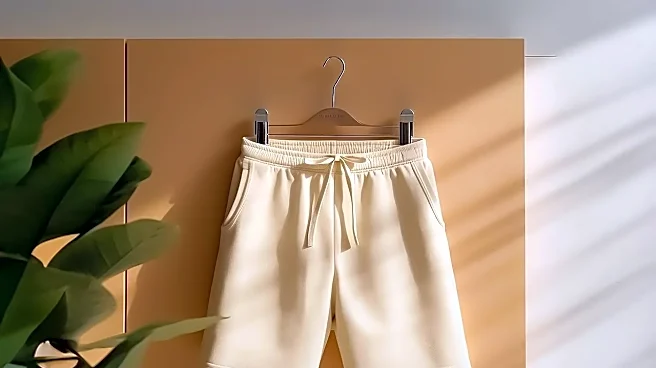
Walk into most mainstream retailers, and you'll find the mid-range linen short. Typically priced between $50 and $120, these are the workhorses of summer style. The first thing you'll notice is the fabric, which is often not 100% linen. Many brands use
a linen-cotton blend to reduce costs and minimize the fabric's natural tendency to wrinkle. While this makes for easier care, it also compromises on the exceptional breathability that makes pure linen so prized in high temperatures. The fabric itself is usually made from shorter flax fibers, which can give it a slightly coarser feel and make it more prone to thinning or fraying over time. Construction is standard: you'll see simple elastic or drawstring waistbands, machine-stitched buttonholes, and basic plastic buttons. These shorts are perfectly fine for a season or two of casual beach trips and backyard barbecues, but they often lack the refined finish and longevity of their premium counterparts.
The Premium Promise: It's All in the Details
Premium linen shorts, which can range from $150 to over $300, justify their price with superior materials and craftsmanship. These are almost always made from 100% linen, often sourced from high-quality European flax from France, Belgium, or Italy. This linen is woven from long-staple fibers, resulting in a fabric that is stronger, smoother, and becomes softer with each wash. The weight of the fabric, measured in GSM (grams per square meter), is also a key differentiator. Premium shorts tend to use a mid-weight linen (around 150-250 GSM) that drapes beautifully and isn't see-through, unlike some flimsier, low-GSM budget options. The construction details are where premium shorts truly shine. Instead of a simple elastic waist, you might find a tailored waistband with belt loops, a proper zip fly, and a button closure. The buttons themselves are often upgraded to natural materials like horn or mother-of-pearl. Pockets are well-finished, seams are reinforced, and the overall fit is more structured and flattering.
Fabric Feel and Durability
The most significant difference between the two tiers is the feel and performance of the fabric over time. Mid-range linen blends can feel soft at first, but that's sometimes due to chemical finishes that wash away, leaving the fabric less impressive. True, high-quality linen has a crisp initial feel that softens and improves with age, developing a unique character. It's also incredibly durable. Because it's made from long fibers, premium linen resists pilling and wear. Cheaper linen, with its short fibers, is more likely to develop thin patches or even tear after a season of heavy use. One of linen's best qualities is its ability to absorb moisture without feeling damp, and high-quality linen excels at this, keeping you cool and dry. While blends offer some breathability, they can't quite match the performance of pure, high-grade linen.
The Verdict: When to Spend and When to Save
So, are premium linen shorts worth the splurge? It depends entirely on your needs. If you're looking for a trendy pair in a bold color for a single summer vacation or just need something comfortable for lounging, a mid-range pair is a smart, economical choice. They get the job done without a major investment. However, if you want a timeless wardrobe staple that you can wear for years to come, a premium pair is a worthwhile investment. Consider splurging on a classic, neutral color like navy, khaki, or white that you can dress up for a nice dinner or wear casually on weekends. The superior fit, feel, and durability mean you'll likely get far more wear out of them in the long run, making the higher upfront cost easier to justify.