






The Gravity of the Group Chat
Let’s be honest: your sudden interest in the Danish midfield probably wasn’t sparked by a deep dive into European soccer tactics. It was sparked by a text. Or a Slack message. Or an invitation to a bar at 11 a.m. on a Tuesday. This is the first rule of
tournament gravity: enthusiasm is contagious. Humans are wired for social connection, and psychologists have long known that shared experiences amplify emotions. Watching a game alone can be fun; watching it with friends who are losing their minds transforms a 90-minute match into a core memory. The joy of a last-minute goal is multiplied by ten when you can share it with your people. The agony of a penalty shootout becomes a bonding trauma. You’re not just being peer-pressured into watching soccer; you’re being invited into a temporary, high-intensity emotional club. The membership fee is simply caring, just for a little while.
A Four-Week Pop-Up Language
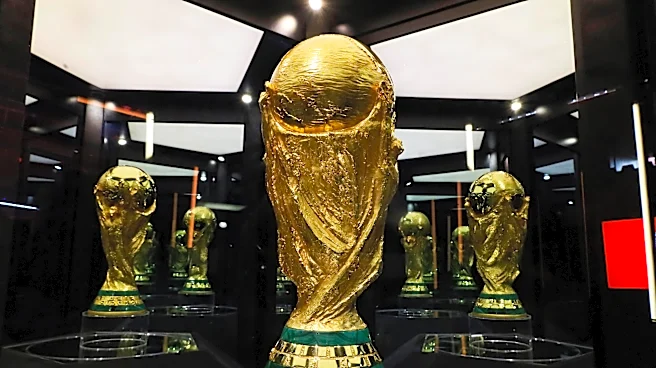
For many Americans, soccer exists as a background hum, a sport we know is popular *elsewhere*. But a major tournament like the World Cup or Euros changes that. For one month, it creates a universal language. Unlike the intricate rules of a baseball inning or the esoteric jargon of an NFL salary cap, the objective of soccer is brutally, beautifully simple: get the ball in the net. The narrative is primal: country vs. country. This accessibility is its superpower. You don’t need to know the history of the Real Madrid-Barcelona rivalry to understand the stakes of Spain playing Portugal. You just need to pick a side. Suddenly, you’re part of a global conversation happening in real-time. You can talk about that unbelievable goal with your coworker, the barista at your coffee shop, and your cousin across the country. The tournament provides a turnkey cultural identity you can try on for a few weeks, no long-term commitment required.
The Perfect Binge-Watch
Think of the World Cup not as a sport, but as the world’s most expensive, unscripted limited series. It arrives every few years with a new cast of heroes (a young phenom), villains (the team that plays dirty), and compelling plotlines. It has a built-in narrative arc: the scrappy underdogs, the collapsing dynasty, the redemption story. Best of all, it has a definitive ending. Unlike committing to a 162-game baseball season, a major soccer tournament is a four-week sprint. The emotional investment has a clear expiration date. This makes it the perfect vehicle for temporary fandom. You can go all-in, learn player names, buy a scarf, and experience the dizzying highs and soul-crushing lows, knowing that in a month, you can return to your normal life. It’s all the drama of a great TV show, but with the added thrill that none of it is scripted and the ending hasn’t been spoiled online.
More Than Just FOMO
It’s easy to dismiss the phenomenon as simple FOMO—Fear Of Missing Out. You see the pictures on Instagram, the cheering in the bar, and you don’t want to be the only one who has no idea why everyone is suddenly obsessed with a guy named Kylian. But it’s deeper than that. It’s about the Joy of Joining In. Being left out of the conversation is one thing, but the pull to be part of a shared celebration is a far more powerful force. These tournaments create moments that people will talk about for years. ‘Where were you when Landon Donovan scored against Algeria?’ or ‘Remember when we all thought Iceland could win the whole thing?’ By opting in, you’re not just avoiding being bored; you’re actively choosing to be part of the story. You’re building a communal memory with your friends, one overpriced beer and collective gasp at a time.