





The Unavoidable Host Nation Effect
First, let's state the obvious: hosting the world’s biggest sporting event changes things. When the entire planet’s attention is on your country, a specific kind of patriotic fervor ignites that goes beyond typical sports fandom. The World Cup isn’t just
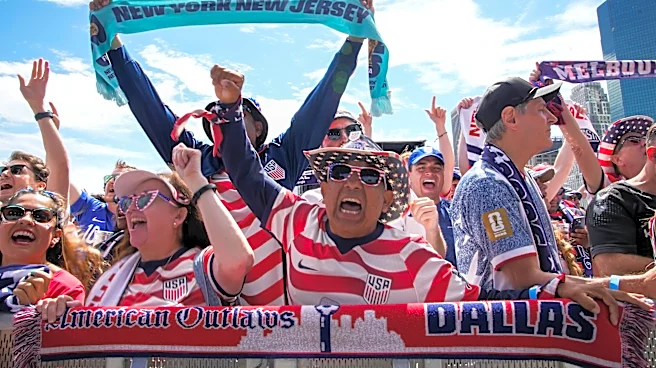
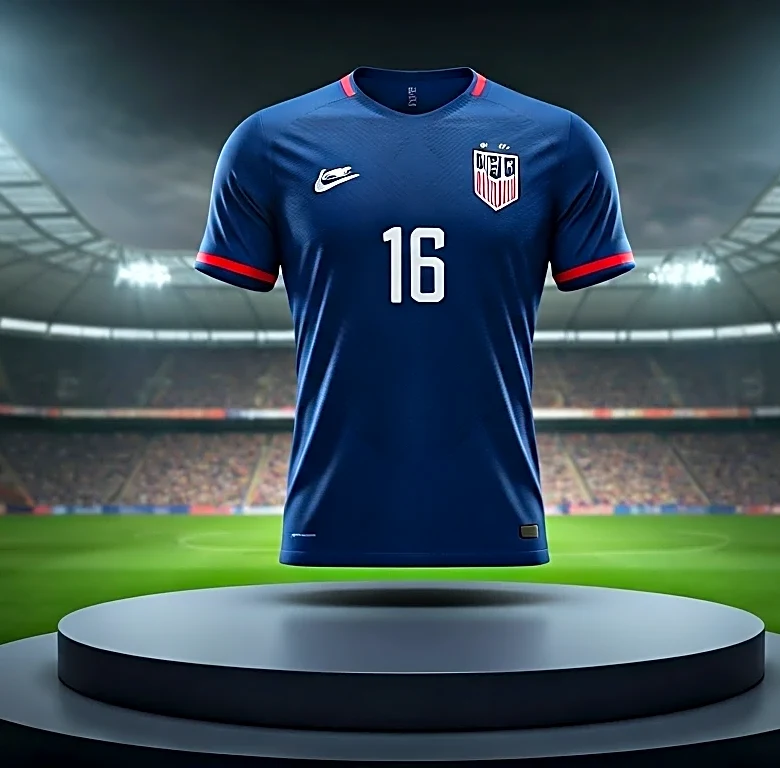
a tournament; it’s a month-long cultural festival where national identity is performed, celebrated, and, crucially, worn. We saw a preview of this during the 1994 World Cup, the last time it was hosted stateside. The iconic—if controversial—denim-and-stars U.S. kit became a defining visual of the era. In 2026, with matches in major cities from Los Angeles to New York, the U.S. Men's National Team jersey won't just be sportswear. It will be the unofficial uniform for millions of Americans participating in a national moment, turning streets, bars, and fan zones into a sea of red, white, and blue.
Fashion's 'Blokecore' Moment Arrives
While the World Cup provides the stage, a global fashion trend has already been setting it. You may have seen it on TikTok or in streetwear lookbooks: it’s called “blokecore” (or “terrace style”). The aesthetic romanticizes the look of a classic, salt-of-the-earth British soccer fan—think straight-leg jeans, Adidas Sambas, and a vintage-style soccer jersey. For the past couple of years, this trend has been pulling soccer shirts out of the stadium and onto the runway and the high street. Brands like Balenciaga have released their own jersey-inspired tops, while celebrities like Bella Hadid and A$AP Rocky have been photographed in vintage club kits. This trend has done critical work by reframing the soccer jersey not just as fan apparel, but as a legitimate, retro-cool fashion item. By 2026, the American public will already be primed to see the jersey as a style choice.
Soccer Finally Becomes 'Cool'
Let’s be honest: for a long time, soccer’s place in the American mainstream was precarious. It was the sport kids played but adults forgot. That is no longer the case. The phenomenal success of 'Ted Lasso' introduced millions to the emotional and communal world of the sport, making its culture accessible and charming. The rise of celebrity ownership in MLS—from Will Ferrell (LAFC) to Matthew McConaughey (Austin FC)—has added a layer of Hollywood glamour. The sport is now firmly embedded in pop culture. This cultural saturation means the symbols of the game, especially its most visible one—the jersey—no longer feel foreign or niche. Wearing a Christian Pulisic or Tyler Adams jersey in 2026 will be as natural as wearing a LeBron James jersey is today. It signals participation in a conversation that everyone is having.
The All-Important Design and Marketing
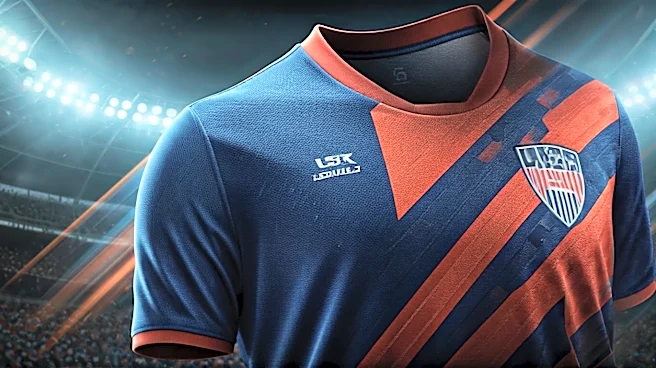
All these factors create the opportunity, but one thing will determine whether it’s seized: the jersey itself. Nike, the long-time apparel sponsor for U.S. Soccer, knows this. After facing significant fan backlash for what many considered bland or uninspired designs for the 2022 World Cup, the pressure is immense for 2026. This isn't just about outfitting a team; it's a multi-million dollar merchandising opportunity. We can expect Nike to pour immense resources into creating a kit that tells a story, resonates with American culture, and, most importantly, looks good off the pitch. They will be aiming for a design that works as well with jeans and sneakers as it does with shorts and cleats. The goal won’t be to just create a great soccer jersey, but to create 2026’s must-have piece of apparel.