




The Ultimate Outsider
Before she was Supergirl, Kara Zor-El was a refugee. Unlike her famous cousin, who arrived on Earth as an infant, Kara was a teenager when Krypton exploded. She remembers her home, her parents, and the world she lost. This backstory makes her a classic
immigrant narrative, amplified to a cosmic scale. She carries the trauma of displacement and the quiet ache of being the 'other' in every room she enters. While her peers were worried about prom, she was grappling with the literal death of her civilization. This fundamental disconnect—trying to navigate human high school while mourning an entire planet—is the foundation of her isolation. It’s a feeling many viewers connect with, not because they’re aliens, but because they’ve felt like they don't quite belong, whether due to their background, culture, or personal history. She’s constantly code-switching, not between languages, but between her Kryptonian past and her human present.
The Weight of the Secret
For much of her early life on Earth, Kara Danvers couldn't be Kara Zor-El. Her powers were a secret to be managed, a burden to be hidden. This creates a specific, modern type of loneliness rooted in the fear of being truly seen. Living a double life means you can never fully be yourself with anyone. Friends know Kara Danvers, the slightly clumsy but kind assistant or reporter. The world sees Supergirl, the powerful demigod. But very few get to see the person who is both. This emotional compartmentalization is exhausting and deeply isolating. In an age of curated social media feeds and the pressure to present a perfect version of ourselves, Kara's struggle is a superheroic take on impostor syndrome. She constantly worries that if people knew the whole truth, they wouldn't accept her. It’s the fear that her power makes her a freak, not a hero, and that loneliness is the price of keeping everyone safe.
Living in Superman's Shadow
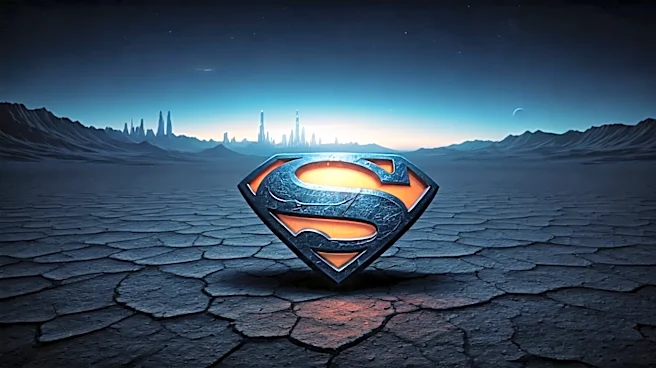
Imagine having the most famous, beloved person on the planet as your cousin. Now imagine you have the exact same abilities. The pressure to live up to the legacy of the 'S' shield is another profound source of Kara's isolation. Superman is the benchmark, the ideal. For a long time, she isn’t judged on her own merits but by how she compares to him. This is a deeply relatable dynamic for anyone who has felt overshadowed by a successful sibling, parent, or predecessor. It’s the loneliness of feeling like you’re a cover song, not an original artist. While she deeply loves Clark, his mere existence sets an impossibly high bar that complicates her journey of self-discovery. Her path isn’t just about becoming a hero; it’s about becoming *her own* hero, distinct from the man who defined the role. This struggle to carve out her own identity while honoring a family legacy is a universal tension.
The Last Daughter's Survivor Guilt
The most profound layer of her loneliness is existential. As one of the last survivors of Krypton, she carries a unique form of survivor's guilt. Why did she live when millions, including her parents, died? This isn't just sadness; it's a cosmic weight that informs her every action. It fuels her desire to protect Earth, her adopted home, with a fierce desperation that Superman, who never knew Krypton, doesn't quite share. This is explored brilliantly in comic storylines like *Supergirl: Woman of Tomorrow*, where her journey through space is a direct confrontation with her grief and isolation. Her loneliness isn't just a mood; it’s a core part of her identity, forged in the debris of a dead star. It's what makes her rage so potent and her compassion so profound. She fights for humanity because she knows, better than anyone, what it feels like to lose it.