



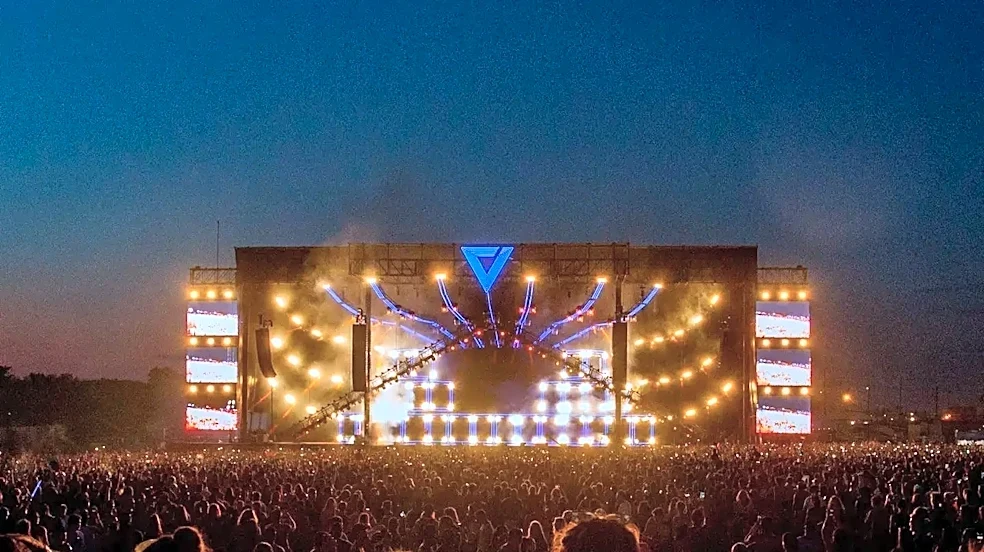

From Parking Lot Party to Cultural Institution
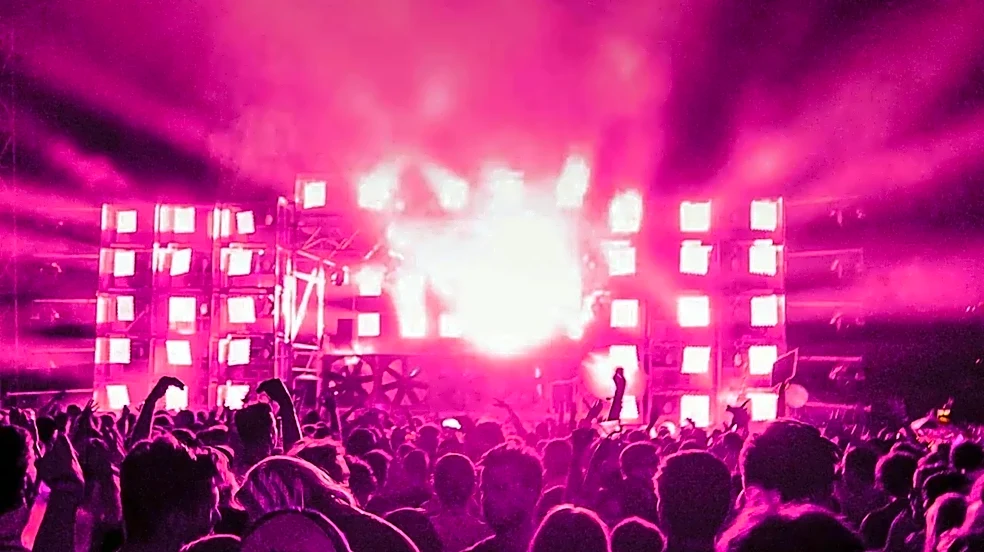
Before it was a 40,000-person pilgrimage at Dodger Stadium, Camp Flog Gnaw was a wild idea. It started in 2012 as a much smaller affair, essentially a block party centered around Tyler, the Creator and his provocative hip-hop collective, Odd Future (short
for Odd Future Wolf Gang Kill Them All). Hosted in the parking lot of a club, the first event was a raw extension of the group's chaotic energy, blending music, skate culture, and irreverence. That initial DNA—born from LA's Fairfax scene—has never faded. Even as the festival grew into a massive production with carnival rides and blockbuster headliners, it retained the core feeling of an artist-led gathering, a personal invitation into Tyler’s world. This origin story is crucial; the festival wasn’t a corporate venture but an organic creation, built from the ground up by artists who defined a specific era of LA youth culture.
A Lineup That Sounds Like LA
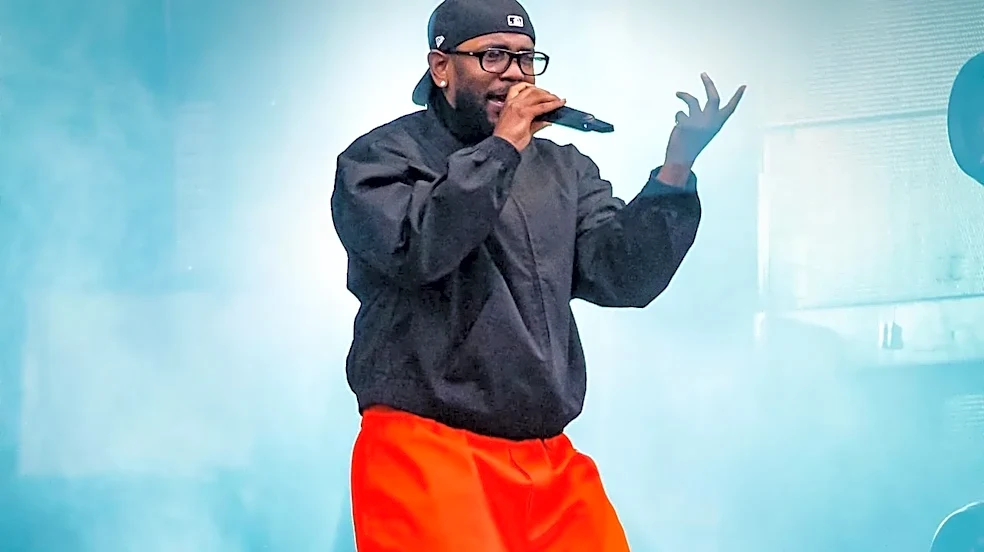
Los Angeles has never been a city confined to a single sound, and Camp Flog Gnaw's lineup is a perfect mirror of that reality. Tyler, the Creator’s own musical evolution from abrasive rap to complex arrangements of jazz, soul, and pop is reflected in his curation. One moment, you can watch a hardcore band like Turnstile ignite a mosh pit; the next, you're swaying to the psychedelic soul of an artist like Steve Lacy. The festival consistently blends hip-hop legends with rising indie acts, R&B vocalists, and experimental producers. It’s a space where Odd Future alumni like Earl Sweatshirt and Syd share a bill with genre-defying newcomers. This isn’t chaos; it’s a deliberate reflection of how real people, especially in a culturally diverse city like LA, actually listen to music: with curiosity and without rigid genre boundaries. The festival expects its audience to be as open-minded as its curator.
The Importance of Place
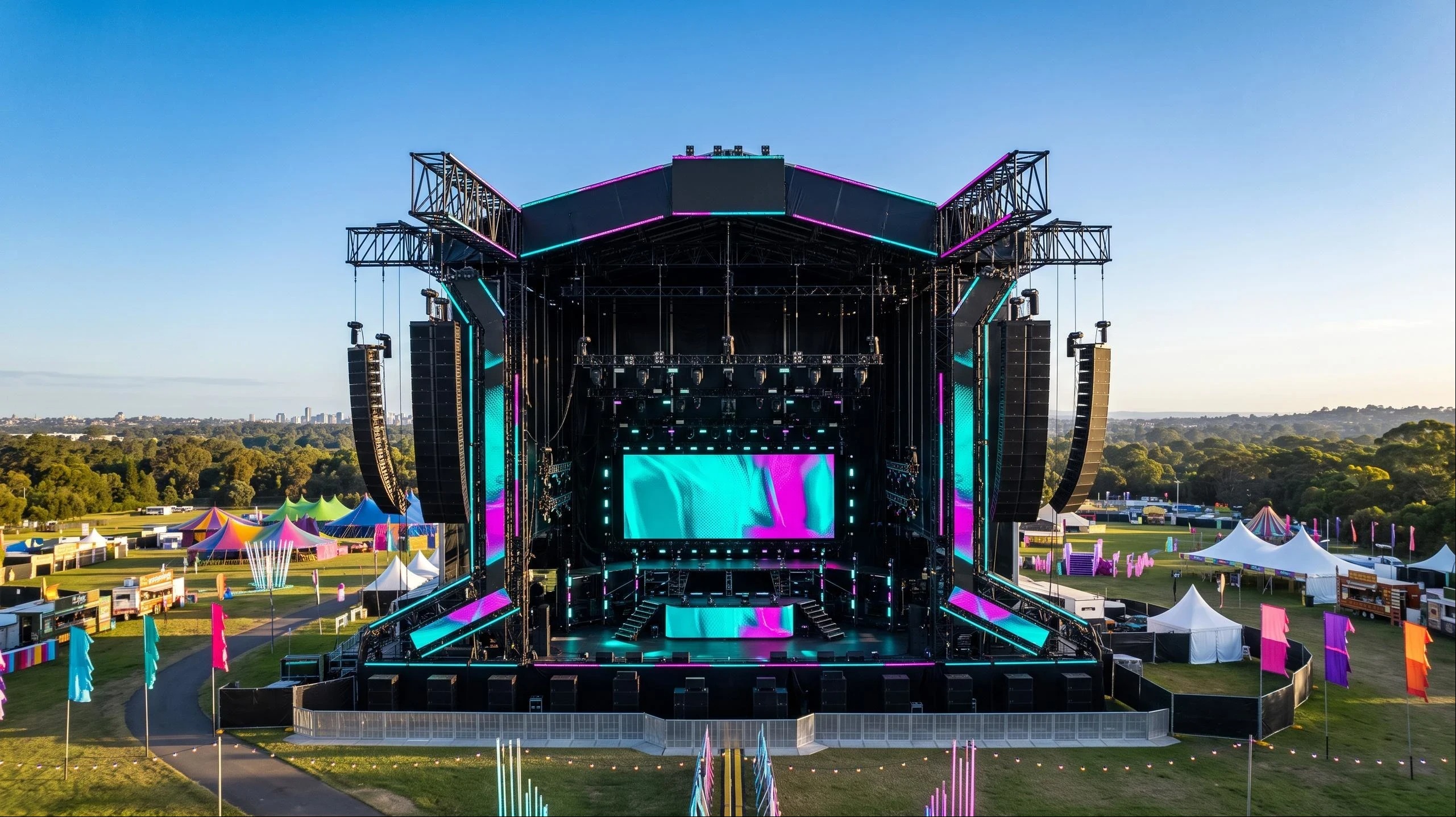
Hosting Camp Flog Gnaw at Dodger Stadium isn't just a matter of capacity; it's a symbolic choice. The venue is a quintessential Los Angeles landmark, grounding the festival in the city's physical and cultural geography. Unlike a generic festival ground, Dodger Stadium provides an iconic backdrop that feels inherently connected to LA's identity. For two days, Tyler transforms this ballpark into a playground for 'misfits,' a carnival landscape dropped into the heart of the city. The carnivalesque atmosphere, complete with a massive Ferris wheel, games, and food, is a core part of the experience, creating an immersive world that feels distinct from a standard concert series. It's a temporary, self-contained universe that still feels completely, unmistakably LA.
More Than Music: It's a Whole Vibe
Camp Flog Gnaw is as much about the culture surrounding the music as the music itself. The festival grounds are a vibrant showcase of Los Angeles street style, where fashion is a form of self-expression. Attendees arrive in bold, colorful outfits, many wearing pieces from Tyler’s own Golf Wang and Golf le Fleur brands, turning the asphalt into a runway. This aesthetic is deeply intertwined with LA’s skate and streetwear scenes, which Odd Future helped popularize globally. The festival is a celebration of individuality and authenticity, a space where the 'weird kid' is the main character. It’s a physical manifestation of the subculture that Tyler and his peers fostered—a world built on creative freedom, humor, and a refusal to conform.