



It’s the Pre-Wedding Event with No Clear Rules
A wedding has defined attire: black-tie, cocktail, or formal. A bachelorette party is for fun, often sparkly, outfits. But an engagement party? It exists in a stylistic gray area. It’s celebratory, but not the main event. Dress codes are often unstated,
leaving guests to guess. Is it a casual backyard barbecue or a chic restaurant dinner? This ambiguity is the primary source of stress. Unlike other wedding-related events, the engagement party is less traditional and more personality-driven, so its formality can range from jeans-appropriate to cocktail-required. Without clear guidelines, you’re left to decode the invitation, venue, and time of day like a fashion detective.
You Need to Look Great, But Not Too Great
Herein lies the central conflict. You want to look festive, polished, and celebratory. But the number one rule of all wedding-adjacent events is simple: don’t upstage the couple, particularly the bride-to-be. This means avoiding white, ivory, cream, or anything in the bridal color family. Beyond color, it’s about avoiding anything overtly scene-stealing. An outfit that is excessively revealing, flashy, or dramatic can inadvertently pull focus. The goal is to be a stylish supporting actor, not the lead. You’re aiming for “effortlessly chic guest who understands the assignment,” which is a tougher look to nail than just “hottest person in the room.”
It’s a Party of First Impressions
For many, an engagement party is the first time different social circles merge. You might be meeting the bride's extended family, the groom's childhood friends, or their work colleagues for the very first time. This adds a layer of social pressure to your outfit choice. You want to make a good impression that feels authentic to you while still being respectful of the occasion. Your outfit is part of that introduction. It signals that you recognize the importance of the event and are there to celebrate the couple thoughtfully. No one wants their first meeting with their friend's future mother-in-law to be in an outfit that feels inappropriate or out of place.
The Dress Code Is Often Implied, Not Stated
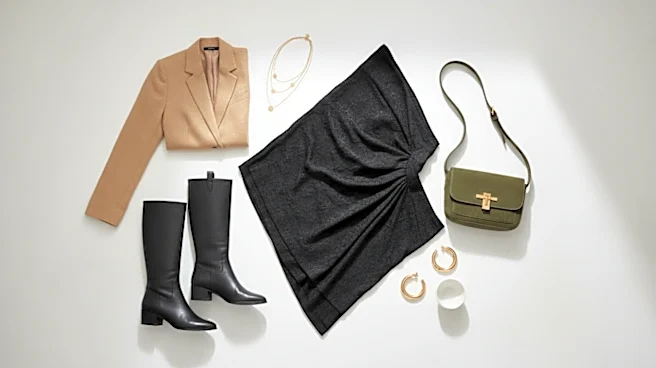
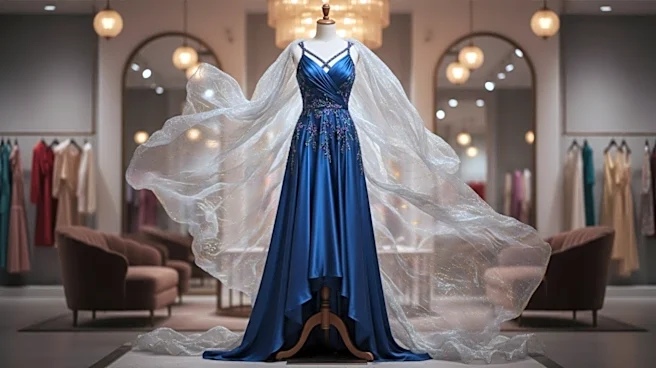
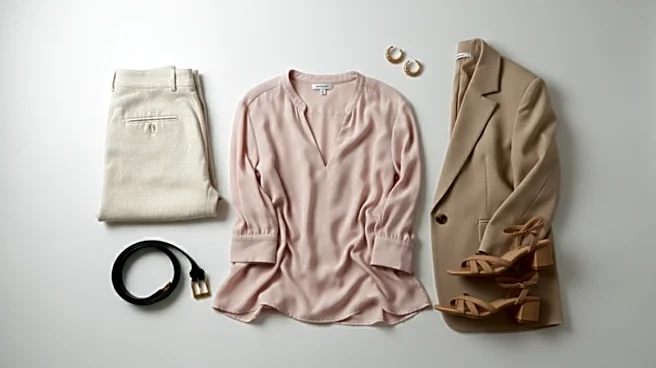
Many hosts, in an effort to be laid-back, will skip a formal dress code on the invitation. While well-intentioned, this creates confusion. To crack the code, look for clues. The venue is your biggest hint. A party at a fancy steakhouse or country club calls for cocktail attire—think a nice dress, a stylish jumpsuit, or a blazer and trousers. A backyard or brewery party suggests a more casual but still polished look, like a sundress or smart separates. The time of day also matters; evening events tend to be dressier than daytime ones. If you're truly stumped, it’s better to be slightly overdressed than underdressed.
The Photo Factor Is Real
This is likely the first of many, many photos that will document the couple's journey to the altar, and as a guest, you'll be in them. These aren't just casual snaps; they're keepsakes. That knowledge adds pressure to choose an outfit that photographs well and feels timeless. This means considering colors and fabrics that won’t clash with the couple or the setting. Jewel tones, soft pastels, and sophisticated neutrals are often recommended because they look great in photos without demanding all the attention. It’s also wise to pick something you feel genuinely comfortable and confident in, as that comfort will show on camera.