




The Court of Public Opinion
Before a single frame of footage is locked, the battle for a film’s success is often fought online. In the age of social media, fan communities have become incredibly powerful, capable of building a groundswell of support or derailing a project’s buzz
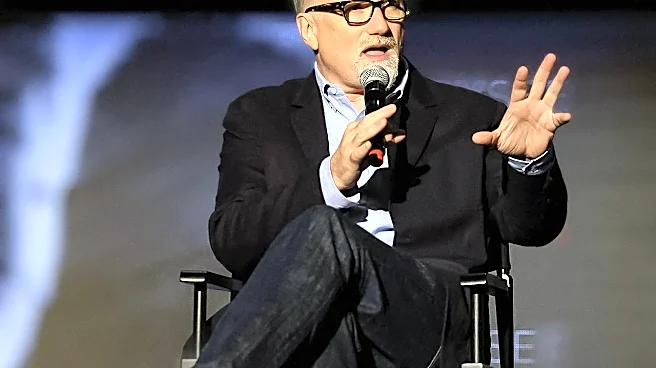
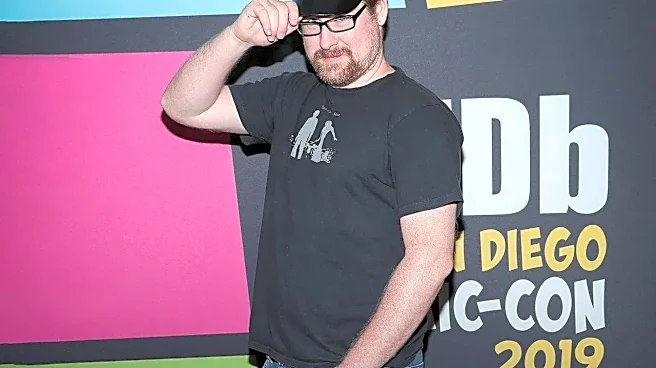
with a single viral hashtag. San Diego Comic-Con is where this digital discourse gets a physical stage. It's the ultimate focus group, where directors must face their most passionate—and potentially most critical—audience directly. Defending a casting choice here isn't just about answering a question; it's about managing a narrative. It's a preemptive strike against negative sentiment, an attempt to get ahead of fan backlash before it hardens into conventional wisdom. A director’s impassioned speech can reframe the conversation, transforming online skepticism into intrigued curiosity. They are there to connect directly with the core audience, knowing that these dedicated fans can become powerful advocates who spread the word through social media and word of mouth.
Protecting the Artistic Vision
Beyond the realm of public relations, the Hall H stage serves as a pulpit for artistic integrity. When a director defends a casting choice, they aren't just placating fans; they are evangelizing their creative vision. They have the unique opportunity to explain the 'why' behind a decision that might seem baffling in a press release. It's their chance to articulate why a particular actor embodies the soul of a character, even if they don't match the fan art. This moment is a plea for trust. The director is asking the audience to believe in their process and to see the actor through their eyes. History is filled with examples of casting choices that were initially met with outrage but are now considered iconic, from Michael Keaton’s Batman to Heath Ledger’s Joker. Even Mark Ruffalo expressed nervousness about facing fans at Comic-Con before 'The Avengers' release, only to become a fan-favorite Bruce Banner. Directors understand this arc and use the panel to start convincing the audience that their choice, too, will eventually be vindicated.
The Billion-Dollar Feedback Loop
Comic-Con is a massive marketing event for movie and television companies. The stakes are astronomical. A film’s reception in Hall H can set the tone for its entire promotional campaign, and studios invest heavily in creating immersive experiences to get fans excited. When a director steps onto that stage, they are on the front lines, defending a multimillion-dollar investment. Positive buzz generated at the convention can amplify a film's marketing for months, creating a wave of organic enthusiasm that paid advertising can't replicate. Conversely, a disastrous panel or a poorly handled controversy can create a PR crisis that haunts the film until its release. Directors become the primary spokespeople tasked with ensuring the studio’s investment pays off. Their ability to connect with the audience and build confidence in the project is a crucial part of the modern blockbuster formula, turning the massive gathering into a high-stakes environment for fan engagement and brand loyalty.
From Backlash to Buy-In
Ultimately, the goal of a public defense is conversion. The aim is to transform fan backlash into genuine buy-in. While some controversies are fueled by racism or sexism, as seen with the reaction to Black actors in 'The Hunger Games,' many stem from a deep, protective love for the source material. A successful defense at Comic-Con doesn’t dismiss that passion; it channels it. By showing their own respect for the characters and explaining how their casting choice honors that legacy in a new way, directors can make fans feel heard while still holding their artistic ground. It's a delicate dance of acknowledging fan expectations while asserting creative freedom. When done well, a director’s passionate and clear reasoning can be incredibly persuasive. It can turn skeptics into advocates and prove that while fans know what they love, the filmmaker might just see something they haven't yet. It reinforces the idea that acting is about convincingly portraying a character, a fact that can get lost in the heat of online debate.