


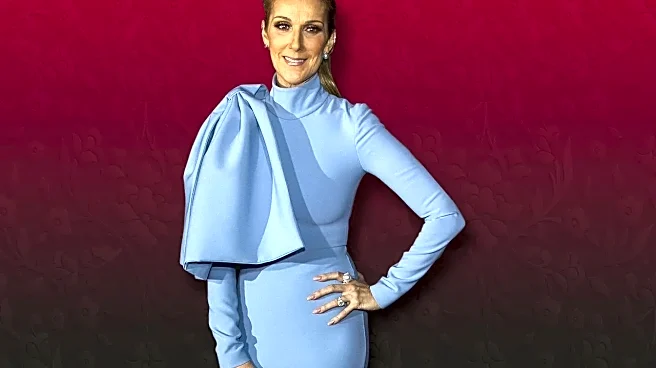
The Pre-Fitting Gauntlet
The journey to a flawless red carpet moment begins weeks, sometimes months, before the festival. A stylist’s role is part creative director, part logistician. They collaborate with designers to select or create a custom look that aligns with the celebrity’s
personal brand and the event's tone. Once a gown is chosen, the real work starts. Fit is everything. An ill-fitting dress can lead to constant tugging and adjusting on the carpet. Stylists often have a seamstress on hand for multiple fittings, sometimes even on the day of the event, to make last-minute adjustments. These fittings aren't just about taking measurements; they are dress rehearsals for the main event.
The All-Important Sit Test
A premiere at TIFF involves more than just standing and posing. Stars have to sit in a car, during interviews, and through the film screening itself. A dress that looks stunning while standing can become a wrinkled, bunched-up mess after five minutes of sitting. Stylists rigorously test fabrics for their wrinkle-resistance. For delicate materials like silk or satin, they might use a portable steamer right before the celebrity exits the car. They also check how the dress behaves when seated. Does it ride up? Does a slit become too revealing? Sometimes, temporary stitches are added to hold pleats or draping in place, only to be removed later. The goal is to ensure the dress looks as pristine for the post-screening Q&A as it did on the red carpet.
Mastering the Red Carpet Walk
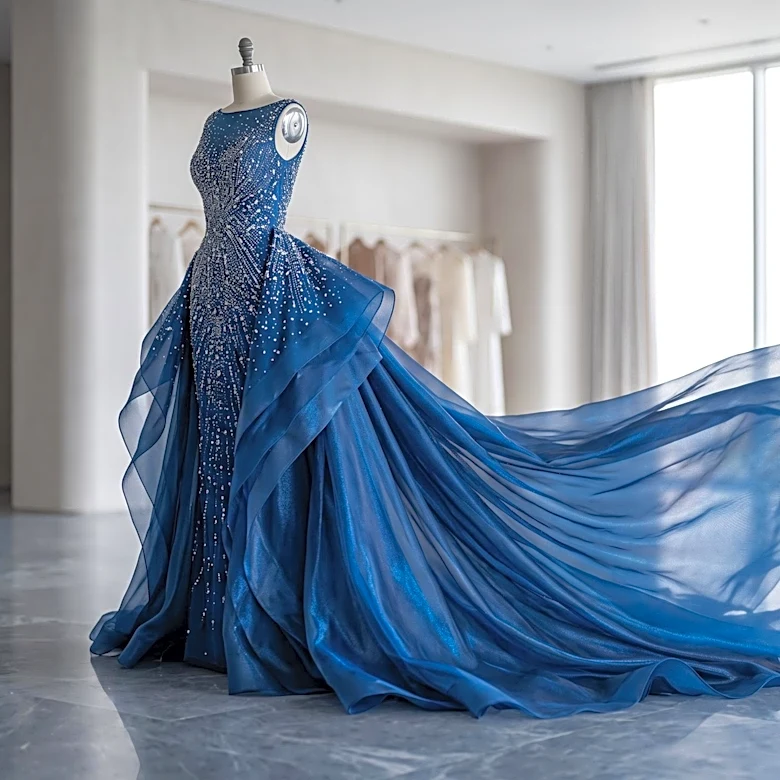
Walking in a couture gown is a skill. Long trains, voluminous skirts, and sky-high heels create a high-stakes obstacle course. Stylists conduct walking practice sessions to ensure the star can move confidently. They might slightly shorten a hem that constantly gets caught under a heel or use a leather hole punch to add an extra, tighter hole to a shoe strap for more security. For slippery shoes, some stylists swear by a swipe of deodorant on the sole of the foot to prevent it from sliding. If a gown has a dramatic train, a stylist will often be waiting just off-camera to arrange it perfectly for photographers before the star begins their walk.
Ready for Your Close-Up
During a film festival, much of the press happens while seated, meaning the top half of an outfit is what gets the most screen time. Stylists pay special attention to the neckline and bodice. A deep-V neckline might be secured with toupee tape—a double-sided adhesive originally made for men's hairpieces that is famously strong—to prevent any wardrobe malfunctions. They also consider how the fabric and color will appear under harsh television lighting. A shade that looks beautiful in person can wash out a celebrity on camera. Intricate details like beading or lace near the face can add visual interest for close-up shots, making the look just as compelling during an interview as it is in a full-length photo.
The Stylist’s Emergency Kit
Every seasoned stylist arrives at a premiere armed with a fashion first-aid kit. This kit is the secret weapon against any last-minute disaster. Common contents include everything from the obvious, like safety pins and a miniature sewing kit, to the ingenious. A deodorant-removing sponge can instantly erase white marks, while an anti-static spray prevents clinging. Stain-remover wipes, blister pads, and extra earring backs are also staples. For major structural support or tailoring on the fly, adhesive buttons and powerful fashion tape are non-negotiable. This kit ensures that no matter what happens between the hotel and the red carpet, the look remains flawless.