


The Digital-First Bet
The single biggest question facing every studio marketing chief is how to split the budget between traditional and digital media. In 2026, the answer is increasingly digital-first. While TV spots during major sporting events are still a costly part of
the playbook, the real battle for audience awareness is won or lost on social media. Recent industry data shows that digital channels can account for nearly 60% of a major film's promotional budget, with short-form video on platforms like TikTok being a massive slice of that pie. A digital-first strategy, which prioritizes online trailers and social campaigns in the crucial early weeks, has been shown to generate significantly higher audience awareness and advance ticket sales compared to campaigns that lead with broadcast TV. This means studios must decide not just if they'll use TikTok, but how they'll use it—from paying influencers to creating authentic, meme-worthy content that doesn't feel like a stale ad.
The Creator & Influencer Gamble
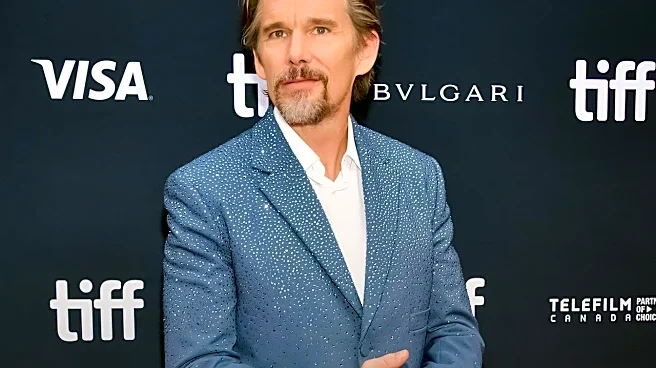
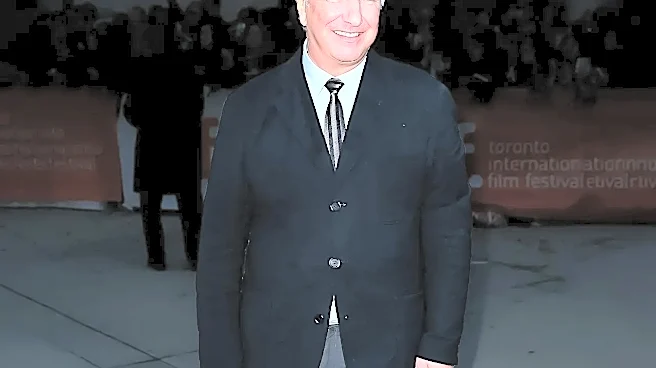
It’s no longer enough to just have your A-list stars on talk shows. Studios are now making calculated decisions about which online creators to partner with. This has evolved beyond just paying a popular user to post a trailer. Today, it involves embedding creators directly into the film's ecosystem. Major film festivals like the Toronto International Film Festival now have official partnerships with platforms like TikTok, giving creators access to host screenings and Q&As. This strategy democratizes festival buzz, allowing smaller, independent films to gain massive traction without a blockbuster budget. For big studios, the decision lies in finding the right niche influencers—like sports-focused accounts for a football-themed thriller—who can turn a passive trailer view into an active online debate, reaching audiences that traditional ads can't touch.
The Nostalgia vs. Novelty Push
For every new, original idea, there's a reboot or sequel banking on audience familiarity. This creates a critical marketing decision: do you lean into nostalgia or sell something entirely new? For legacy properties, the strategy is often to mirror iconic scenes and quotes from the original to activate the built-in fanbase, sometimes even hiding new elements (like a musical format) to avoid alienating purists initially. Conversely, marketing a wholly original film requires a 'remarkable' hook—a publicity stunt, an immersive pop-up experience, or a viral challenge that gets people talking about something they've never seen before. A marketing campaign that relies too heavily on an actor's previous success without creating a unique identity for the new film can fall flat, proving that even star power needs a smart angle.
The Data-Driven Targeting Choice
Gut feelings are out; data analytics are in. Studios are now using sophisticated attribution models to see exactly which ads are driving ticket sales. This allows them to make smarter decisions in real time, shifting money from an underperforming channel to one that’s delivering results. The key decision here is how granular to get. Marketing teams can now target audiences based on incredibly specific signals, such as their favorite movie genres or even their price sensitivity for tickets. This analytical approach helps studios pinpoint their most likely viewers and tailor messaging directly to them, minimizing financial risk on marketing campaigns that can sometimes cost more than the film itself. It's less about reaching everyone and more about effectively reaching the right one.