







The Old Playbook Is Fading
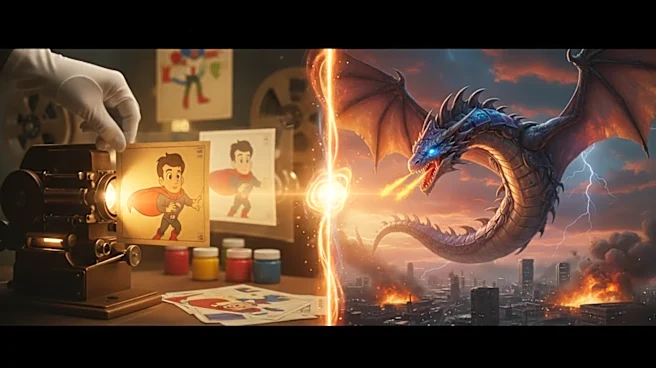
For years, the formula was simple and effective: create a successful animated film, then ride the wave with sequels, TV shows, and merchandise. This was the era of 'animated sequel energy'—a dependable, family-friendly model that generated consistent,
if not always explosive, profits. Think of the endless stream of follow-ups that populated Saturday morning cartoons and toy aisles. This strategy was about building a brand brick by brick, sequel by sequel. It was safe, it was profitable, and it kept the lights on. The goal wasn't necessarily to create a cultural earthquake with every release, but to maintain a steady, revenue-generating hum. For a long time, this was the smartest play in town.
The Allure of the Billion-Dollar Spectacle
Then came the age of 'event cinema'. This is the new Holy Grail: a live-action blockbuster so massive it becomes a can't-miss cultural moment. Spurred on by the colossal success of Disney's live-action remakes and the Marvel Cinematic Universe, studios saw the monumental upside. Films like the live-action remakes of 'The Lion King' and 'Aladdin' grossed over a billion dollars worldwide, dwarfing the returns of many animated sequels. The appeal is undeniable: a single live-action hit can redefine a franchise, dominate the global box office, and create a merchandising empire overnight. It’s a strategy built on chasing giants, trading the security of a modest profit for a shot at astronomical returns and global dominance.
Case Study: The Turtles' Two Shells
Nowhere is this pivot clearer than at Paramount with the 'Teenage Mutant Ninja Turtles'. After the successful animated reboot 'Mutant Mayhem' in 2023, which leaned into a youthful, stylized energy, the studio's next big move was supposed to be a dark, R-rated live-action adaptation of the popular 'The Last Ronin' comic. However, plans shifted, and the R-rated project was put on hold in favor of a new, family-friendly live-action approach inspired by the success of the 'Sonic the Hedgehog' movies. This internal tug-of-war exemplifies the trend perfectly: while animation provides a solid foundation, the ultimate prize is seen as a four-quadrant, live-action blockbuster that can be 'Sonic-fied' into a billion-dollar franchise.
Risk, Reward, and Audience Fatigue
This pivot is not without immense risk. Live-action event films are spectacularly expensive to produce and market. A flop doesn’t just mean a loss; it can crater a studio's entire quarterly earnings and jeopardize the future of a beloved franchise. The 2016 live-action 'Teenage Mutant Ninja Turtles: Out of the Shadows' was a box office disappointment that put the live-action side of the franchise on ice for years. Furthermore, there's a growing sense of audience fatigue with remakes that are perceived as cynical cash grabs. While many live-action adaptations are hugely successful, others fail to capture the magic of the animated originals, leaving fans and critics cold. The line between a billion-dollar hit and a costly write-down is perilously thin.