





An Unmistakable Vibe Shift
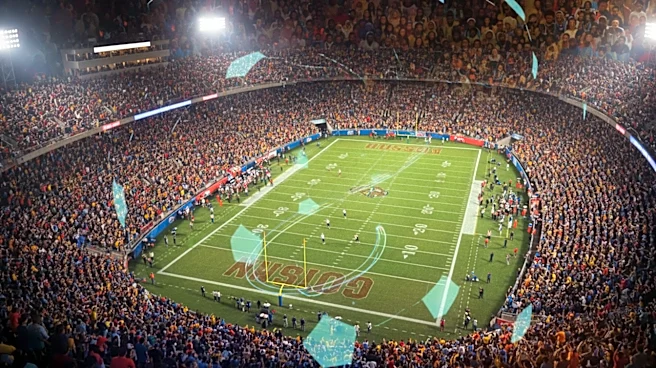
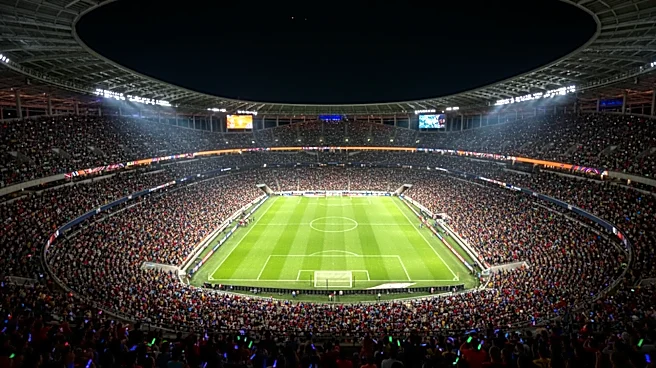
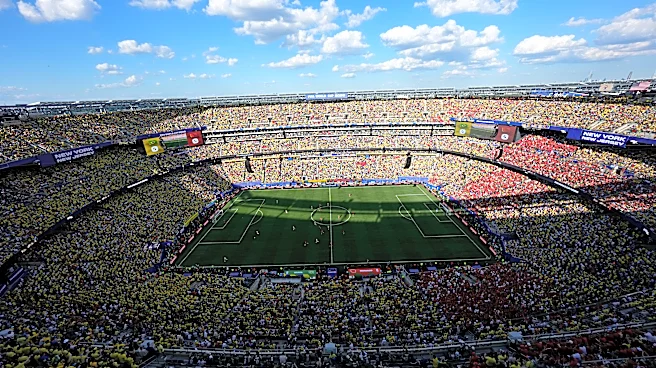
From the jump, this tournament has felt like a nationwide festival. Despite early concerns about high ticket prices and logistical hurdles, the reality on the ground has been one of jubilant, packed-out venues and public spaces. Through the first several
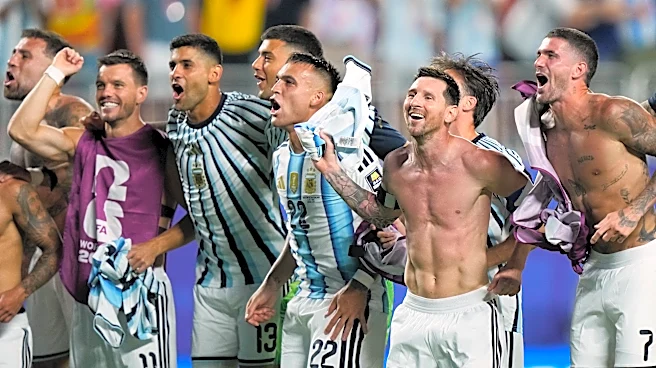
dozen matches, stadiums have reported nearly 100% occupancy, with attendance figures shattering previous records. In cities like Seattle, Kansas City, and Philadelphia, official fan zones and impromptu street parties have become the norm, drawing tens of thousands of people to watch matches on massive screens. This isn't just happening in major coastal hubs; the energy is palpable across all 11 U.S. host cities, creating a sense of a shared national experience that extends far beyond the pitch. The visual is undeniable: a sea of faces, both international visitors and homegrown fans, united in a way America's typically fragmented sports culture rarely sees.
This Isn't 1994 Anymore
To understand 2026, you have to look back at the last time the U.S. hosted the men's World Cup in 1994. Back then, soccer was a niche sport, and the tournament was seen as an attempt to introduce the game to a skeptical American public. It worked, to a degree—it broke attendance records and led directly to the formation of Major League Soccer (MLS) in 1996. But in 2026, the World Cup arrived in a completely different country. The U.S. is now a nation where soccer has had 30 years to put down roots through MLS, which has grown from 10 teams to 30. It’s a country where demographic shifts have woven soccer culture into the mainstream, and where a generation of fans has grown up watching the English Premier League on Saturday mornings and playing FIFA on their consoles. The fans in 2026 aren't being introduced to soccer; they are celebrating a sport that is already a significant part of their lives.
The Power of a Homegrown Foundation
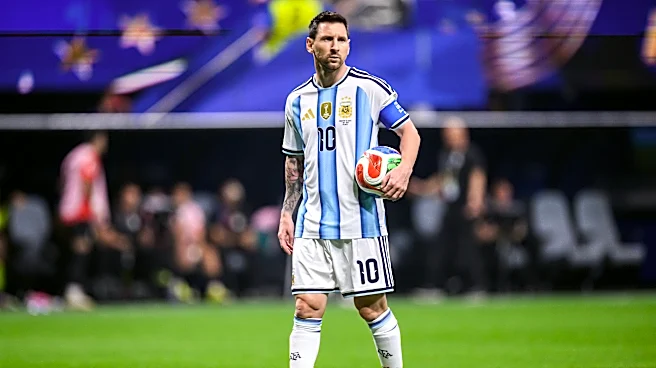
The success and visibility of MLS cannot be overstated. While the league struggled in its early years, it has steadily built a loyal following. Today, millions of fans watch MLS games weekly, and the league boasts a massive social media following. This created a bedrock of soccer knowledge and passion that didn't exist in 1994. Americans now have local clubs to root for, building the tribalism and community that are essential to sports fandom. The arrival of global superstars like Lionel Messi to Inter Miami in 2023 only amplified this interest, drawing unprecedented attention to the domestic league. This pre-existing infrastructure means the World Cup is not a novelty event but the pinnacle of a sport that millions of Americans already follow week in and week out. The tournament's energy is amplifying an existing fire, not trying to light one from scratch.
A Digitally Connected National Block Party
Another crucial difference between 1994 and 2026 is technology. In 1994, a great moment in a stadium largely stayed in that stadium. In 2026, every goal, fan chant, and crowded fan fest is instantly shared across TikTok, Instagram, and X, creating a real-time national conversation. Record-breaking television viewership numbers tell part of the story, with USMNT games drawing audiences that rival the NBA Finals or World Series. But the digital footprint is even larger. Polling shows that four in ten U.S. adults have actively followed the tournament on social media. This constant, shared experience helps stitch together the disparate events in 11 host cities into a single, cohesive narrative of a country falling in love with the beautiful game all over again—but this time, on its own terms.