




Every November, the CMA Awards serve as country music's biggest stage, but the brightest spotlight often illuminates the genre's biggest debate: what, exactly, is country music in 2026? This year, the battle lines are drawn in the top vocal categories.
The Two Sides of a Sonic Coin
For years, a friendly (and sometimes not-so-friendly) tug-of-war has defined mainstream country. On one side, you have the traditionalists—artists who build their sound on a foundation of fiddle, steel guitar, and classic storytelling. They are the torchbearers of a sound many feel is the genre's bedrock. On the other side are the modernists, who infuse their music with pop's melodic hooks, rock's arena-sized energy, and even hip-hop's rhythmic cadence. They pack stadiums and top crossover charts, pushing the genre's boundaries outward. The CMA Awards, decided by thousands of industry insiders, must somehow weigh both artistic integrity and commercial impact, leaving voters to decide which version of country music to honor. This tension is never more apparent than in the prestigious vocalist categories, which serve as an annual referendum on the soul of Nashville.
Male Vocalist: A Clash of Titans
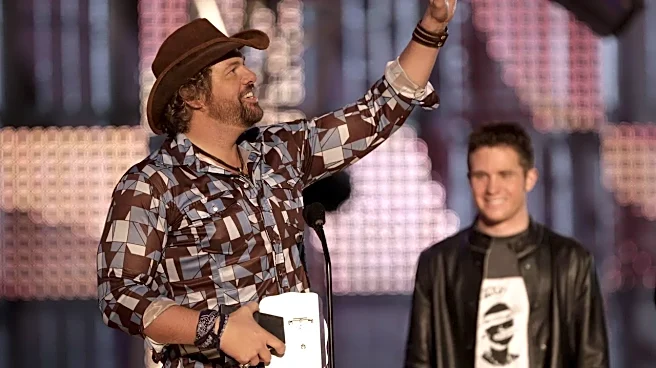
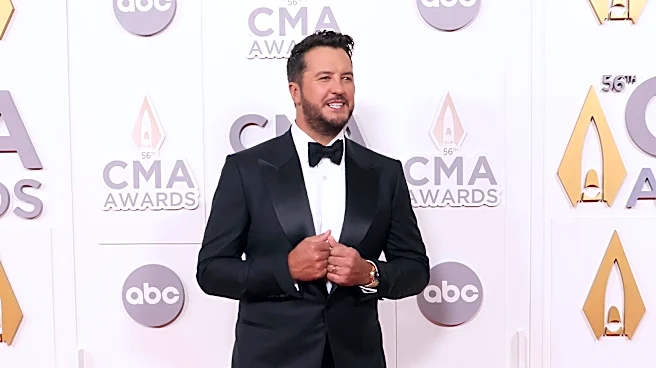
This year's Male Vocalist of the Year lineup is a perfect microcosm of the debate. You have the undeniable vocal power and neo-traditional bona fides of artists like Chris Stapleton and Cody Johnson, the reigning winner in this category. Their music feels rooted in a classic country ethos, prioritizing raw vocal performance and lyrical depth. Then you have Luke Combs, a superstar who blends traditional themes with modern, stadium-ready production that has made him a commercial juggernaut. Rounding out the category are Zach Top and Stephen Wilson Jr., two artists who represent different shades of the traditionalist revival, with Top's 'Ain't In It For My Health' earning an Album of the Year nod and Wilson Jr. picking up multiple nominations for his songwriting. A win for Johnson or Stapleton would feel like a vote for vocal purity and tradition, while a win for Combs would honor unparalleled public acceptance and chart dominance.
Female Vocalist: Pop Sensibilities and a Record-Breaking Newcomer
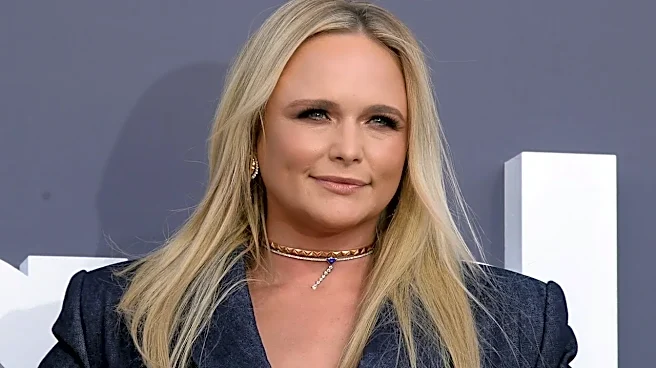
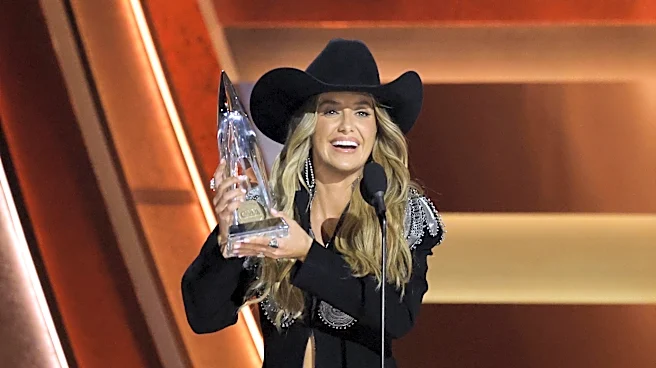
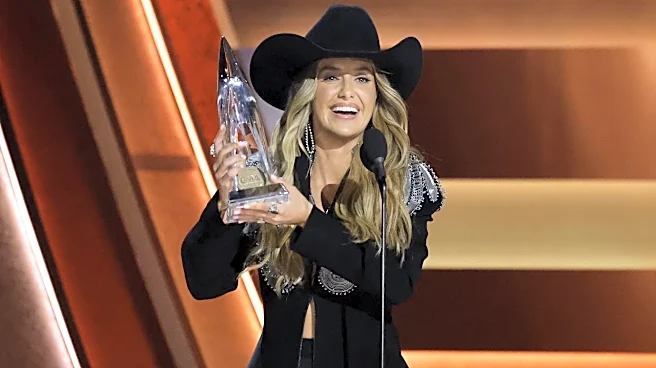
The Female Vocalist category is an even more complex reflection of country's current landscape. The field features established titans like Miranda Lambert and Kacey Musgraves, both of whom have masterfully balanced critical acclaim with evolving sounds throughout their careers. Lainey Wilson, the show's host for the third time, has become a dominant force by blending a distinct country identity with broad, cross-platform appeal. Megan Moroney represents a newer wave of singer-songwriters connecting through sharp, relatable lyrics. But the conversation this year is dominated by Ella Langley, who leads all artists with a staggering nine nominations. Langley's sound, particularly on her record-breaking hit 'Choosin' Texas,' has resonated on a massive scale, blurring the lines between country and pop and earning her nods in nearly every major category. The nominations for this category showcase a wide spectrum, from the genre-bending artistry of Musgraves to the chart-smashing phenomenon of Langley.
More Than a Trophy
Ultimately, the names called on awards night do more than just reward a year of hard work. They send a message about what the industry values at this moment. A sweep for a traditional-leaning artist could be seen as an attempt to course-correct the genre back to its roots, a sentiment some legacy artists feel is overdue. Conversely, big wins for pop-forward artists like Langley would signal that the genre's future is in its continued expansion and crossover appeal. It validates the idea that country music's tent is big enough for everyone, from honky-tonk purists to those who discovered the genre on a pop playlist. This debate isn't new, but as the sounds become more diverse and the stakes get higher, the CMA vocalist awards have become one of the most fascinating indicators of where country music is headed next.