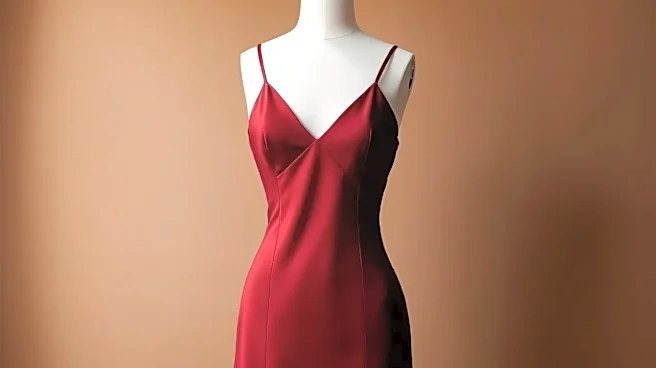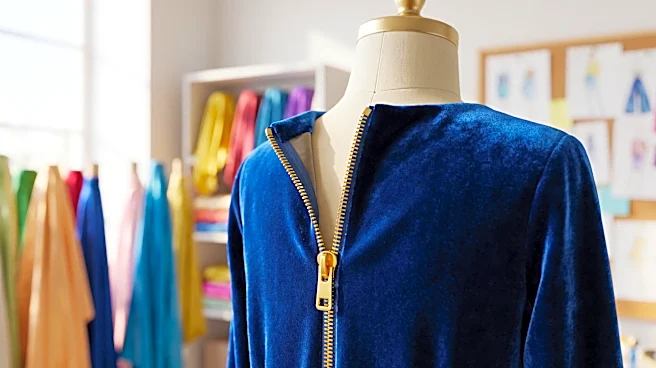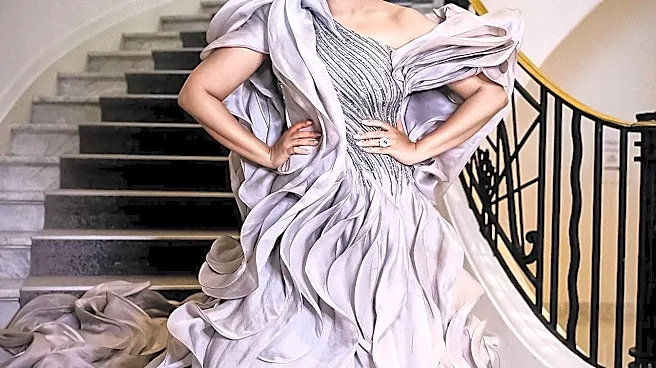


It All Starts with the Fabric
You can't build a bold shape with flimsy material. The foundation of any sculptural garment is a fabric with inherent structure and body. Designers often turn to heavyweight or densely woven textiles that can hold a crisp line or a dramatic fold. Materials
like denim, canvas, wool, and taffeta are classic choices. For more formal or avant-garde pieces, fabrics like silk faille, shantung, or gazar—a stiff silk organza famously beloved by Cristóbal Balenciaga—provide both rigidity and a luxurious finish. These textiles have a 'memory,' meaning they can be pressed and molded into a shape and will work to retain it. Without the right fabric, even the most complex internal structure will fail, as the outer material would simply collapse around it.
The Hidden Architecture
Much of the magic in a sculptural dress is completely invisible. Like the frame of a building, an internal architecture provides the support needed for dramatic shapes. This includes several key components. Interfacing, a material fused or sewn to the underside of a fabric, adds stiffness without significantly changing the look of the outer layer. For more extreme silhouettes, designers use boning. These are firm strips, once made of whalebone but now typically plastic or steel, sewn into channels within the dress lining to create a rigid cage that defines the garment's form, especially in bodices. Another secret weapon is horsehair braid, a flexible mesh netting that can be sewn into hems to make them stand out with volume or used along necklines to keep them crisp and prevent collapse.
Masterful Patterning and Manipulation
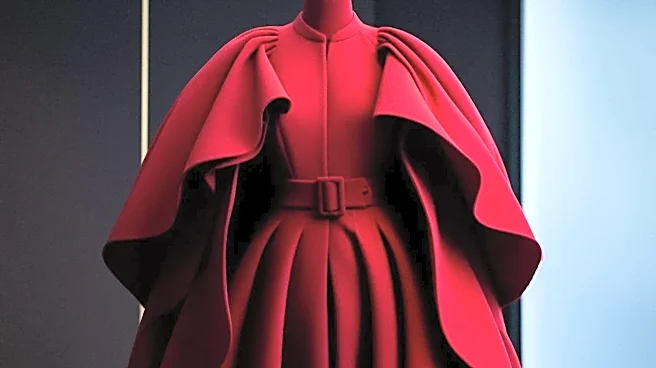
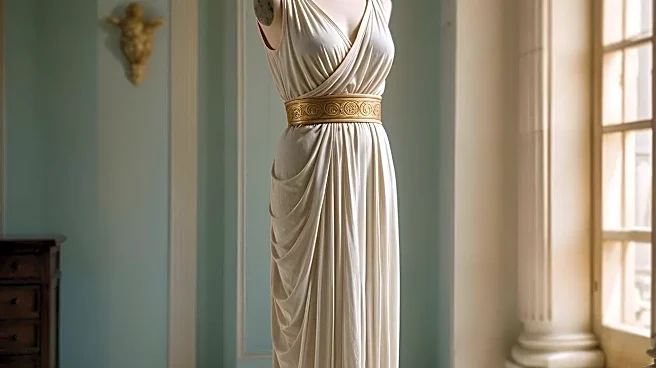
Beyond materials, the shape of the pattern pieces themselves is crucial. A flat piece of fabric is turned into a three-dimensional form through clever cutting and sewing. Techniques like darts, pleats, and gathers are fundamental tools for shaping. Darts pinch out triangles of fabric to create curves for the bust or hips. Pleating and gathering control fullness, allowing a designer to build volume in specific areas. More advanced techniques, like the 'slash and spread' method, involve cutting into a base pattern and opening it up to add flare and dramatic volume that is then built into the final garment. This is where a designer's skill truly shines, as they use these methods to mold the fabric around the body—or away from it—to create a deliberate silhouette.
The Artistry of Movement and Illusion
The final piece of the puzzle, and the one that prevents a sculptural dress from looking like a cardboard box, is the balance between structure and movement. A truly great design is not entirely rigid. Designers achieve this by being strategic. They might place heavy structure in the hips or shoulders while leaving the waist or sleeves in a softer, more fluid fabric. This contrast creates a dynamic silhouette that is both powerful and graceful. The late Alexander McQueen was a master of this, creating brutalist, architectural forms that still allowed the models to move with elegance. Modern pioneers like Iris van Herpen take it a step further, collaborating with architects and scientists to use 3D printing and unconventional materials to create forms that are both sculptural and seemingly alive, treating the body as a canvas for reinterpretation. The sculpture moves with the wearer, creating a performance rather than just a static shape.