






The Ghost in the Machine
Before any new show premieres, it is meticulously broken down into hundreds, if not thousands, of data points. This is its metadata. Think of it as the show’s digital DNA. It goes far beyond simple genre tags like 'Horror' or 'Thriller'. Metadata is the granular
detail that describes everything about the content: its tone ('dark,' 'witty,' 'dread-inducing'), pacing ('slow burn,' 'fast-paced'), plot elements ('haunted house,' 'creature feature,' 'possession'), and even character archetypes ('strong female lead,' 'morally ambiguous protagonist'). This information is the backbone of content discovery. Without it, a new show is just another title floating in a vast digital library, hoping someone stumbles upon it.
The Art of the Tag
Creating this detailed metadata is a surprisingly human process. Major streaming services employ teams of 'taggers' or 'editorial analysts' whose job is to watch content and assign descriptive keywords and attributes. These human-generated tags provide a level of nuance that AI alone can struggle to capture. For a new October horror series, this process is critical. A show like Netflix's 'Below,' a sea creature thriller, might get tagged with 'isolated community,' 'natural horror,' and 'existential dread.' Meanwhile, a prequel series like Peacock's 'Crystal Lake' gets tagged with 'slasher,' 'origin story,' and '80s nostalgia.' These specific, nuanced tags ensure that each show isn’t just thrown into the general 'horror' bucket. Instead, it’s prepared for a system designed to find its precise niche audience.
Your Watch History Is the Key
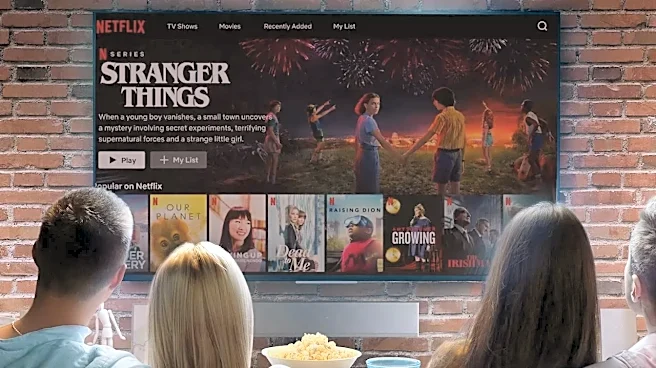
This is where your viewing habits come into play. Streaming platforms use sophisticated recommendation engines that account for up to 80% of what is watched. These algorithms don't just know that you watched a horror movie last night; they know you paused it, what time you watched, and what you chose to watch afterward. The system then cross-references the metadata of the content you've enjoyed with the metadata of new titles. This is called content-based filtering. If you consistently watch shows tagged with 'psychological thriller' and 'unreliable narrator,' the algorithm will serve you a new horror premiere with those same tags, even if you’ve never watched a show from that particular director or studio before. It’s matching the show’s DNA to your proven preferences.
Spooky Season's Secret Weapon
In a month like October, the television landscape is saturated with horror. Dozens of new and returning spooky shows are competing for eyeballs. This is where metadata becomes a studio's most powerful marketing tool. Instead of trying to out-shout every other horror premiere, metadata allows a new show to slip quietly into the personalized feeds of its ideal viewers. Mike Flanagan's 'Carrie' adaptation for Prime Video, for example, can be targeted directly to viewers who have watched other Stephen King adaptations or shows tagged 'supernatural teen drama.' It doesn't need to compete with a monster-of-the-week series for attention. By leveraging this hidden data, platforms ensure that their expensive new premieres have a fighting chance to find a dedicated fanbase, cutting through the Halloween noise to deliver the perfect scare to the right person.