





The 'Bigger is Better' Fallacy
In the age of prestige television, season finales have become cinematic events. They are packed with explosions, intricate battle sequences, and major plot resolutions that tie up a dozen different threads. For a viewer, it’s the ultimate payoff. For an Emmy
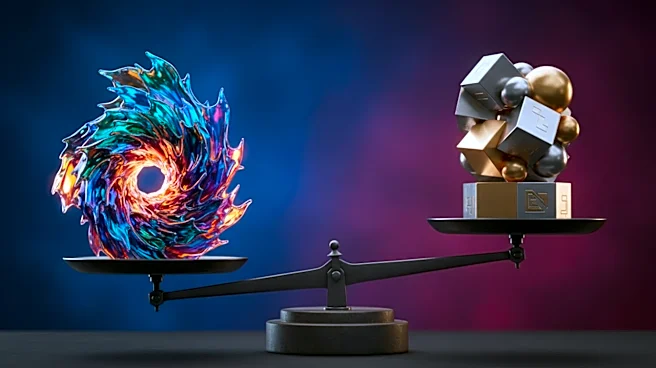
campaign, however, it can be a strategic misstep. Voters are tasked with watching an overwhelming amount of television. A sprawling, 90-minute finale that relies on a season's worth of narrative buildup can be less impactful in isolation than a tightly focused, self-contained episode. Spectacle can easily overshadow the very things Emmys reward most: nuanced performance and sharp writing. A giant dragon battle is visually impressive, but it doesn't offer the same opportunity for a searing monologue or a devastatingly quiet moment of betrayal.
The Anatomy of a Perfect 'Emmy Episode'
So, if not the finale, what makes an episode prime for submission? The answer lies in what insiders often call a 'showcase' episode. These are installments that put a magnifying glass on a specific character, relationship, or theme. Think of a 'bottle episode,' where the action is confined to a single location, forcing characters to confront each other through dialogue rather than action. Or consider an episode built around a single, powerful event that allows actors to cycle through a wide range of emotions. These episodes work because they are digestible and memorable. They provide a clear, concentrated dose of the show's best qualities, allowing a performance or a script to shine on its own merits without needing extensive backstory. For Emmy peer groups—where actors vote for actors and writers vote for writers—an episode that highlights the craft is often more compelling than one that just highlights the budget.
Case Study: The Quiet Contender
There is no better recent example of this strategy than HBO's 'Succession.' For its monumental final season, the show didn't submit its epic finale for key categories. Instead, it submitted the third episode, 'Connor's Wedding.' The episode subverted expectations by killing off its central patriarch early in the season and off-screen. The entire hour focused on the raw, real-time reactions of his children as they processed the news over the phone. It was a claustrophobic, emotionally grueling masterclass in acting and writing, and it paid off handsomely, earning Emmys for both Outstanding Writing and Directing. By choosing this episode, the 'Succession' team demonstrated a keen understanding of what resonates with voters: not the climax of the plot, but the peak of the character drama.
When Spectacle Does Work
This isn't to say that a big, expensive episode can never be the right choice. For a show like 'Game of Thrones,' the spectacle was the story. Episodes like 'Battle of the Bastards' were submitted and won precisely because they pushed the boundaries of what was thought possible on television. The technical and directorial achievement of staging a full-scale medieval battle was, in itself, the craft being showcased. The key difference is that the spectacle served the emotional and narrative stakes that had been building for seasons. However, even 'Game of Thrones' sometimes struggled when the spectacle was perceived to have overtaken the character-driven storytelling that made it beloved in the first place, a criticism often leveled at its final season.
The Voter's Perspective
Ultimately, Emmy submission strategy comes down to understanding the voter. Television Academy members are industry professionals juggling their own demanding careers while trying to review hundreds of potential nominees. They don't have time to re-watch entire seasons. A single, powerful episode that tells a complete emotional story and leaves a lasting impression is the most effective tool in a campaign's arsenal. It respects the voter's time and makes a clear, confident argument: this is our best work. It's a gamble that says more about a show's confidence in its fundamental strengths—its characters and its voice—than any pyrotechnic-filled finale ever could.