



The Emotional Ripple Effect
The first and most powerful force at play is emotional contagion. Think of it as a social-emotional Wi-Fi network that our brains automatically connect to. When the person next to you gasps, your brain's mirror neurons fire, priming you to feel a similar
jolt of surprise. When a few people start cheering with genuine joy, that feeling spreads like a wave. In a crowd of thousands, these individual emotional signals multiply and reinforce each other, creating a feedback loop of escalating intensity. What starts as one person's excitement quickly becomes the entire room's collective euphoria. It’s an unconscious process; you don't decide to catch the feeling, it just happens, transforming a simple reaction into a shared, amplified experience.
Losing Yourself in the Crowd
Another key ingredient is a phenomenon called 'deindividuation'. It’s a fancy term for what happens when you feel anonymous in a large group. Surrounded by thousands of fellow fans, your personal identity and self-awareness take a backseat. The usual social brakes you might have—feeling self-conscious about cheering too loudly or tearing up during a heartfelt panel—begin to fade. You are no longer just you; you are part of the crowd, a single, like-minded entity. This sense of anonymity lowers inhibitions, allowing for a more primal and unfiltered expression of emotion. It's not that you become a different person, but that the group setting gives you permission to be a more expressive version of yourself, united by a shared passion.
The Power of Social Proof
Humans are social creatures who constantly look to others for cues on how to behave. At an event like Comic Con, this is supercharged. When you're in a room where everyone is freaking out over a surprise announcement, it validates your own excitement. This is social proof in action. Your brain thinks, “If all these people are this invested, then my own intense feelings are not only appropriate but correct.” This external validation encourages you to lean into the emotion rather than question it. In a crowd, the group's reaction becomes the norm, and conforming to that norm feels natural and right. It's the difference between watching a shocking TV moment at home and audibly gasping, versus being in a room where a thousand people gasp with you, confirming the moment's impact.
An Environment Built for Hype
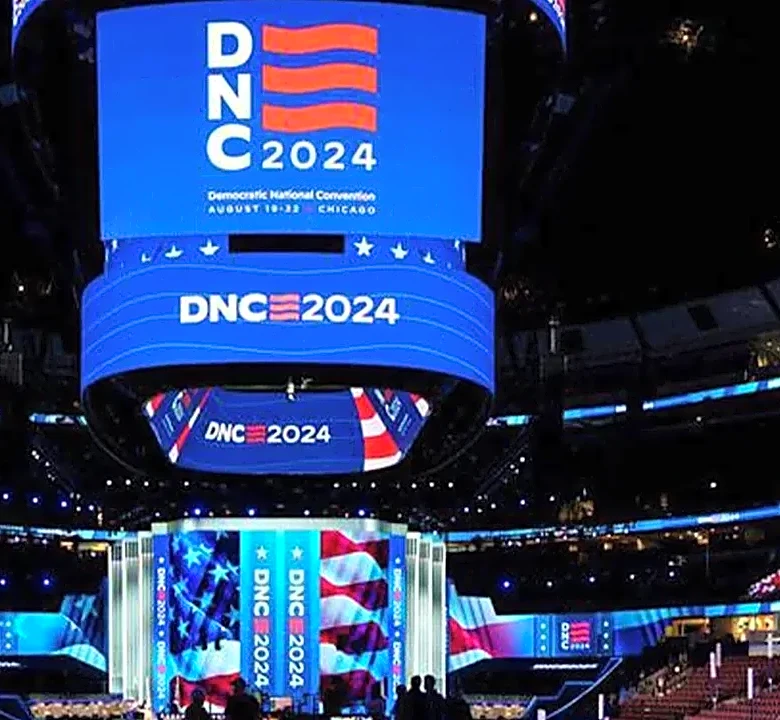
Finally, none of this is an accident. Convention halls are designed to foster these exact moments. The tightly packed seats, the massive screens that dominate your field of vision, the booming sound systems, and the carefully timed reveals are all engineered to focus the crowd's attention and maximize emotional response. Organizers understand the psychology of crowd dynamics and use it to create unforgettable experiences. By creating a space that limits outside distraction and heightens sensory input, they create a perfect incubator for emotional contagion and deindividuation. The very architecture of the event is a co-conspirator in making you feel things more deeply. The crowdedness isn't a bug; it's a feature.