





The Unofficial Fashion Show
For decades, the NFL and NBA drafts have doubled as a red carpet. It’s the first moment a college star formally introduces himself to the world as a professional, and the pressure to make a visual statement is immense. We’ve seen it all. In 2016, the Cowboys’
Ezekiel Elliott walked the carpet in a crop-top tuxedo, a nod to his signature collegiate look. In 1996, NBA star Steve Nash arrived in a double-breasted white suit that looked borrowed from a Miami Vice costume department. From Jalen Rose’s iconic red pinstripes to LaMelo Ball’s neon-yellow showstopper, the message is often loud: 'Look at me.' The suit becomes an extension of a player’s personal brand—flashy, confident, and ready for the spotlight. It’s an understandable impulse. For players who have worked their entire lives for this one moment, standing out feels like the entire point.
A Statement of 'I Belong'
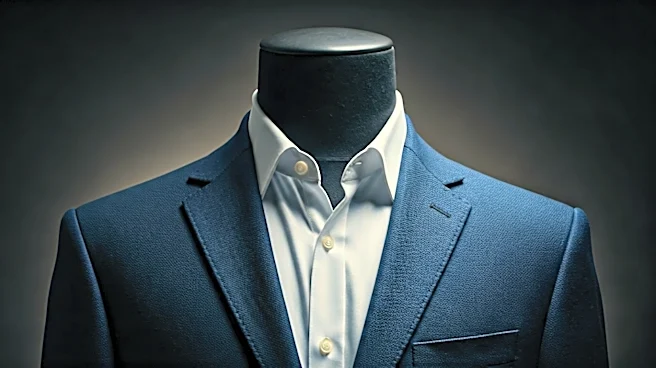
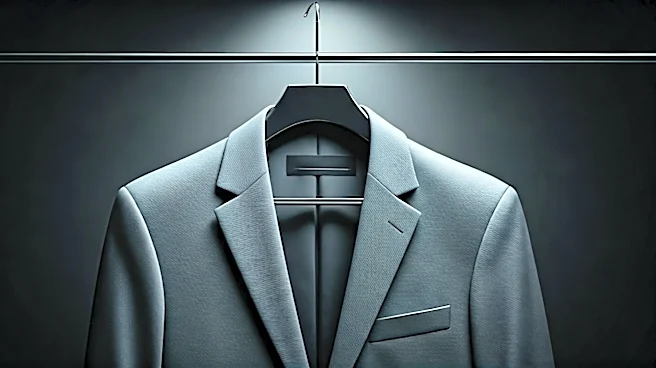
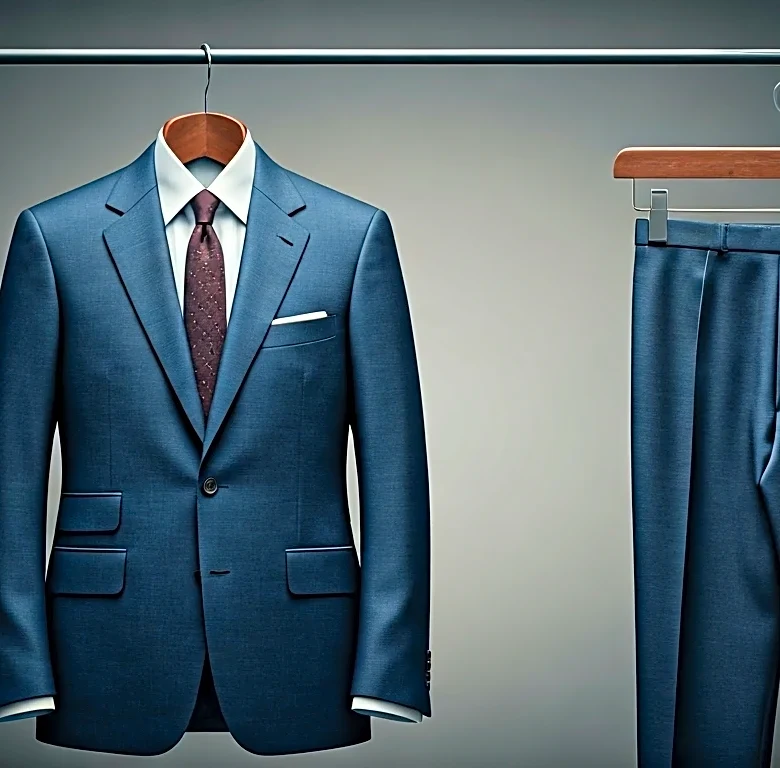
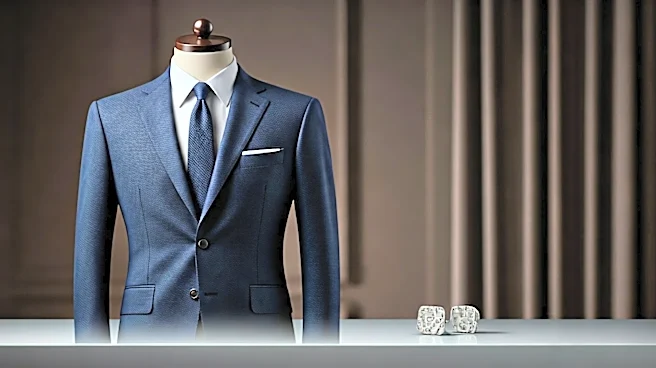
Then there’s the countermove. A simple, impeccably tailored suit in charcoal gray, navy, or classic black. No gimmicks, no wild linings, no oversized jewelry. It’s a choice that can be misinterpreted as boring or uninspired, but in reality, it’s one of the most calculated and powerful statements a prospect can make. This isn't a failure of imagination; it's a declaration of intent. The message is not 'I'm trying to get noticed,' but rather, 'I'm already here.' It’s the sartorial equivalent of a veteran who doesn't need to celebrate a first down. At the 2023 NFL Draft, quarterback C.J. Stroud arrived in a clean, dark suit. It was understated, sharp, and professional. In a pre-draft process where his readiness was questioned, the suit reinforced his persona: mature, serious, and focused on the job. The look bypassed the 'look at me' phase and jumped straight to 'I’m your franchise leader.'
Dressing for the Job You Have
The psychology is simple and effective. A quiet suit tells a prospective front office that you understand the stakes. You’re not just joining a team; you’re joining a multi-billion-dollar corporation that is about to invest millions in you. You’re dressing for the job you now have, not the one you were trying to get. It telegraphs a 'team-first' mentality over a 'brand-first' one. The archetype for this is NBA legend Tim Duncan. For the 1997 draft, he famously wore an oversized, ill-fitting khaki shirt and slacks. While not a bespoke suit, the spirit was the same: a complete and total indifference to the pageantry. His focus was on basketball, not fashion. It set the tone for a career defined by quiet, fundamental dominance. A well-fitted gray suit is the modern, polished version of that same ethos. It says, 'The flash will come from my performance, not my outfit.'
Reading the Room
Of course, context matters. A flashy suit can absolutely work for a player whose on-field identity is built on flair and personality. A star wide receiver or a high-flying guard known for their dazzling style of play can align their draft-night look with their brand. Nobody expected Deion Sanders to show up in banker’s gray. For them, the boldness is authentic. But for a quarterback, an offensive lineman, a center, or any player expected to be a foundational, stoic leader, the understated approach can be more reassuring to the organization cutting the check. It demonstrates an understanding of their role. They aren't the solo artist; they're the conductor. The quiet suit isn't about hiding; it's about choosing what to emphasize. It puts the focus squarely on the player’s potential as a professional, not their potential as a celebrity.