


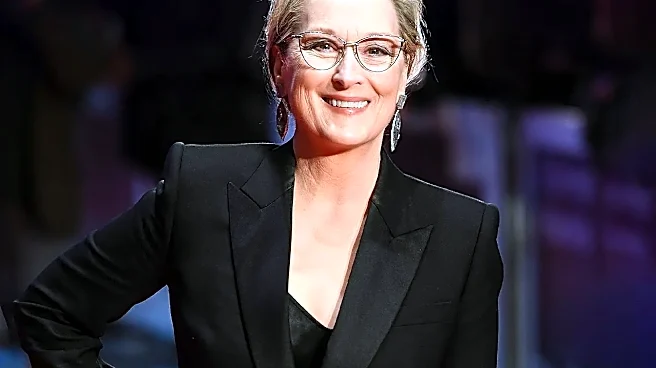
The Gerwig Touch
To understand why Gerwig’s venture into fantasy is so compelling, you first have to appreciate her distinct brand of filmmaking. Gerwig’s movies are, above all, deeply human. She specializes in the beautiful, awkward, and often painful mess of growing
up and finding your place. In 'Lady Bird,' it was the turbulent love between a mother and daughter. In 'Little Women,' she took a 150-year-old classic and made the March sisters’ ambitions and squabbles feel immediate and real. Even in the candy-colored 'Barbie,' the film’s emotional core wasn’t the plastic perfection but the poignant, often hilarious, struggle with human imperfection. Her characters are flawed, earnest, and relatable; they talk over each other, make questionable choices, and love each other fiercely. This focus on intimate, authentic emotion is her superpower.
Narnia’s Grand, Allegorical Design
Then there’s Narnia. C.S. Lewis’s seven-book series is a titan of children’s literature, a world built on a scale that is cosmic, mythological, and profoundly theological. It’s a land of talking beasts, epic battles between good and evil, and a creation story. At its heart, Narnia is a Christian allegory. The lion Aslan is not just a king but a Christ-figure who sacrifices himself and is resurrected. The stakes are not just personal but eternal. Past adaptations have leaned into this epic quality, focusing on the spectacle of battle and the grandeur of the world. While beloved, the child protagonists—the Pevensies, Eustace Scrubb, Jill Pole—can sometimes feel more like archetypes on a spiritual journey than messy, complicated kids who’ve been ripped from their world and thrown into a magical war.
The Untapped Humanity of the Pevensies
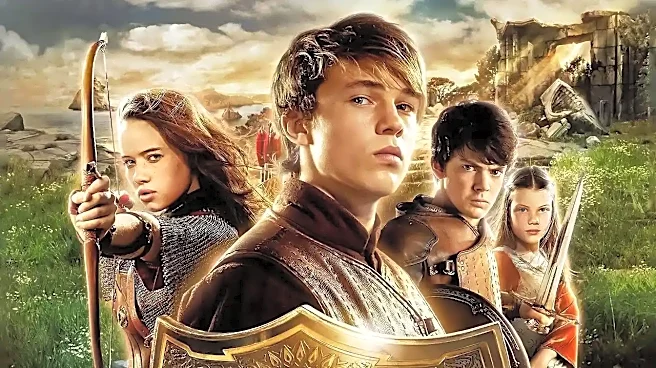
This is precisely where Gerwig’s human warmth becomes so vital. Imagine a Narnia where the relationship between the four Pevensie siblings is given the same depth and nuance as the March sisters. We could see the genuine friction and loyalty born from being wartime evacuees, making their reactions to a magical world feel more grounded. What does it truly feel like for Lucy to be disbelieved by her siblings? How does Edmund’s betrayal stem not just from a desire for Turkish Delight, but from a deeper-seated feeling of being overlooked? Gerwig’s talent lies in exploring these internal landscapes. She can make us feel the awe, fear, and sibling rivalry of the children with a new intensity, making their eventual rise as kings and queens of Narnia feel earned, not just prophesied. It’s an opportunity to flesh out characters who, especially in later books, can feel distant.
A Bridge Between the Cosmic and the Personal
Hiring Gerwig isn’t about replacing Narnia’s cosmic and allegorical core with simple melodrama. It’s about building a stronger bridge to it. For a modern audience, the heavy Christian symbolism can sometimes be a barrier. But Gerwig’s genius is in making grand ideas accessible through personal stories. We cared about the takedown of patriarchy in 'Barbie' because we first cared about Barbie’s existential crisis. Similarly, we can connect more deeply with Narnia’s themes of faith, sacrifice, and redemption if we first have a powerful emotional connection to the children experiencing them. Her warmth doesn’t diminish the epic scale; it gives it a human heart. It ensures that we care about the soul of Narnia because we care about the souls of the children who have stumbled into it.