
1. Richard Quinn
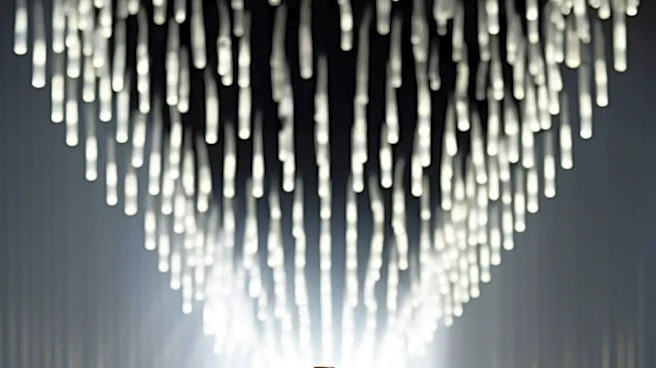
If Galliano is the master of historical drama, Richard Quinn is his heir apparent in the realm of opulent, almost cinematic glamour. Quinn’s shows are known for their theatricality, often featuring live orchestras and grand settings that recall old-school
couture presentations. He shares Galliano's love for the unapologetically bold, but translates it through a lens of hyper-modern florals and sculptural, hourglass silhouettes. Where Galliano might pull from 18th-century courtesans, Quinn finds drama in fetish gear fused with meticulously embellished gowns, creating a unique tension between softness and severity. His dedication to craftsmanship, statement eveningwear, and creating a tangible fantasy on the runway makes him a natural successor to the spirit of dramatic, high-impact fashion.
2. Harris Reed
Harris Reed embodies the performative and identity-driven aspects of Galliano's legacy. Describing the brand's DNA as "Romanticism Gone Nonbinary," Reed focuses on fluidity, conversation, and the transformative power of clothing. Much like Galliano's famous runway bows where he’d appear in full character, Reed understands that fashion is a form of performance art. The designs are recognizable for their huge, architectural silhouettes, flamboyant drapery, and exaggerated proportions that are designed to take up space. While still a student, Reed was already creating custom looks for stars like Harry Styles, showcasing a knack for dramatic, headline-grabbing pieces that challenge traditional norms. The work is less about historical reenactment and more about creating a new, inclusive form of opulent fantasy.
3. Simone Rocha
Simone Rocha offers a softer, more ethereal interpretation of Galliano's romanticism. Her work is steeped in a sense of history, but it’s a hazy, dreamlike version filtered through a lens of subversive femininity. Rocha shares Galliano's appreciation for historical uniforms and voluminous silhouettes, but she reinterprets them with pearls, delicate embroidery, and ethereal fabrics like tulle. Her collections create a narrative of modern womanhood that is both strong and fragile, blending classic romantic energy with contemporary strength. There is a narrative quality to her collections, often drawing on personal heritage and art, much like Galliano weaves stories into his shows. It's a quieter drama, but one rich with emotion and historical texture.
4. Thom Browne
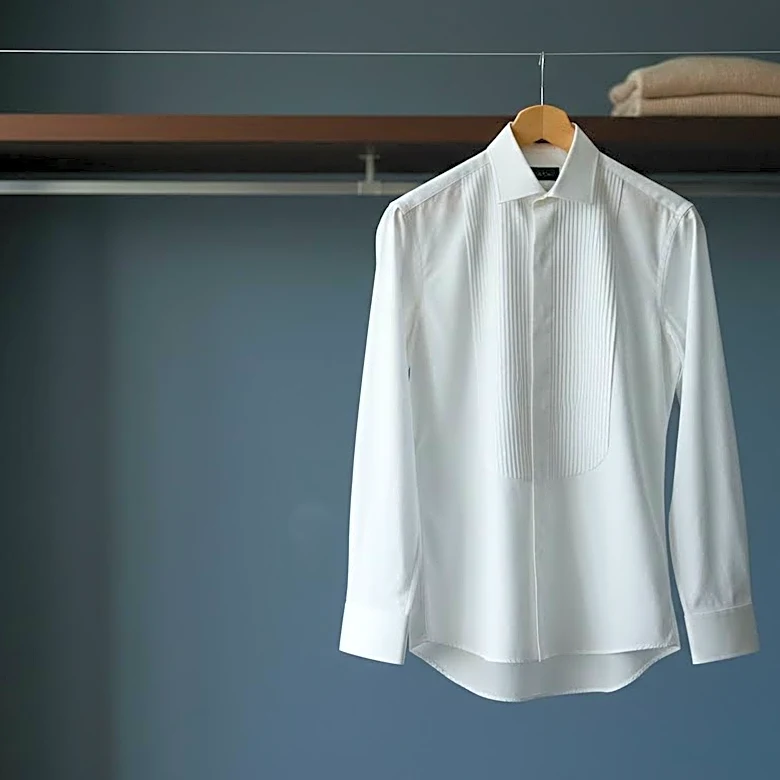
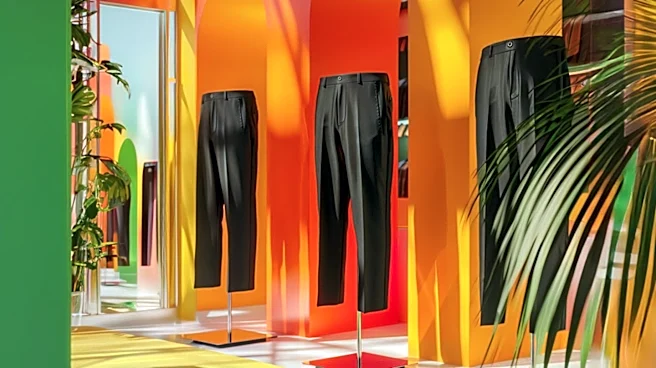
While Thom Browne’s aesthetic is rooted in a deconstructed take on suiting, his runway presentations are pure, unadulterated theater, rivaling the spectacle of Galliano’s most famous Dior shows. Browne creates entire worlds on the runway, complete with fantastical narratives, surreal sets, and characters that bring his collections to life. He shares Galliano’s commitment to storytelling, where the clothes are merely one part of a larger, immersive performance. The craftsmanship is impeccable and the silhouettes, while often based on classic tailoring, are pushed to absurd, avant-garde extremes. He proves that conceptual fashion and high drama are not limited to ballgowns, finding narrative power in the surreal transformation of the everyday.
5. Dilara Findikoglu
London-based designer Dilara Findikoglu channels the rebellious, gothic, and provocative side of Galliano's work. In fact, she interned under him at Maison Margiela. Her collections are a potent mix of historical references, particularly Victorian tailoring, with punk and occult symbolism. Findikoglu creates for characters she describes as warriors, romantics, and provocateurs, echoing Galliano’s own love for crafting entire personas through clothing. Her shows are ritualistic and cinematic, exploring themes of female empowerment and rage with an aesthetic that has been described as both beautiful and macabre. She captures the dark, boundary-pushing romanticism that has always been a key part of Galliano's allure.
6. Undercover by Jun Takahashi
Jun Takahashi’s Undercover embodies the “strange, but beautiful” mantra, a sentiment that resonates with Galliano's own avant-garde tendencies. The brand is known for its blend of streetwear, punk, and high-fashion craftsmanship, creating collections that are both surreal and deeply narrative. Takahashi often builds his shows around specific themes and cultural references, from films to historical subcultures, resulting in clothing that feels like part of a larger, slightly unsettling story. This approach—where fashion becomes a medium for commentary and world-building—is a clear parallel to Galliano's method. While the aesthetic is more street-inflected and less overtly opulent, the imaginative, and sometimes chaotic, spirit is very much aligned.
7. Noir Kei Ninomiya
A protégé of Comme des Garçons’ Rei Kawakubo, Kei Ninomiya creates pieces that are marvels of technical construction, often without conventional sewing. The connection to Galliano lies in the shared obsession with sculptural volume and avant-garde craftsmanship. Though Ninomiya's palette is primarily black, he uses materials like tulle, leather, and even metal links to build complex, three-dimensional forms that feel both armor-like and delicate. His shows are less about narrative storyline and more about the pure, dramatic impact of the silhouette. It’s a darker, more abstract form of fashion theater, but one that shares Galliano's love for pushing the boundaries of what a garment can be, transforming clothing into wearable sculpture.