



A Democracy of Jokes
The magic of a Broken Lizard group scene isn't happy-accident improv; it’s a meticulously democratic process. The five members—Jay Chandrasekhar, Kevin Heffernan, Steve Lemme, Paul Soter, and Erik Stolhanske—have a long-standing method for writing their
films. After outlining a story, they often write sections individually or in pairs before bringing it to the group. Then, every single joke is put to a vote. This collaborative gauntlet is core to their identity. Paul Soter has said that a movie doesn't feel like a Broken Lizard film unless it has the sense of them all trying to make each other laugh. This process filters out individual ego and ensures that what remains is the material that works for the collective. It’s why their banter feels less like a series of one-liners and more like an overlapping, five-way conversation where everyone is trying to get the next laugh. For Super Troopers 2, they reportedly wrote 35 drafts to get it right.
The Five Pillars of Personality
While they are all equals in the writers' room, on-screen they settle into familiar, complementary comedic archetypes. Chandrasekhar often plays the de facto leader with a mischievous streak (Thorny). Heffernan is the abrasive, id-driven loudmouth you love to hate (Farva). Lemme is the cocky, handsome wildcard who will do anything for a bit (Mac). Soter frequently serves as the slightly more grounded, observational straight man (Foster). And Stolhanske shines as the earnest, often naive rookie of the group (Rabbit). These roles aren't rigid, but they provide a reliable foundation for comedic conflict and interplay. You always know Farva will escalate things, Rabbit will misunderstand, and Thorny will try to rein them in just enough to avoid getting fired. This consistency allows the audience to feel like they're in on the joke, anticipating how each character will react to a new, absurd situation.
An Authentic Rhythm of Friendship
The members of Broken Lizard have known each other since their college days at Colgate University. That decades-long friendship is the invisible scaffolding holding up every scene. Their on-screen ribbing feels authentic because, on some level, it is. The insults are sharp but rarely cruel, carrying the specific cadence of people who know exactly which buttons to push because they installed them. Watch any group scene: the dialogue overlaps, characters finish each other's thoughts, and a single stupid idea can ricochet around the room, gaining momentum until it becomes a full-blown, disastrous plan. This isn't just actors reciting lines; it's a finely tuned comedic orchestra built on years of shared history. It’s the difference between a band that just met and one that’s been touring in a van for 20 years.
The Secret Isn't the Uniform
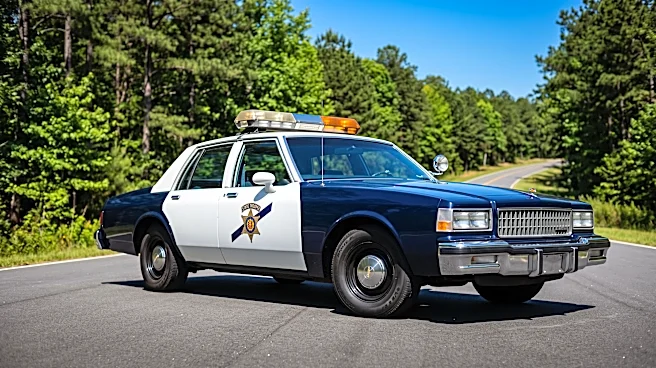
While they are forever linked to the highway patrol, this dynamic is the group's true signature, visible across their entire filmography. In Beerfest, the five-man team structure is repurposed for an international drinking competition. In Club Dread, it’s mapped onto the staff of a slasher-plagued island resort. In The Slammin' Salmon, they're waiters competing in a high-stakes, chaotic restaurant. Each film is an excuse to put their core dynamic into a new container and see what happens. The uniforms and settings change, but the comedic engine remains the same: a group of lovable idiots, bound by friendship, who are their own worst enemies and their only hope for success. This formula, honed over decades, is what fans truly connect with and what they've come to see again.