




The Economic Reality Check
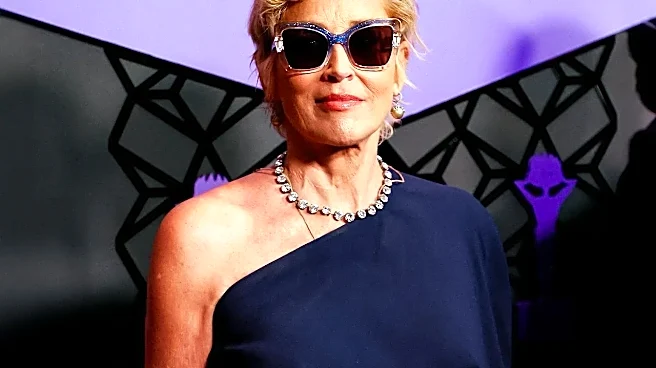
The fashion industry’s greatest blind spot is a mathematical one. Women over 50 are an economic powerhouse, controlling a staggering amount of wealth. In the U.S., they hold sway over what some estimates place at more than $15 trillion in spending power.
This group accounts for a massive portion of all consumer spending and influences the vast majority of household purchasing decisions. Yet, a laughably small fraction of advertising dollars—estimated between 3-10%—is aimed directly at them. Brands are chasing younger demographics while ignoring the generation with the most disposable income and proven brand loyalty. This isn’t just poor representation; it’s a colossal business failure. By treating women over 50 as an afterthought, the fashion industry is willingly leaving trillions of dollars on the table, overlooking a clientele that is actively looking to spend on quality, style, and brands that finally see them.
The Myth of 'Age-Appropriate' Dressing
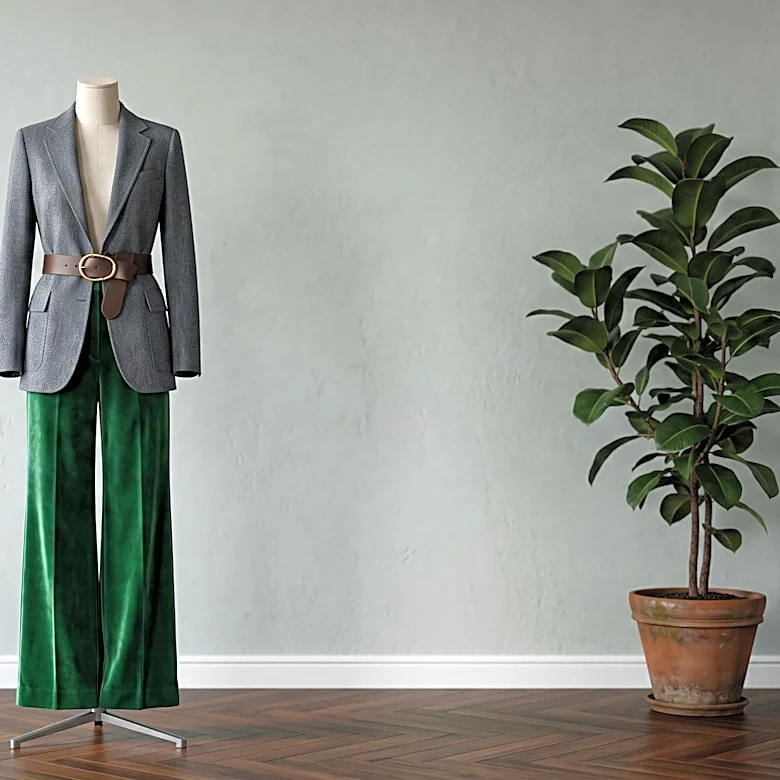
For decades, the concept of dressing "age-appropriately" has been used to police women's choices, suggesting that style has an expiration date. This outdated notion implies that after a certain birthday, hemlines must drop, colors must fade, and fun must be replaced with frump. This is especially true in the budget fashion space, where options can quickly become a sea of bland, boxy, and uninspired choices. But the modern woman in her 50s and beyond is rejecting these limitations. Style is a form of self-expression, not a reflection of a birth certificate. The idea that a woman who has spent decades honing her personal taste should suddenly abandon it for shapeless garments is absurd. True style is ageless, and women are proving it by mixing high and low fashion, rocking sneakers with dresses, and refusing to let strangers on the internet dictate what they can or cannot wear.
Fashion Media's Glaring Blind Spot
The fashion press is largely complicit in perpetuating this invisibility. Mainstream fashion media has traditionally been built on a foundation of youth and aspiration, which too often translates to 20-something models in clothes most viewers can't afford. This narrow focus creates a damaging cycle: women over 50 don't see themselves represented, so they feel alienated from the fashion world, and brands, in turn, justify their lack of investment by claiming the audience isn't there. While there has been progress in celebrating diversity in size and race, age remains fashion's final frontier of bias. The lack of older women on runways, in campaigns, and in editorial spreads sends a harmful message that they are no longer relevant to the cultural conversation around style. This neglect isn't just an oversight; it's a conscious choice that reinforces the damaging idea that a woman's value and visibility decline with age.
The Rise of Real Influence
Into the void left by traditional media, a new guard has emerged. Social media has empowered a wave of fashion influencers over 50 who are rewriting the rules on their own terms. Women like Grece Ghanem, Carla Rockmore, and Lyn Slater have amassed huge followings by showcasing authentic, sophisticated, and often budget-conscious style. Their audiences aren't just other women their age; younger generations are also drawn to their confidence and curated taste. These creators demonstrate what the mainstream industry has missed: a massive, engaged audience hungry for relatable and inspiring content. They partner with brands, launch their own collections, and prove daily that style is timeless. They are not just selling clothes; they are offering a more inclusive and realistic vision of what a stylish life can look like, proving that influence is about authenticity, not age.