






The Limits of the 'Tribute' Model
The current approach to Juneteenth on television is dominated by what can be called the “tribute” model. Think of the well-produced but solemn historical documentaries, the star-studded but formal concert specials, and the news segments that dutifully
explain the holiday’s origins. While valuable and necessary, this model has a built-in ceiling. It frames Juneteenth primarily as an object of historical remembrance, an annual obligation to be checked off the corporate diversity calendar. Tributes are, by their nature, backward-looking and temporary. They air once, maybe get a replay, and then vanish until next year. They educate, but they rarely build a world. They command respect, but they don't create the kind of deep, ongoing cultural engagement that turns viewers into fans.
What 'Franchise Thinking' Actually Means
When you hear “franchise,” you might think of caped crusaders or space wizards, and the commercialism that comes with them. But at its core, franchise thinking is about world-building. The Marvel Cinematic Universe isn’t just one movie; it’s an interconnected ecosystem of stories. You can have the epic seriousness of *Endgame*, the spy thriller tension of *The Winter Soldier*, and the high-school comedy of *Spider-Man: Homecoming*, all coexisting in the same universe. A franchise offers multiple entry points for different audiences. It creates a rich tapestry of characters, settings, and mythologies that viewers can invest in for the long haul. It’s not about cheapening the source material; it’s about exploring its every possible corner with creativity and ambition. This model transforms a single event into a sustainable, expansive cultural engine.
From Historical Event to Cultural Universe
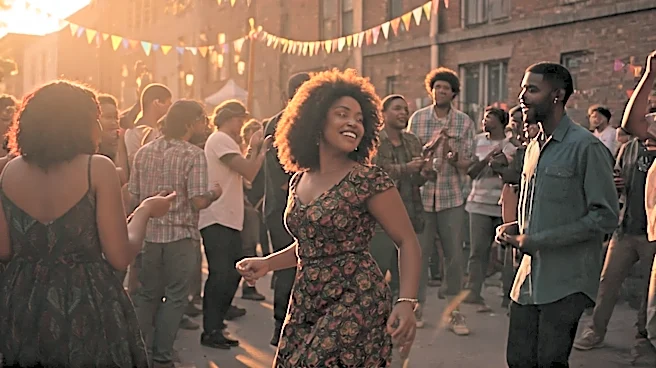
Now, apply this logic to Juneteenth. Instead of a single documentary about General Order No. 3, imagine a Juneteenth Cinematic Universe. This isn't about making light of history, but about bringing it to life in diverse and compelling formats. Picture a prestige, multi-season drama on HBO or FX following a family in Galveston, Texas, navigating the chaotic years after 1865. On the Food Network, a recurring competition series, *The Juneteenth Cookout*, could celebrate the rich culinary traditions of Black American families. For kids, an animated series could profile the heroes of emancipation. A contemporary sitcom could center on a modern family’s hilarious and heartfelt attempts to get their annual Juneteenth celebration right. Each piece of content would be distinct in tone and genre but thematically linked, creating a vibrant ecosystem of stories about freedom, resilience, and Black joy. This approach moves beyond just *what* happened and explores the ongoing, living legacy of it.
The Power of Commercial and Cultural Permanence
A franchise is not just a creative strategy; it’s a business model that ensures permanence. One-off tributes are often budget line items, vulnerable to cuts. A successful franchise, however, generates its own momentum and revenue. It creates sustained jobs for Black writers, directors, actors, and crew, not just for a few weeks in May. It builds a year-round presence for Black stories on screen, ensuring they are part of the mainstream cultural conversation, not just a segregated part of the calendar. By making Juneteenth programming commercially viable, we give it power. We turn it from something networks feel they *have* to do into something they *want* to do because it connects with a loyal, engaged, and profitable audience. It’s the difference between building a temporary monument and planting a forest that grows, spreads, and seeds new life for generations.