



Demystifying the 'Gauge'
In the simplest terms, knit gauge is a measure of density. It’s the number of stitches packed into one inch of knitted fabric. Though it sounds like a technical term for knitting hobbyists, it’s the single most important factor determining a sweater’s
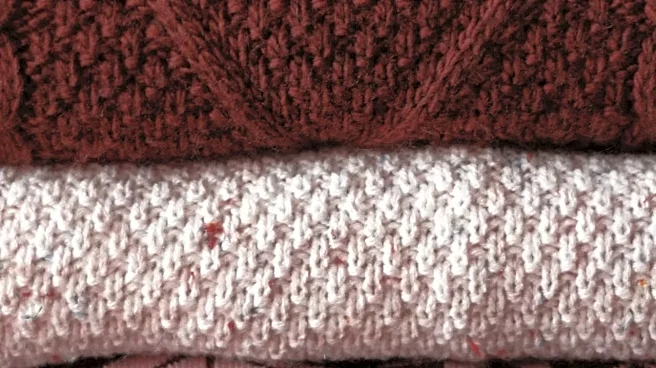
character. A high gauge number means more stitches are squeezed into each inch, creating a fine, smooth, and lightweight fabric. Think of a dressy merino wool turtleneck. Conversely, a low gauge number means fewer, larger stitches per inch, resulting in the thick, textured, and chunky knit of a classic fisherman sweater. This number dictates everything: a garment's weight, warmth, drape, and, most importantly, how you can wear it.
The Tale of Two Sweaters
Imagine two sweaters, both made of wool. One is a 'fine-gauge' knit, likely a 12-gauge or higher. This means the yarn used is thin, and the stitches are small and tight. The resulting fabric is smooth, has a slight sheen, and drapes fluidly over the body. It feels more like a substantial long-sleeved tee than a heavy sweater. Now, picture a 'low-gauge' or 'chunky' knit. This might be a 3-gauge or 5-gauge knit. The yarn is thick, the stitches are large and visibly textured, and the fabric has more structure and volume. It’s built for presence and warmth, standing away from the body rather than clinging to it. Neither is inherently better, but they perform completely different jobs in your wardrobe.
Gauge in Action: Layering and Warmth
This is where understanding gauge pays off. Fine-gauge knits are the undisputed champions of layering. Their thin profile allows them to slide effortlessly under a blazer, denim jacket, or even another sweater without adding bulk. They function as sophisticated base or middle layers, providing warmth without puffiness. A high-gauge cashmere or merino sweater can offer significant insulation with minimal weight. Chunky, low-gauge knits, on the other hand, are designed to be a statement piece or an outer layer. Their thicker construction traps more air, which is the key to insulation, making them incredibly warm. However, their volume makes them resistant to being layered over. Trying to stuff a chunky knit under a fitted coat is a recipe for feeling constricted and uncomfortable.
A Field Guide for Smarter Shopping
You won’t find the gauge number on most clothing labels, but you can learn to spot the difference. When shopping in person, simply feel the fabric. Is it smooth and dense, with stitches so small they almost disappear? That’s a fine gauge. Can you easily see the individual loops and feel the thick, textured yarn? That’s a chunky, low-gauge knit. Online, look for descriptive keywords in the product title or details. Brands will often use terms like 'fine-gauge merino,' 'lightweight knit,' or 'ultra-fine' for their layering pieces. For bulkier sweaters, you'll see phrases like 'chunky knit,' 'heavyweight,' 'cable-knit,' or 'oversized knit.' Pay attention to how the sweater is styled on the model. If it's worn under a tailored jacket, it’s almost certainly a fine gauge. If it's the outermost layer, it’s likely a chunkier style.