
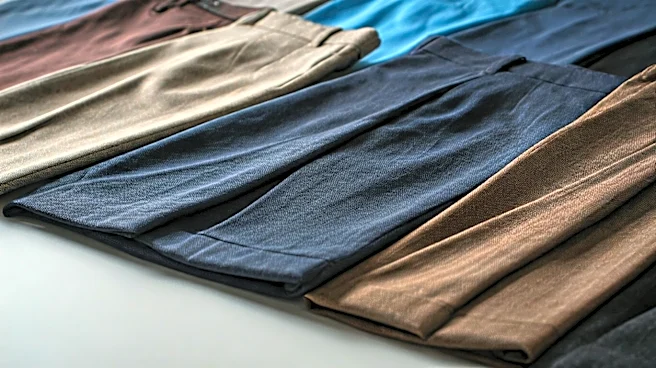


The New Power Suit: Office-Ready, Weather-Ready
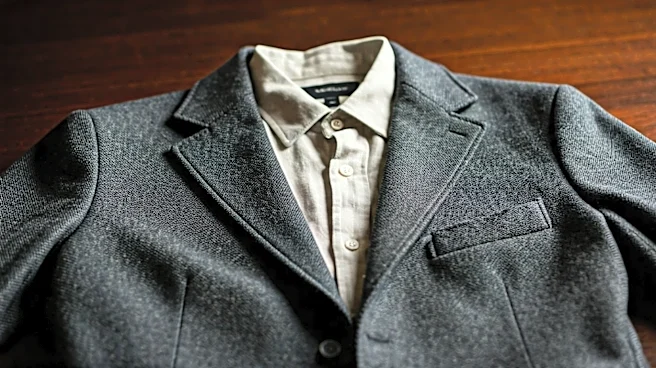
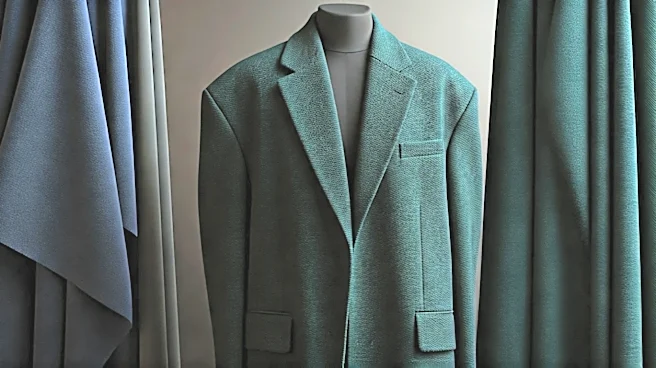
Across the runways in Paris and Milan, a new dress code is taking shape. It’s one where the clean lines of a tailored suit meet the practical, weatherproof world of technical apparel. [11, 13] Think of a classic wool overcoat, but upgraded with a waterproof
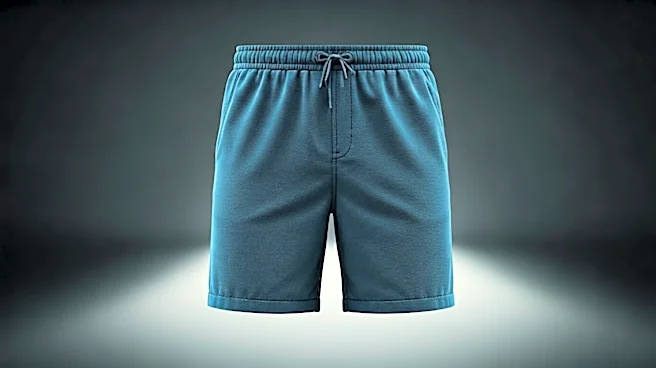
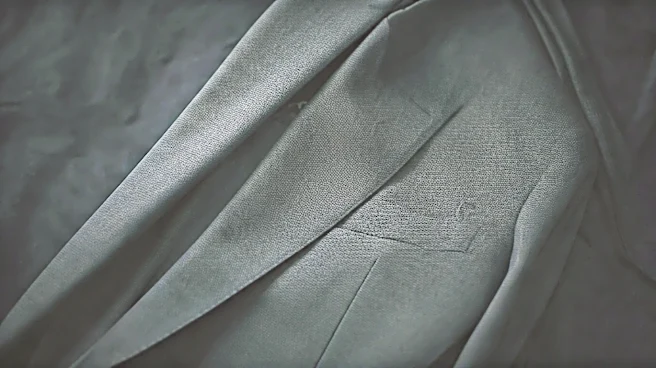
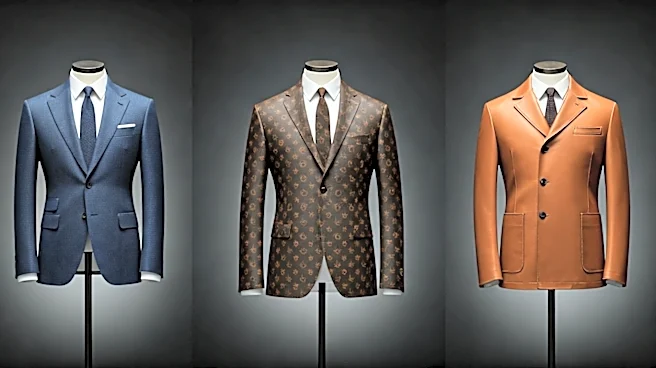
membrane, or tailored trousers cut from a fabric with four-way stretch that you’d typically find in performance gear. [22] Designers at houses like Dior and Louis Vuitton are making menswear more protective and performance-minded, upgrading heritage shapes with features like water-repellency and engineered comfort. [11, 13] This isn't about slapping a logo on a rain jacket; it’s a deeper fusion where tailoring provides the structure and authority, while technical fabrics add a layer of modern utility and ease. [8, 16]
From the Trail to the Boardroom
This trend didn't appear out of thin air. It’s the direct descendant of "gorpcore," a style movement that saw functional outdoor gear like puffer jackets and trail runners become high-fashion staples. [5, 6] Initially popularized by artists and subcultures, gorpcore was supercharged by the pandemic, as a collective turn towards outdoor activities made brands like The North Face and Arc'teryx everyday wear. [4, 6] Luxury houses took notice, leading to high-profile collaborations like Gucci x The North Face that officially moved technical gear into the high-fashion space. [2, 4] The current runway trend is the next logical step: after years of dressing for comfort and function, we're not willing to give it up. Instead, we're finding ways to integrate it into every part of our wardrobe, including the most formal ones. [8, 26]
A Wardrobe for Life in Motion
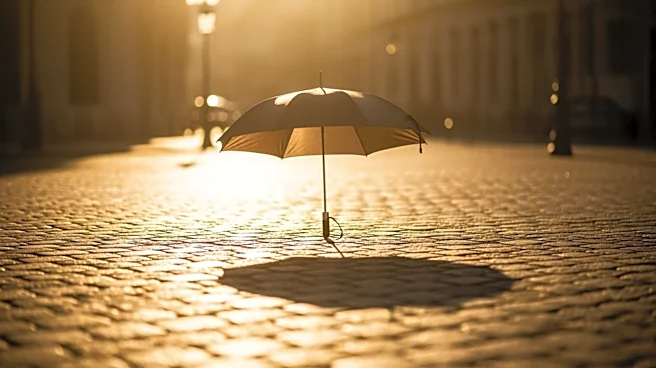
So, why does this matter? Because this high-low mix perfectly mirrors the reality of modern life. The rigid boundaries between work, leisure, and travel have dissolved. [26] Today’s professional needs to look polished for a meeting, but might also have to navigate a sudden downpour on their bike commute home. The new formula offers the best of both worlds: you no longer have to choose between looking good and feeling comfortable and prepared. [2] Fabrics are now expected to offer stretch, moisture-wicking capabilities, and wrinkle resistance, making a suit feel less like a uniform and more like a high-performance tool for a dynamic lifestyle. [22] This evolution is less a fleeting trend and more a permanent re-evaluation of what we expect our clothes to do for us. [17]
Redefining Luxury and Formality
Ultimately, the blend of technical fabrics and tailoring represents a new definition of luxury. It's a shift away from stiff, impractical garments toward clothing that is intelligent, versatile, and built to last. [12, 16] The value is no longer just in the name on the label, but in the thoughtful engineering of the garment itself—its ability to hold its shape, resist the elements, and move with the wearer. [10, 13] This approach rejects old-school dress codes that equated formality with discomfort. Instead, it proposes a new kind of elegance—one that is rooted in practicality, confidence, and the freedom to be ready for anything the day brings, without ever looking out of place.